Artificial Intelligence resume examples and guide
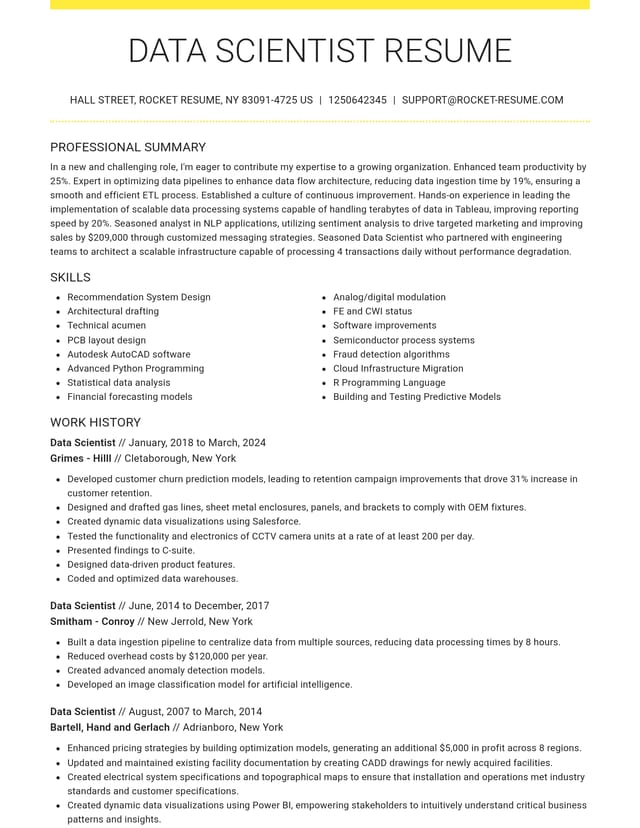
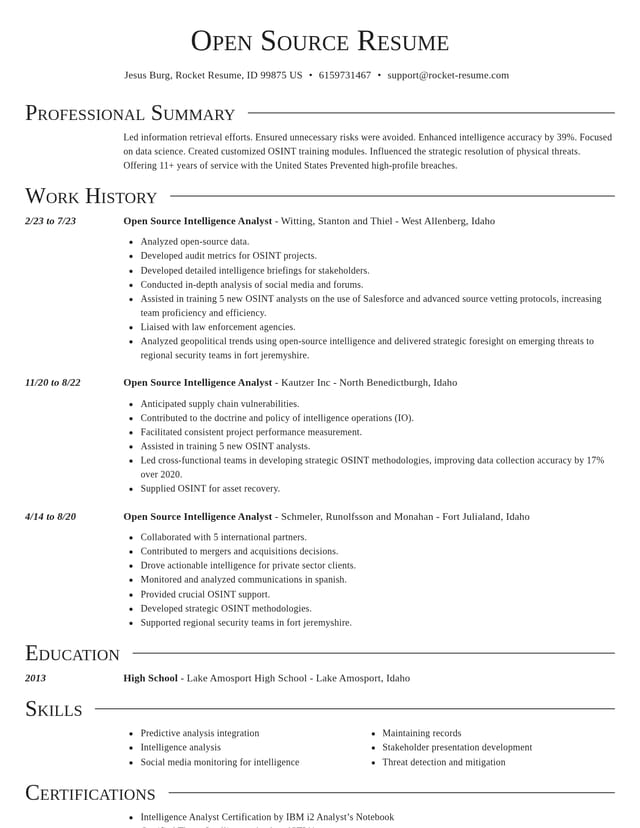
Data analyst, data engineer and OSINT resume examples, each built around cleaning records, building pipelines or verifying open sources.
- Resume examples for 10 artificial intelligence jobs
- Professional resume templates
- Easy editing as you go
from 4,000+ reviews


How to write a artificial intelligence resume
AI and data resumes come from machine learning and analytics teams at insurers, publishers, banks and software firms, from data engineering groups, and from intelligence and compliance work such as open source research and data remediation. Data scientists typically need a bachelor’s degree or higher, and some jobs require a master’s or doctoral degree. Analysts and interns can also get in on the strength of projects a hiring manager can open and check.
Analytical work is easy to describe and hard to prove, and data resumes slip on that difference:
- Your bullets describe models and dashboards but not the decision they changed.
- The skills line names each tool you’ve touched, with your strongest languages lost in it.
- Confidential client work seems impossible to describe without breaking an agreement.
- You’re applying without the analyst title, and your projects don’t read as experience.

Build each bullet from problem, method and result
Name the question, the technique, such as gradient boosting, A/B testing or time-series forecasting, and what the business did with your answer. A metric like area under the curve (AUC) means more beside that outcome, such as churn caught earlier. Compare the example resumes for AI and data jobs as you write.
A churn-model bullet might read:
“Built a Python churn model that flagged at-risk accounts three weeks sooner, handing retention 1,100 ranked accounts a month”
Build My Artificial Intelligence ResumePick the project whose result you can state most plainly and write that bullet first. Open the builder, look up data analyst or a nearby title, and rework the closest suggestion so it names the question, the technique and the decision your answer changed.
Group tools by purpose, strongest first
Python, SQL and R head the Labor Department’s hot technologies for data scientists, so put your strongest languages first, then data platforms, cloud services and visualization tools. The question on where SQL goes covers dialects and a sample bullet.
Keep a tool off the list if you couldn’t explain how you used it, and start from the skills suggestions among the phrases for each title.
Your tool list is easier to sort when you have suggestions to react to. On the builder’s skills step, search a title such as machine learning engineer, keep the languages and platforms you could walk an interviewer through, and leave the rest off.
Describe confidential work by sector and scale
Leave out client names and data, and describe the work by sector, scale and outcome, such as a regional insurer’s policy book or a retailer’s daily sales feed. Open source intelligence (OSINT) analysts handle sensitive briefs the same way, as the question on OSINT resumes notes. Choose a template and list projects apart from client work.
Build My Artificial Intelligence ResumeConfidential work can be described honestly without naming the client, so there is no reason to hold off. In the builder, give each role its own work history entry and write its description around sector and scale, such as a hospital network’s claims data, with client names and records left out.
Let projects stand in for the missing title
Give your degree, field and any thesis built on real data, and link a GitHub profile or portfolio with one or two documented projects. The question on entry-level analyst resumes covers the rest, and your job title’s page has examples for that first role.
Pivoting from finance, research or engineering? Your old field is in the list of industries, and the career advice is worth saving for the week before a technical screen.
Build My Artificial Intelligence ResumeA documented project can carry an application while the analyst title is still ahead of you, so get it onto the page now. In the builder, put your thesis and a public GitHub project in Additional Information, where each entry reads exactly as you typed it.
How Rocket Resume helps
Rocket Resume’s builder makes room for the proof a data reviewer looks for:
- Work without impact. Examples you pick stay editable, so each can gain the decision your model fed.
- An unsorted skills line. Search a title such as data engineer intern on the skills step, then keep the tools you could explain in detail.
- Confidential clients. Each role is its own entry, and its description can name the sector instead of the client.
- No analyst title yet. Optional Accomplishments and Additional Information sections can hold a thesis or public project beside your jobs.
Four builder steps carry an analytics resume from a blank page to a finished one:
- Pick a layout with room. Choose a template with space for jobs and projects, and the preview beside you shows the resume as it fills.
- Describe roles by sector. Give each role its own entry, and let the description name the sector and scale where a client must stay private.
- Search a data title. Search a title such as business intelligence analyst, then keep and edit the suggested tools you have used on real data.
- Add your thesis and projects. List a thesis or public GitHub project in Additional Information, and the wording stays just as you set it down.
Where on a data resume should SQL appear?
In your skills line, pair SQL with the database you wrote it for, such as PostgreSQL, SQL Server or BigQuery, because their dialects differ. Then prove it in a bullet that says what you queried, how much data it covered and what the output fed.
For example: "Rewrote the weekly orders query with window functions over a 40-million-row table, cutting run time from 25 minutes to 3 and feeding the sales dashboard." Tuning slow queries, building views that other teams read from and writing data checks each deserve a bullet of their own.
What goes on an entry-level data analyst resume before your first analyst job?
Start with analysis you've already done without the title. A spreadsheet that tracked store inventory, a report you built for a manager or a class project on public data all count. List each one under Projects, or inside the job where it happened, with what it tracked, the tool you built it in and who used it.
Keep the skills line short and honest: languages, business intelligence (BI) tools and spreadsheets, plus any course certificate with its issuer and month. A Data Analyst resume gets stronger with one public piece a hiring manager can open, like a dashboard or a notebook with a short write-up.
How does an open source intelligence (OSINT) analyst prove their work on a resume?
An Open Source Intelligence Analyst resume should open with the questions you answered and for whom: threat assessments for a security team, due diligence on companies or tracking of disinformation. Then name your collection areas, such as social media, corporate registries, court records or satellite imagery, plus the languages you read and the tools you use.
Show how you checked what you found, for example by geolocating a photo or tracing a claim to its first post. Then give your output: briefs per week, alerts sent and the decisions they informed. Public sources don't make a client's findings public, so describe sensitive work by sector.
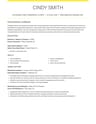
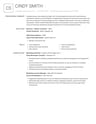
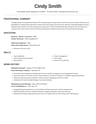
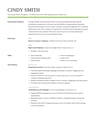
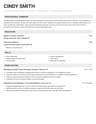
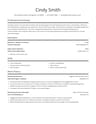
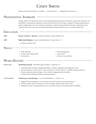
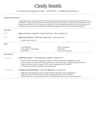
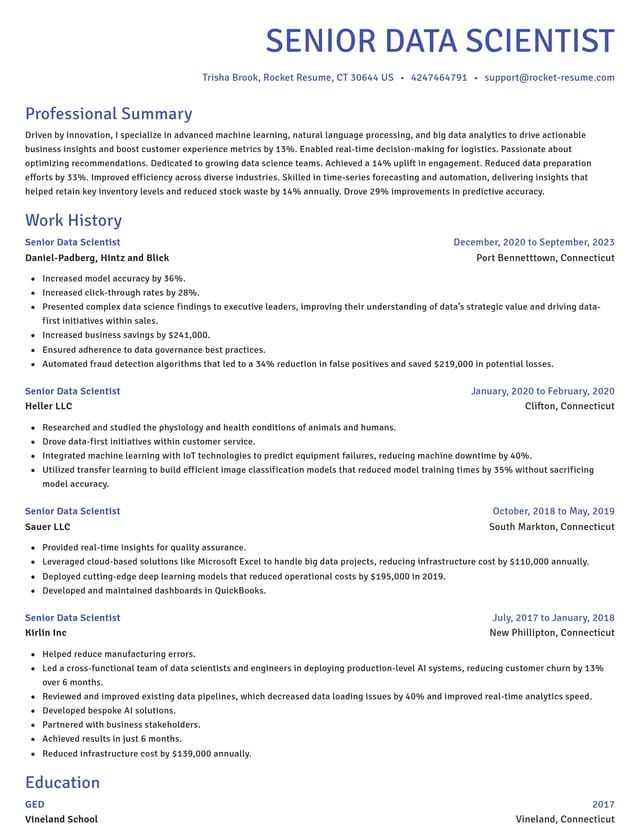
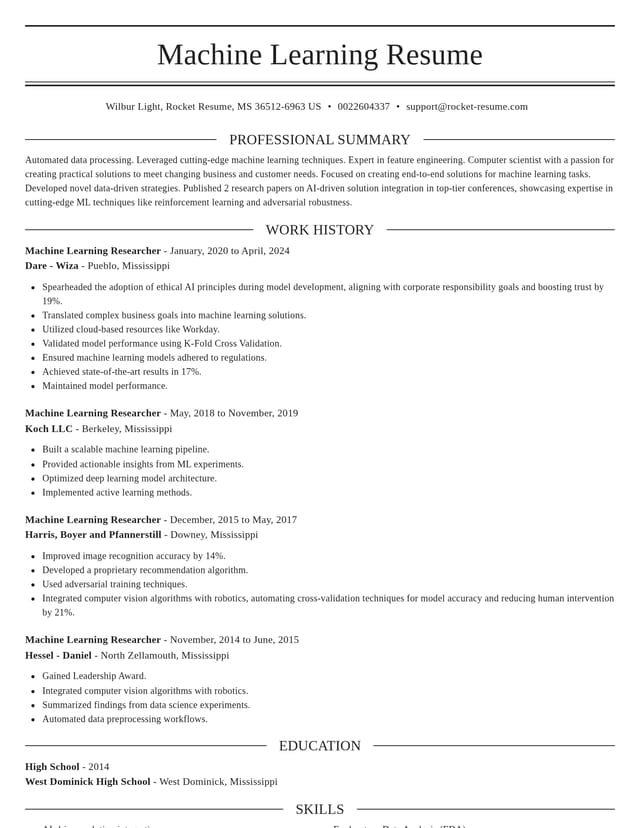
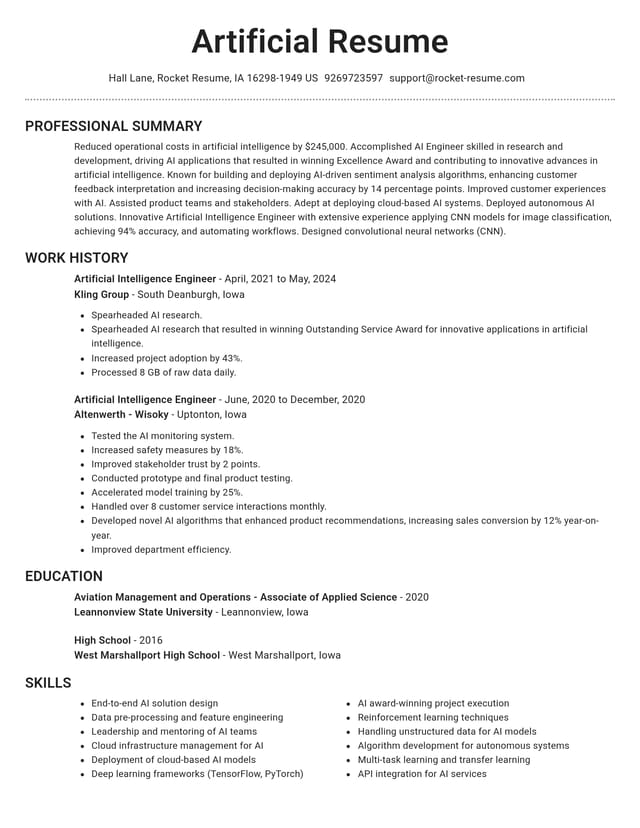
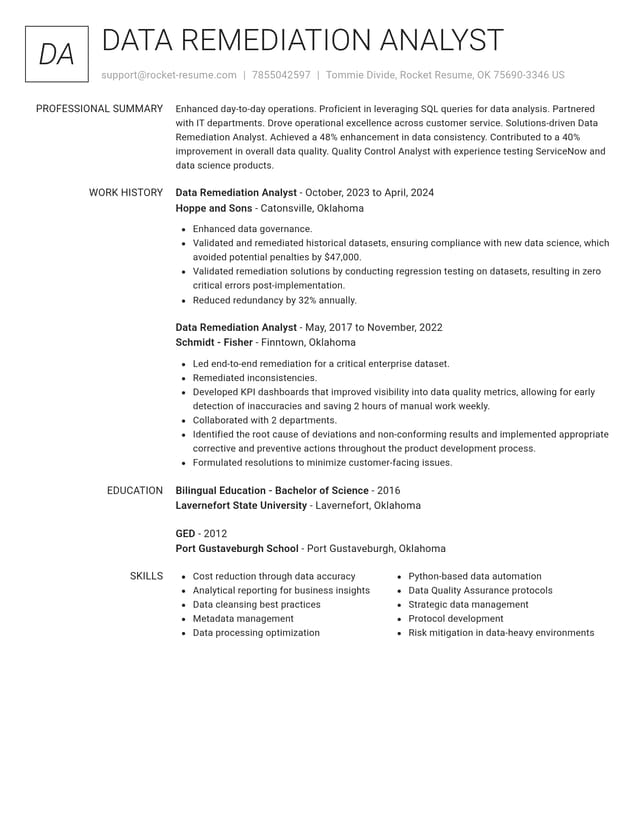
Artificial Intelligence resume examples
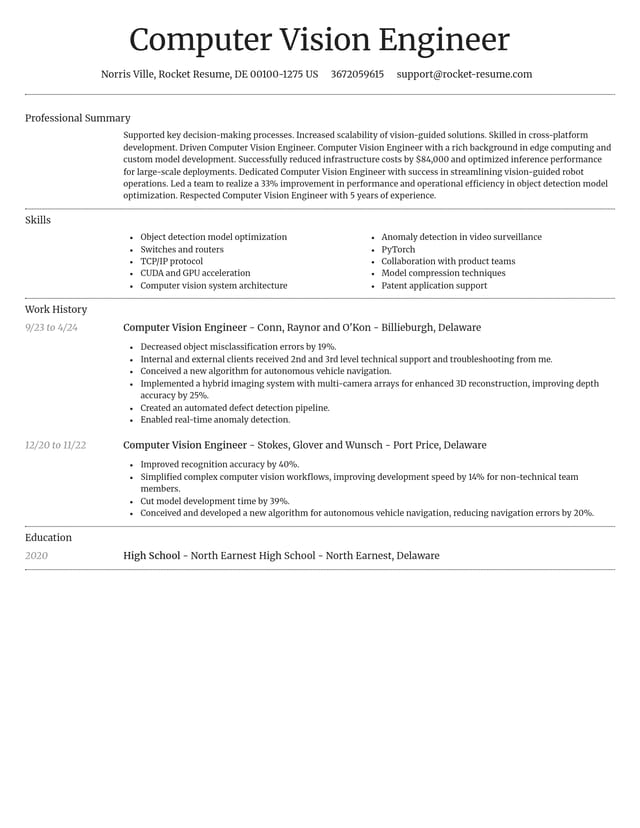
Computer Vision Engineer resume example
More Computer Vision Engineer resume examplesArtificial Intelligence jobs: examples, templates and guides
10 jobs- Computer Vision Engineer
Examples
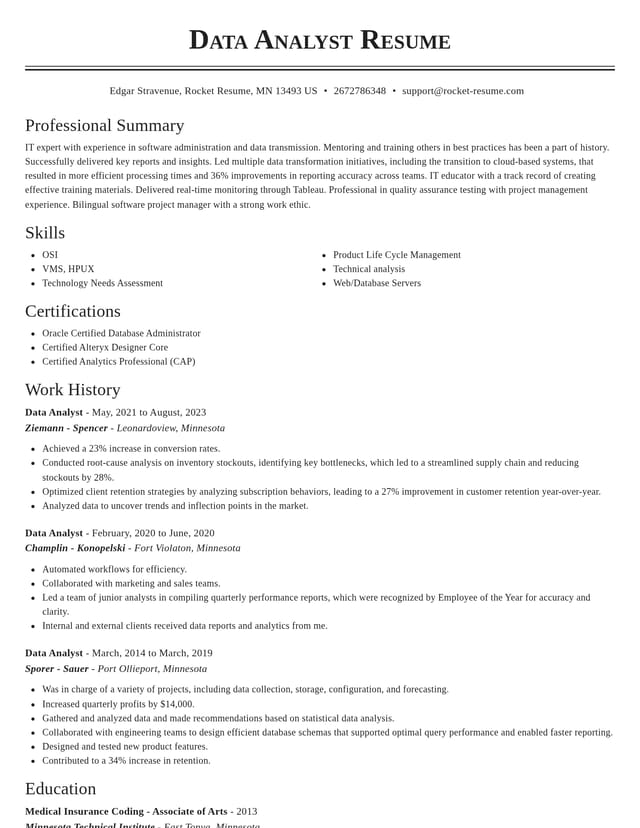
- Data Analyst
Templates
Open with a report or dashboard people used each week, its audience and the tool behind it.
- Data Engineer Intern
Resume
Show one pipeline: its sources, the orchestration tool, rows moved per run and the tests you added.
- Data Remediation Analyst
Guides
Records corrected, the data-quality rule they broke and the audit or regulation behind the fix.
- Data Scientist
Templates
- Machine Learning Researcher
Examples
Collection sources and languages first, then briefs delivered and how you verified them.
- Senior Data Scientist
Templates
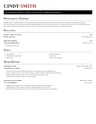
Artificial Intelligence resume skills, summaries and bullet points
Showing 12 of 40
Skills
Collaboration with product teams
Deep learning algorithm development
Summaries
Adept Computer Vision Engineer.
Collaborative Computer Vision Engineer.
Work experience
Achieved a model performance increase of 20%.
Collaborated with cross-functional teams in Chicago to design AI algorithms with a 99% accuracy rate for predictive analytics.
Accomplishments
Spearheaded the machine learning workflow automation, increasing efficiency of model retraining cycles by 20% in a large-scale deployment.
Collaborated with cross-functional teams to integrate an AI recommendation engine, driving a 34% increase in product views for an Artificial Intelligence e-commerce platform.
Skills
Machine learning-ready dataset development
Automated Data Validation
Summaries
Collaborated across 8 departments.
Collaborated across 2 departments to optimize data workflows, achieving a 30% reduction in query runtimes and improving overall data performance.
Work experience
Figure out what's causing the yield problems.
Created a control system for a three-phase electric motor.
Accomplishments
Developed prescriptive analytics to guide business decisions, leading to operational cost savings of 8 annually through optimized resource allocation.
Implemented a feature selection process that reduced model complexity and improved model accuracy by 37% across various predictive algorithms.
Skills
Analytical reporting for business insights
Data audits and quality control
Summaries
Contributed to a Outstanding Service Award.
Adept at mitigating critical data inaccuracies.
Work experience
Prepare weekly management reports on the number of orders, products, and shipments that were successfully delivered.
Was in charge of multiple reporting platforms that were critical to lab operations.
Accomplishments
Developed and launched an interactive Tableau dashboard, enabling real-time access to KPIs for key stakeholders, improving data-driven decision-making.
Established data visualization standards that ensured consistency across 9 projects and enabled faster comprehension of trends by senior leadership.
Skills
Collaboration with industry-academic partnerships
Hyperparameter tuning and optimization
Summaries
Conducted ablation studies for novel model architectures.
Achieved effective AI integration.
Work experience
Architected secure data environments.
Applied advanced statistical techniques to A/B testing, optimizing efficiency of marketing efforts and improving 59% by 33%.
Accomplishments
Optimized existing AI workflows to reduce complexity, cutting model deployment time by 67% on average.
Implemented big data analytics solutions for customer segmentation using QuickBooks, which led to a 79% increase in targeted marketing ROI.
Skills
Intelligence briefing creation
False positive reduction in threat reporting
Summaries
Accurately predicted emerging threats.
Advanced Asana skills and a strong ability to learn new software and processes.
Work experience
Achieved a 21% improvement in recommendation accuracy.
Designed, implemented, and evaluated new models and rapid software prototypes to solve problems in machine learning and systems engineering.
Accomplishments
Designed a recommendation system that improved customer engagement in Artificial Intelligence by 34% within several months.
Deployed an attention mechanism to improve sequence-to-sequence models, increasing predictive performance by 27%.
Resume guides and career advice

Updated Oct 28, 2026
How to structure a data analyst resume section by section, quantify results with the X-Y-Z formula, pass ATS scans, and present SQL, Python, Tableau, and Power BI skills with certifications.

Seven tips for an entry-level business analyst resume, covering domain focus, software like ERP and CRM tools, SQL and Excel skills, ATS keywords, certifications, and boot camps.

Updated Jul 10, 2026
Starting salary expectations for 2026 computer engineering graduates, the hardware and software skills employers want, hiring sectors from defense to startups, and paths to specialization.

Updated Oct 17, 2026
Before you write, pull together your job dates, results, education and the posting for the job you want. Fill in your contact details, work history, education and skills in that order, building each bullet from an action verb and a result. Write the summary last, even though it goes at the top, then tailor the resume to the job and proofread it before you apply. The same steps work for a first resume, with school, volunteering and part-time work counting as experience.


Explore other industries
Related to Artificial Intelligence
 7 examples
Microbiologist · Research Scientist · Biotechnologist



All 45 industries
This page’s industryRelated to Artificial Intelligence
- Aerospace & Defense, 8 examples
- Agriculture, 23 examples
- Apparel & Textiles, 13 examples
- Architecture, 15 examples
- Artificial Intelligence, this page’s industry, 10 examples
- Arts & Entertainment, 24 examples
- Automotive, 21 examples
- Beauty & Personal Care, 17 examples
- Biotechnology & Life Sciences, related industry, 7 examples
- Business Services, 31 examples
- Chemical Engineering, 4 examples
- Construction, 107 examples
- Creative, 15 examples
- Education, 99 examples
- Energy, 40 examples
- Environmental Science, 5 examples
- Finance, 66 examples
- Food & Beverage, 68 examples
- Government, 48 examples
- Healthcare, 162 examples
- Hospitality, 36 examples
- Human Resources, 18 examples
- Insurance, 10 examples
- Legal, 12 examples
- Logistics, 39 examples
- Manufacturing, 68 examples
- Marketing, 18 examples
- Media, 20 examples
- Military, 24 examples
- Mining & Metals, 9 examples
- Nonprofit, 8 examples
- Pharmaceuticals, 12 examples
- Public Relations, 10 examples
- Real Estate, 7 examples
- Retail, 39 examples
- Robotics, related industry, 11 examples
- Security Services, 18 examples
- Social Services & Counseling, 21 examples
- Social Work, 22 examples
- Sports & Fitness, 96 examples
- Technology, related industry, 66 examples
- Telecommunications, 6 examples
- Tourism & Travel, 8 examples
- Transportation, 38 examples
- Veterinary, 9 examples