Environmental Science resume examples for field and lab work
Field technicians, lab analysts, GIS analysts and consultants can show the samples they collected, the data they checked and the reports they helped write.
- Resume examples for 5 environmental science jobs
- Professional resume templates
- Easy editing as you go
How to write a environmental science resume
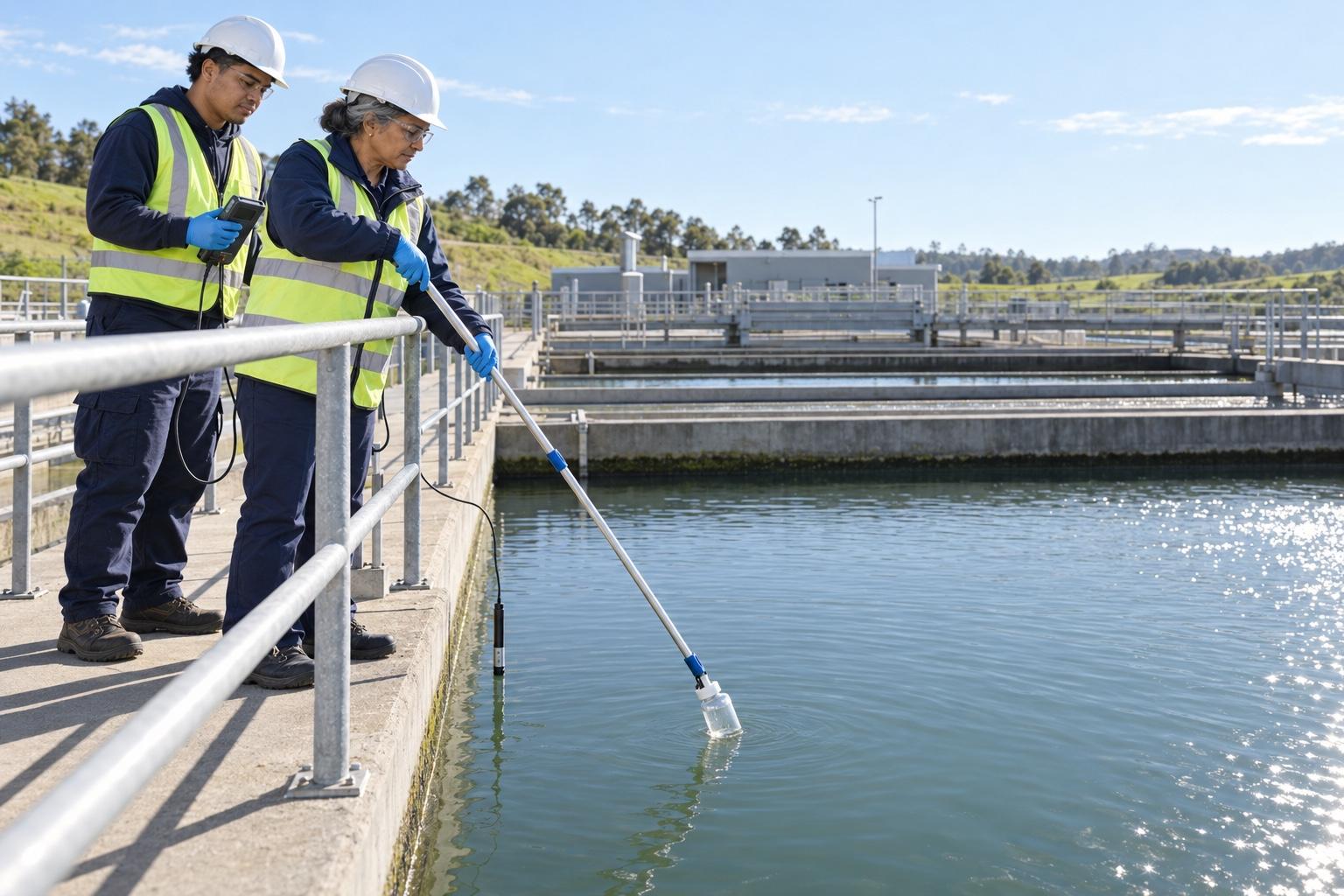
Employers want to see the question your work answered and the samples or data you handled. Name the setting, whether a stream survey, a soil lab or a site assessment, and explain what you added. A sampling program, a mapping task and a written report each need their own description. For a first job, coursework, field camp or an internship can help, as long as you separate methods you performed from topics you studied. Per the Bureau of Labor Statistics, environmental scientists collect data from samples of air, soil and water and write reports that explain their findings.
Consulting firms and agencies often pass over a field or lab resume when:
- The task has no site, question or purpose attached.
- Methods are named without the records or analysis you produced.
- Techniques from a class read as hands-on field experience.
Name the environmental work you want
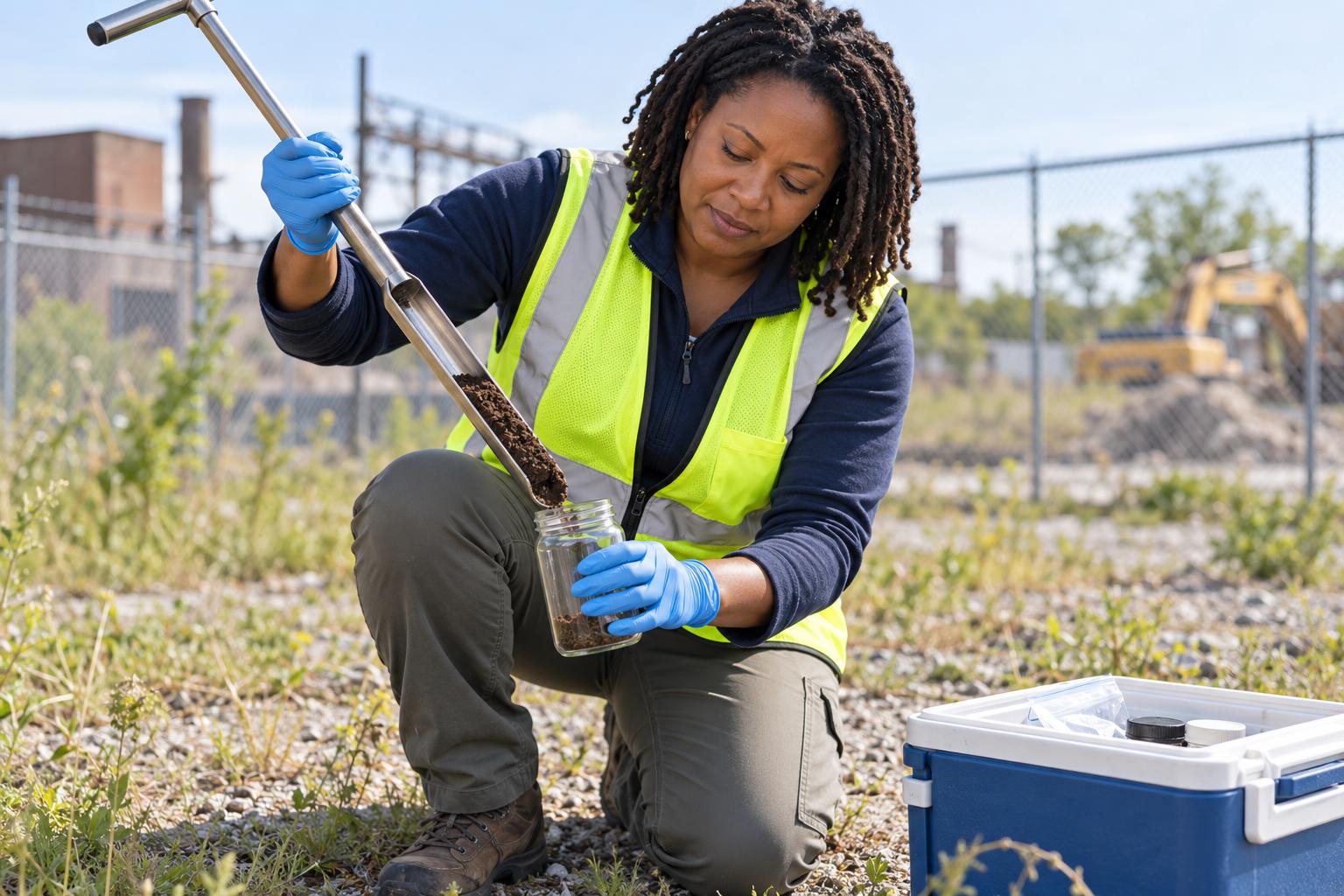
Say which kind of environmental work you are after: field sampling, lab analysis, impact assessment, conservation or remediation support. Name the setting and the question your work answered, such as tracking runoff or mapping wetland boundaries. The field tech, lab and GIS resume examples and environmental science job titles can help you decide which details matter.
Build My Environmental Science ResumePick a job-title suggestion in the builder for each field, lab or project role. Then edit in the methods, sites and deliverables you handled yourself, from bottling the first sample to drafting the report.
Connect methods to the data you produced
Describe the methods you used and what you added to the final dataset, map or decision. Sampling, data cleaning, GIS mapping and report writing are different jobs. Use specific deliverables and results you can verify rather than broad claims about protecting the environment. The suggestions for sampling, mapping and reporting are ready to adapt to your own projects.
From a field technician's resume:
“Sampled 14 stream sites each quarter for nitrate and turbidity and caught a mislabeled bottle batch before it reached the lab.”
Build My Environmental Science ResumeA sampling or analysis task makes a useful experience entry in the builder. Explain the method, the records and the handoff you completed, so your fieldwork reads as your own work rather than a bare technical list.
Separate what you ran from what you studied
Field camp, a capstone research project or a summer internship with a parks or water agency all count when you are new. Keep procedures you ran yourself apart from ones you read about in class, and include the tools and training the job description asks for. For more on field camp and first jobs, try our reading on getting started in environmental work.
Field courses and internships can show skills you have practiced. In the builder, add each one with its dates and setting, then describe the sampling, analysis or reporting you did there, apart from subjects you studied.
Give fieldwork and projects room
Technical skills read better next to the projects where you used them, with sites, dates and duties easy to follow. Early in your career, a semester of fieldwork may deserve more space than an unrelated part-time job. Some templates leave room for a projects section. If your work overlaps with farming or utilities, the agriculture, energy and other nearby fields may fit too.
Build My Environmental Science ResumeTry two or three templates in the builder and look at how your methods sit on the page in the live preview. They need room, with enough context for an employer to see the project question and what you found.
How Rocket Resume helps
Rocket Resume helps you turn fieldwork and lab analysis into clear experience entries:
- Give each task a purpose. Give each monitoring, assessment or conservation task a site and a purpose in the job entry.
- From method to finding. Edit a job-title suggestion to show how your sampling or analysis fed the records, findings or report you prepared.
- Keep coursework separate. Place studied methods in education or training details and keep experience entries for techniques you actually used.
Take an environmental resume through the builder like this:
- Choose a template. Pick a template with a projects section, then compare a few in the live preview.
- Add work experience. Add each field, lab or project role with dates and the samples or data you handled.
- Select relevant skills. Choose skill suggestions for the methods, software and reporting you have used.
- Sum up your field focus. Name your main methods and the kind of sites or samples you know, such as streams, soils or wetlands.
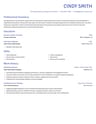
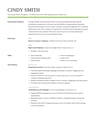
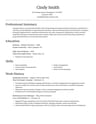
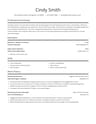
Environmental Science resume examples
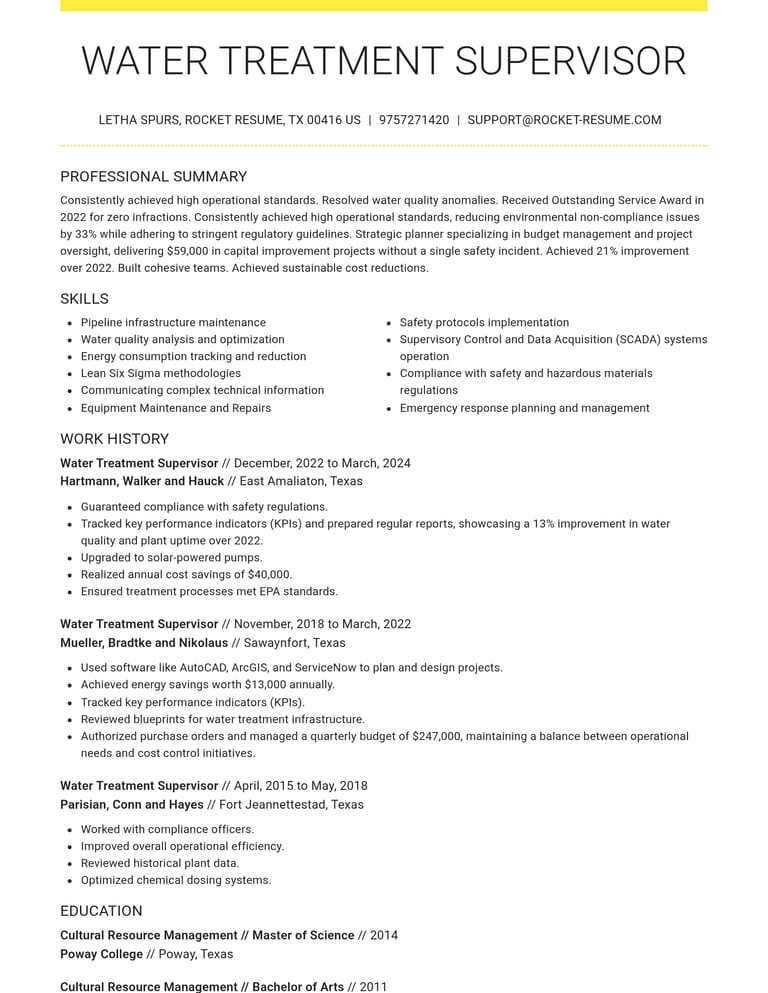
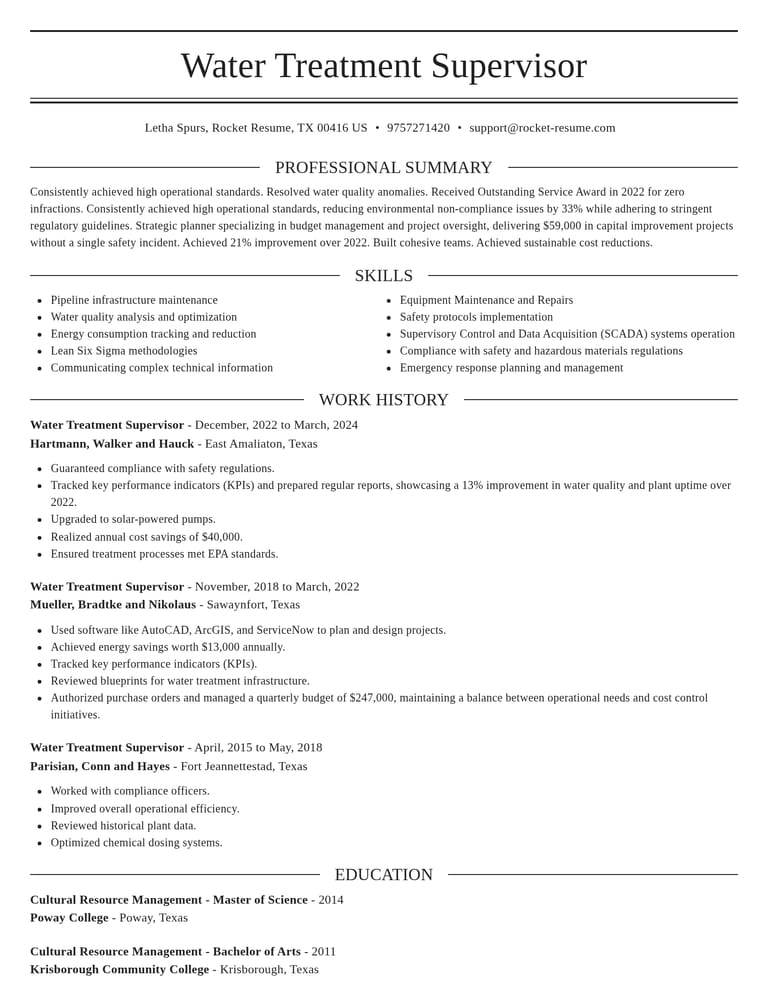
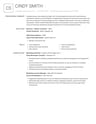
Water Treatment Supervisor resume example
More Water Treatment Supervisor resume examplesEnvironmental Science jobs: examples, templates and guides
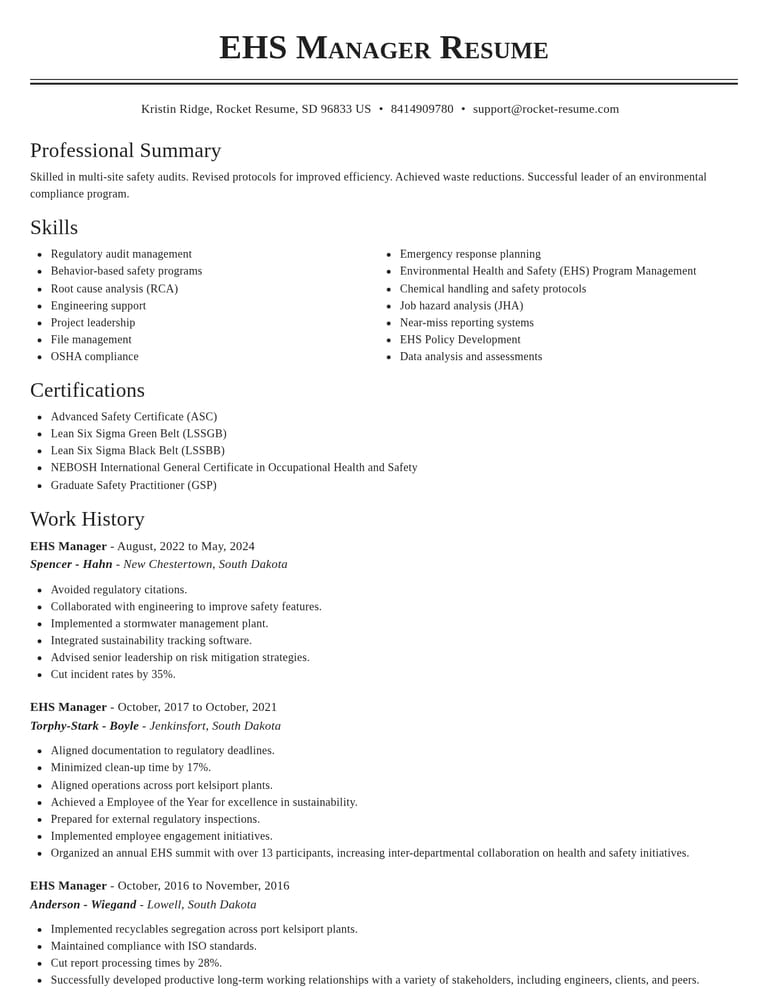
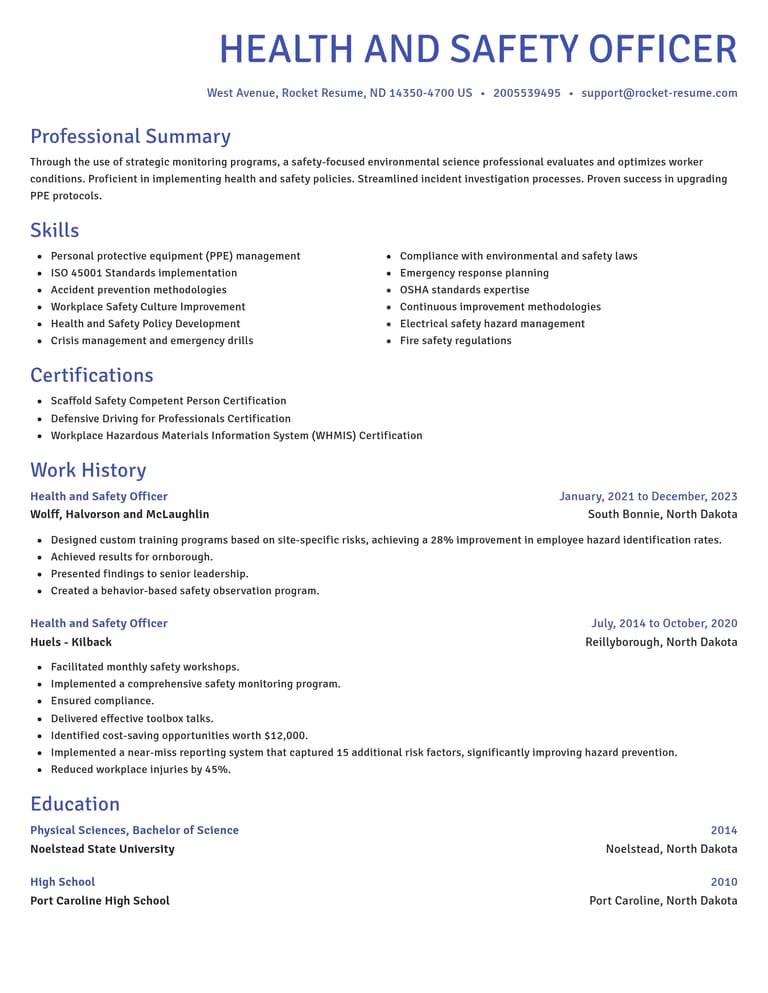
5 jobs- EHS Manager
Tips
Sites and headcount covered, ISO 14001 or 45001 audits you led, then permit and incident results.
Your main safety training, such as a NEBOSH certificate or OSHA 30, then inspections you ran.
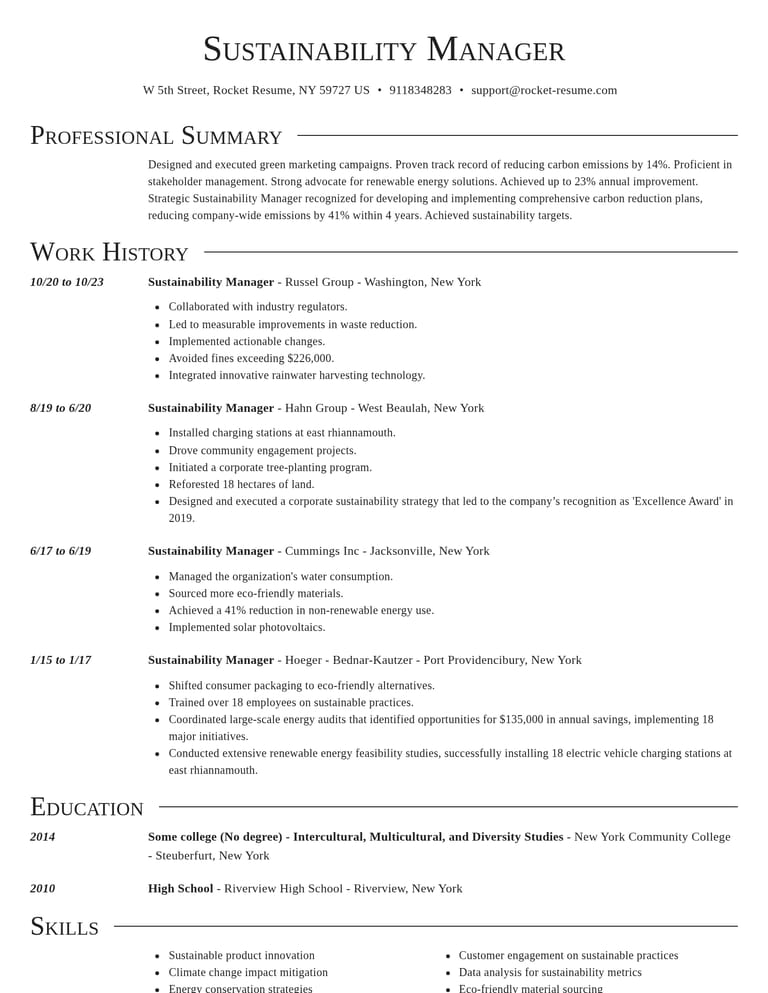
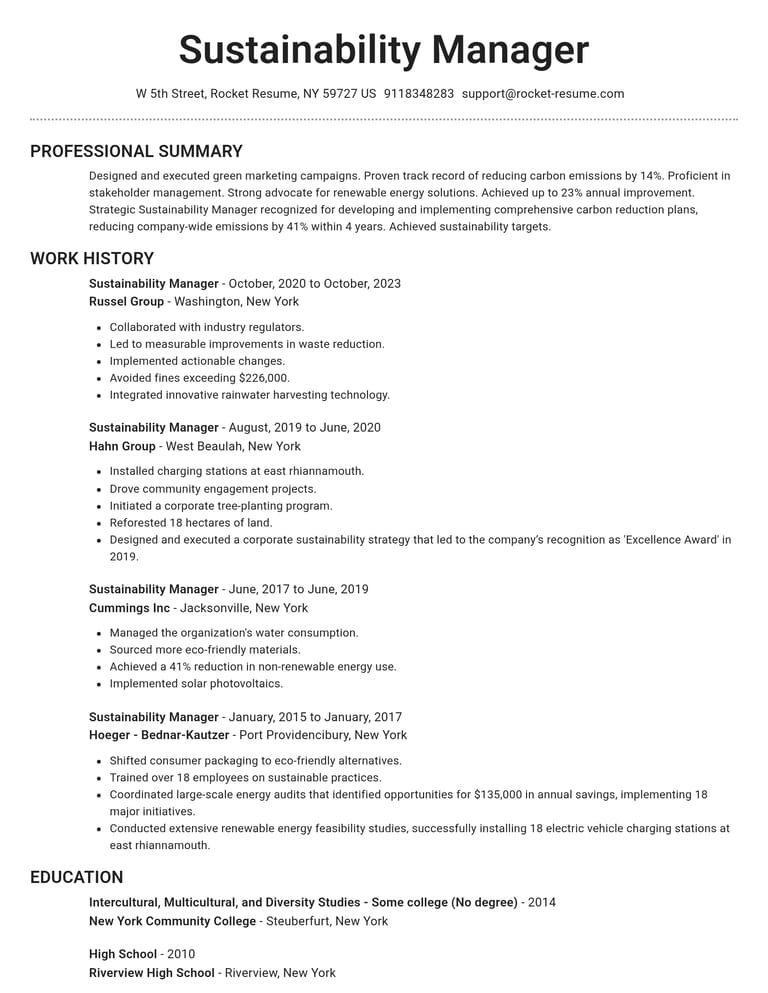
- Sustainability Manager
Examples
Say which scopes your GHG Protocol inventory covered, then the emission cuts you delivered by year.
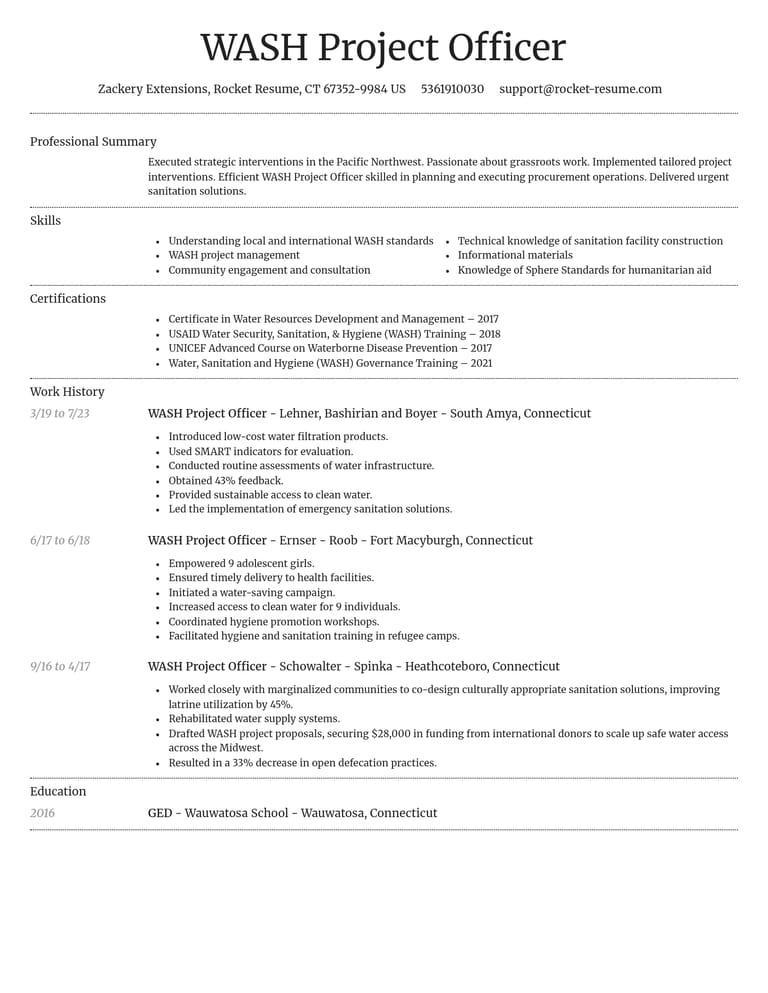
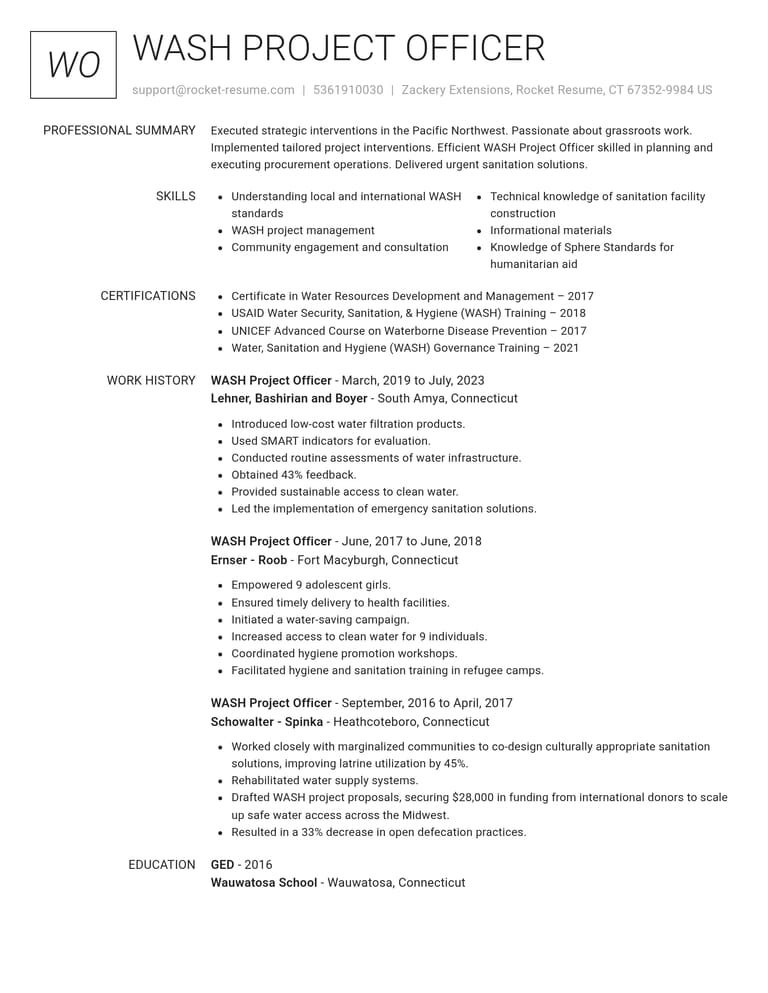
- WASH Project Officer
Templates
Your state operator certificate's grade and type, treatment or distribution, then plant size in MGD.
Environmental Science resume skills, summaries and work history suggestions
Save suggestions for your resume
Tap the bookmark next to any suggestion to save it.
Saved itemsThe examples, skills, job titles and industries you save, together in one place.
RecommendedPages, searches and examples you used but haven’t saved.
In the builderYour saved suggestions show up in the resume builder, ready to add as you write.
You’re in controlYour saved items are private. Remove any of them at any time.
Showing 12 of 40
Skills
Data analysis and assessments
Environmental compliance reporting
Work experience
Conducted job hazard analyses across 11 departments.
Advised senior leadership on risk mitigation strategies.
Summaries
Cross-functional leader in chemical safety.
Achieved 14% compliance on safety certification requirements.
Accomplishments
Initiated a site-specific environmental impact assessment, resulting in practices that reduced energy consumption by 24% over 2022.
Partnered with procurement to identify eco-friendly and compliant materials for operations, resulting in a 45% reduction in hazardous material procurement.
Skills
Environmental law and compliance collaboration
Compliance with safety and hazardous materials regulations
Work experience
Collaborated with environmental engineers and compliance officers to guarantee that all water treatment processes adhered to evolving environmental laws and safety regulations.
Supported Water Treatment Supervisor during project implementation by interpreting plans and specifications.
Summaries
Achieved up to 61% cost savings annually.
Accomplished Water Treatment Supervisor with a focus on team leadership, regulatory compliance, and system optimization, reducing environmental non-compliance by 65%.
Accomplishments
Conducted hazard assessments and implemented corrective actions in line with OSHA standards, improving workplace safety ratings by 43% within 6 quarters.
Trained a team of new hires on advanced water treatment processes, leading to 6% improvement in operational efficiency within the first 13 months.
Skills
Environmental compliance and certification
Carbon accounting and reporting
Work experience
Built and sustained relationships with key regulatory agencies to ensure compliance with environmental standards, avoiding fines exceeding $148,000.
Achieved 27% improvements year-over-year.
Summaries
Achieved recognition as 'Employee of the Year'.
Achieved up to 84% annual improvement.
Accomplishments
Directed a zero-waste initiative in supply chain processes by reengineering workflows and reducing material waste by 77%.
Led cross-functional teams in the installation of solar panels at Seattle, reducing corporate energy reliance on fossil fuels by 59%.
Skills
Field data collection and analysis
Monitoring & Evaluation (M&E) using SMART indicators
Work experience
Benefited 13 people in water-scarce regions.
Advised on climate adaptation integration.
Summaries
Accomplished WASH Project Officer known for curating culturally appropriate WASH solutions for marginalized communities. Improved latrine usage by 54% through participatory design methodologies in rural the Northeast.
Achieved a 33% improvement in hygiene practices.
Accomplishments
Drafted and executed detailed project timelines ensuring WASH projects were completed on schedule and exceeded performance benchmarks.
Trained 17 community health workers on waterborne disease control measures, resulting in a 54% reduction in outbreak response time during emergency situations.
Skills
Multilingual Safety Communication (Spanish)
Crisis management and emergency drills
Work experience
Collaborated with cross-functional teams to overhaul safety standards, meeting certification requirements in record time for Atlanta.
Captured 7 additional risk factors.
Summaries
Adept in workers’ compensation programs, successfully lowering claims by introducing preventative safety measures and improving training at Portland.
Achieved compliance across 5 job sites.
Accomplishments
Introduced methods for root-cause analysis in incident investigation, leading to the implementation of risk mitigation strategies and a 77% drop in recurrence.
Facilitated multi-department workshops on best ergonomic practices, leading to a 62% reduction in repetitive strain injuries.
Environmental Science resume questions
How do I list HAZWOPER training on a resume?
Name the course by its hours, because OSHA's hazardous waste operations and emergency response rule (HAZWOPER) sets more than one level. General site workers need 40 hours of instruction away from the site plus three days of supervised fieldwork. Workers on site occasionally for a limited task, such as groundwater monitoring, and unlikely to be exposed above exposure limits need 24 hours plus one day. A 24-hour worker needs 16 more hours and two more days before working as a general site worker or wearing a respirator, so list that upgrade with its date. Supervisors add at least eight hours of specialized training. Your instructor certifies completion in writing, so "HAZWOPER 40-hour, certificate 2025" is fair wording.
How do I describe Phase I environmental site assessments on a resume?
Count the Phase I ESAs you worked on, name the standard they followed, such as ASTM E1527-21, and give your part: records review, site reconnaissance, interviews or report writing. The U.S. EPA's All Appropriate Inquiries rule accepts E1527-21 and requires the written report to be signed by an environmental professional. The rule's definition sets the bar, for example a science or engineering degree plus five years of full-time relevant experience, or a state professional engineer or geologist license plus three. Until you meet it, write that you worked under an environmental professional's supervision, and once you do, give that its own line. Add the property types you assessed, such as gas stations or old industrial sites.
With no consulting job yet, what should an environmental science resume lead with?
Open with fieldwork you can name, even from classes, a field camp or a summer job: wells sampled, transects walked, soil borings logged and the meters you calibrated. List lab methods and GIS software next. Consulting work reaches clients as reports, so point to one you drafted, such as a capstone that assessed a real site, and say which sections you wrote. Keep a strong GPA beside your degree for a year or two after graduating, then let field experience carry the page. Add a HAZWOPER course by its hours if you've taken one, and a driver's license when the job lists site visits.
Which credentials and duties move a safety officer toward EHS manager?
Show the jump in scope: from inspections and toolbox talks to running an environment, health and safety (EHS) program with its budget, including permits, waste and spill plans. Date each role and list credentials in the order earned. The U.S.-based Board of Certified Safety Professionals asks Certified Safety Professional candidates for at least a bachelor's degree, four years of safety, health and environment experience, at least half of it preventive professional-level work, and a qualified credential such as its Associate Safety Professional. Its list also takes a NEBOSH diploma or Chartered IOSH membership in place of that credential, though the degree rule still applies. The Health and Safety Officer and EHS Manager examples show both stages.
Resume guides and career advice

In the US, a resume is the one- or two-page document most employers want, while a CV (curriculum vitae) is the long record of an academic career used for faculty, research and some medical positions. In the UK and much of Europe, CV is simply the everyday word for a resume, so for a job there, adapt your resume's length, spelling, paper size and personal details to local custom. If a US employer outside academia asks you for a CV, send your resume unless its instructions call for more detail.

Updated Apr 28, 2026
Resume mistakes that trigger automatic rejection in 2026, from typos in contact details and ATS-breaking layouts to listing duties instead of results, keyword stuffing, oversharing, and stale GPAs.


Explore other industries
Related to Environmental Science


 18 examples
Talent Acquisition Recruiter · Human Resources Assistant · Payroll Administrator


All industries
This page’s industryRelated to Environmental Science
- Aerospace & Defense, 8 examples
- Agriculture, 23 examples
- Apparel & Textiles, 13 examples
- Architecture, 15 examples
- Artificial Intelligence, 6 examples
- Arts & Entertainment, 24 examples
- Automotive, 21 examples
- Beauty & Personal Care, 17 examples
- Biotechnology & Life Sciences, 7 examples
- Business Services, related industry, 23 examples
- Chemical Engineering, 4 examples
- Childcare, 14 examples
- Construction, 106 examples
- Creative, 15 examples
- Customer Service, 17 examples
- Education, 94 examples
- Energy, related industry, 39 examples
- Environmental Science, this page’s industry, 5 examples
- Finance, 63 examples
- Food & Beverage, 68 examples
- Government, related industry, 48 examples
- Healthcare, 160 examples
- Hospitality, 35 examples
- Human Resources, related industry, 18 examples
- Insurance, 10 examples
- Legal, 12 examples
- Logistics, 37 examples
- Manufacturing, 68 examples
- Marketing, 8 examples
- Media, 20 examples
- Military, 24 examples
- Mining & Metals, 9 examples
- Nonprofit, 8 examples
- Pharmaceuticals, 11 examples
- Public Relations, 10 examples
- Real Estate, related industry, 7 examples
- Retail, 38 examples
- Robotics, 11 examples
- Sales, 14 examples
- Security Services, 19 examples
- Social Services & Counseling, 21 examples
- Social Work, 14 examples
- Sports & Fitness, 96 examples
- Technology, 67 examples
- Telecommunications, 6 examples
- Tourism & Travel, 8 examples
- Transportation, 38 examples
- Veterinary, 9 examples