Energy resume examples for utility, plant, field and office jobs
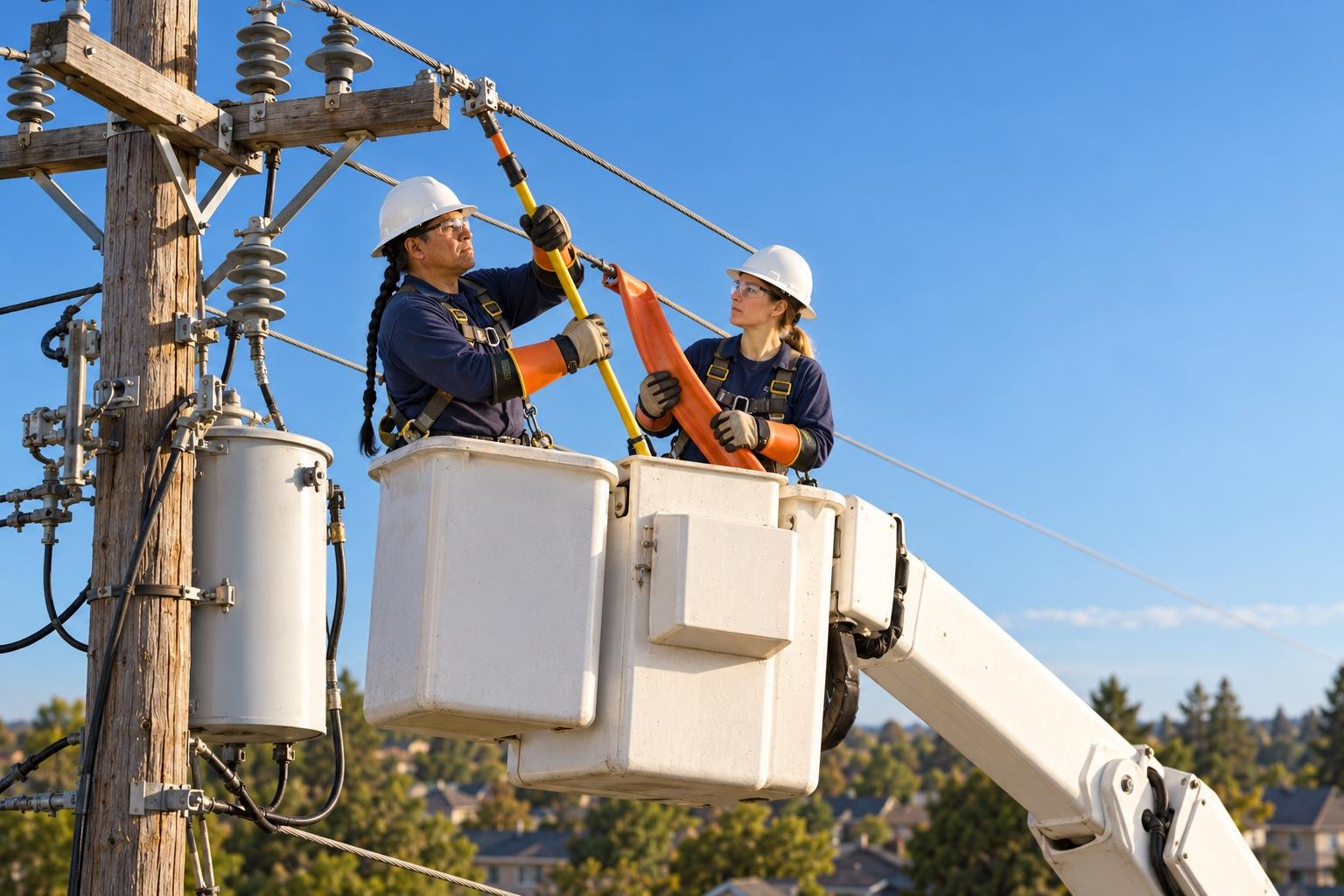
Lineworkers, plant operators, solar and wind techs and energy analysts can show the equipment they maintained, the sites they covered and their part in keeping power flowing.
- Resume examples for 39 energy jobs
- Professional resume templates
- Easy editing as you go
How to write a energy resume
Energy work runs from climbing utility poles and watching a power plant control board to forecasting load or managing a solar build. A utility or oil producer's name does not tell an employer which of those jobs you did. Start with the function you want next, then pick work that shows your part: the equipment you kept running, the outage or project you worked on and what you finished. The Bureau of Labor Statistics describes power plant operators, distributors and dispatchers as the people who control the systems that generate and distribute electric power.
Utility and plant hiring managers often pass over a resume when:
- A utility or oil company name hides the job you actually did.
- Equipment and systems appear with no task attached.
- Crew or project results make your own share hard to see.
Name your part of the energy business
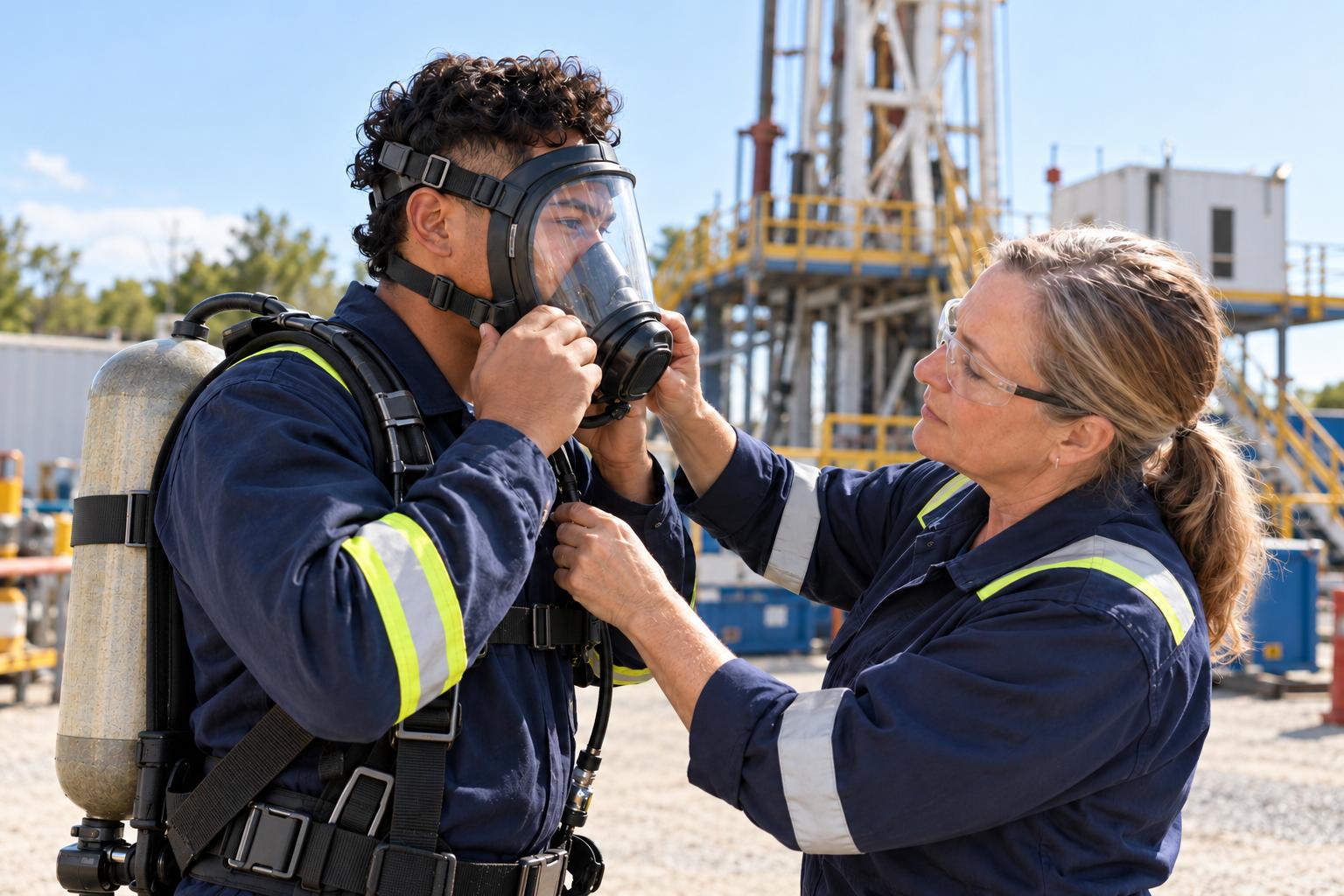
Say which part of the industry you know, such as power generation, transmission and distribution, solar and wind, or oilfield services, and what you did there. Line work, plant operations, engineering and energy trading call for different evidence. The lineworker, plant and analyst resume examples and the energy job titles from apprentice to plant manager show how that work can be described.
Build My Energy ResumeStart in the builder with the sites, crews and equipment you know well. Edit each suggestion until it matches what you actually did on that crew, shift or project, not what the job title implies.
Explain the equipment or process you supported
Pick an asset, project or recurring task, such as a substation, a turbine fleet or a meter upgrade. Name the equipment, what you were responsible for and a result you can back up. Make it clear whether you did the hands-on work, ran the analysis or oversaw it. Edit the suggestions for maintenance, operations and project work until they match your site.
From a substation technician's resume:
“Traced repeat breaker trips at two substations to a worn relay setting and moved those relays onto a monthly inspection schedule.”
Build My Energy ResumeIn the builder, describe one piece of equipment or a process you helped keep running. Name the fault, inspection or repair and what you finished, with enough site detail to set your work apart from another energy role.
Use training early and add scope later
A lineworker training program, an apprenticeship, an internship or a senior engineering project counts as experience when you are new to the field, so say where it happened and what you did with your own hands. Later on, add the size of the assets, service territory or crew you supported, leaving out restricted operational details. Our career articles on apprenticeships and utility jobs go deeper.
Training programs and engineering projects can show relevant experience at the start of an energy career. In the builder, name where each one took place and your role, then explain the equipment, analysis or coordination work you practiced.
Keep technical and field evidence together
Safety cards and licenses, such as OSHA training or a commercial driver's license, should be easy to find, and work history needs the most space. Group tools and systems by how you use them, and let a project entry explain your part instead of repeating the skills section. Several templates leave room for certifications and site work. Coming from construction or manufacturing? Those neighboring trades and industries have their own pages.
Build My Energy ResumeThe builder's live preview shows how assets, project duties and training sit on the page as you switch templates. Aim for a resume someone can follow without decoding a long list of systems.
How Rocket Resume helps
Whether you work from a bucket truck or a trading desk, here is where Rocket Resume fits:
- Say what you did there. In each job entry, say whether you worked in operations, engineering, maintenance or another function, not just the company name.
- Tie equipment to a task. Edit an equipment suggestion into a description of the inspection, analysis, maintenance or operational task you performed.
- Claim your own part. Name the asset, task or project phase you handled so the description does not claim the whole crew's work.
Four builder steps for an energy resume:
- Choose a template. Pick a template with space for safety cards and licenses, and watch the live preview as you switch.
- Add work experience. Add each energy job with dates and the assets or projects you worked on.
- Select relevant skills. Choose skill suggestions that match your equipment, analysis and coordination work.
- Name your trade. Write a short summary naming your trade or function and the equipment and sites you know well.
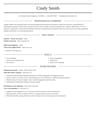
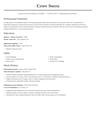
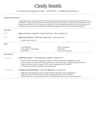
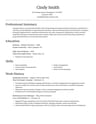
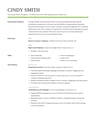
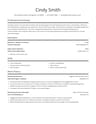
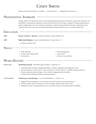
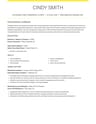
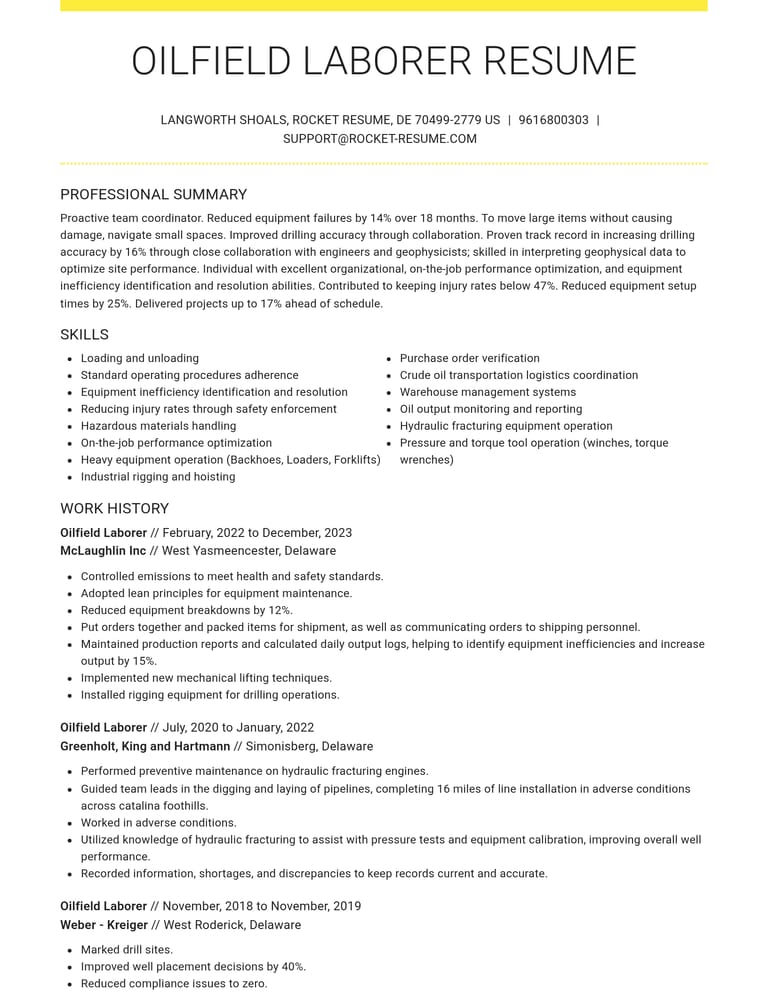
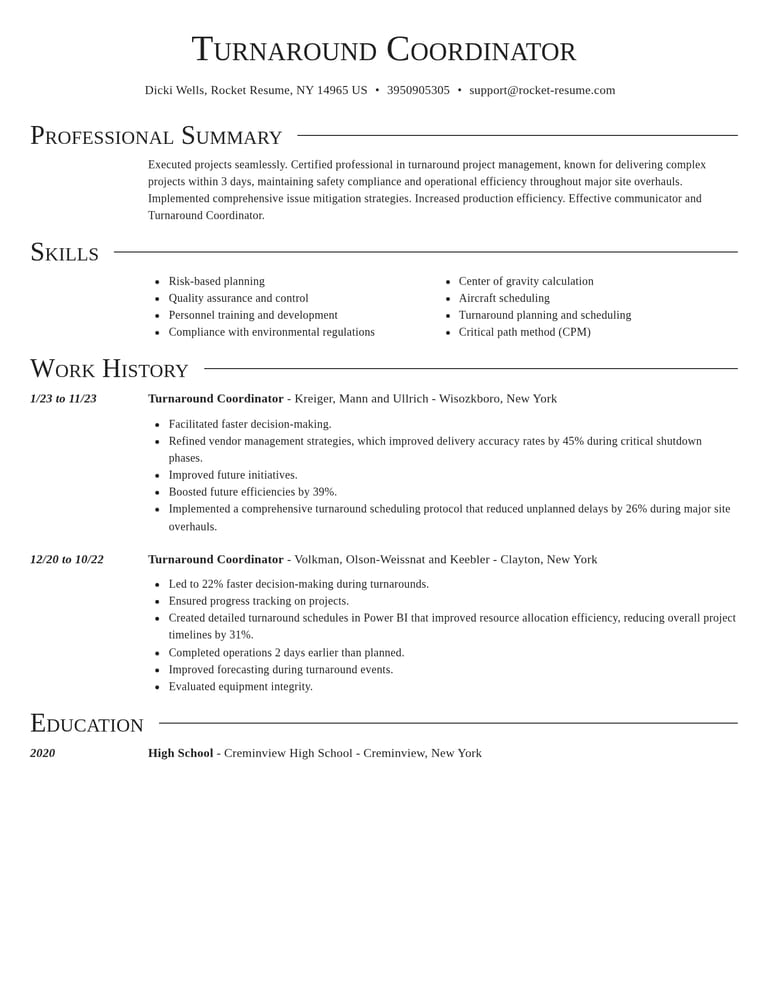
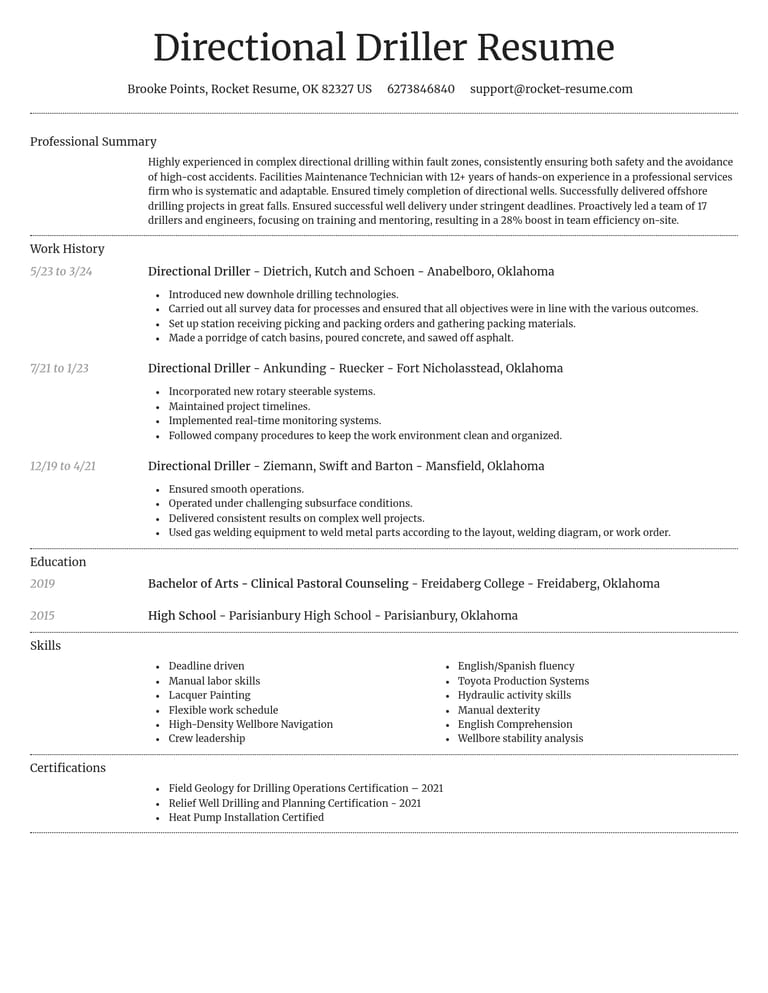
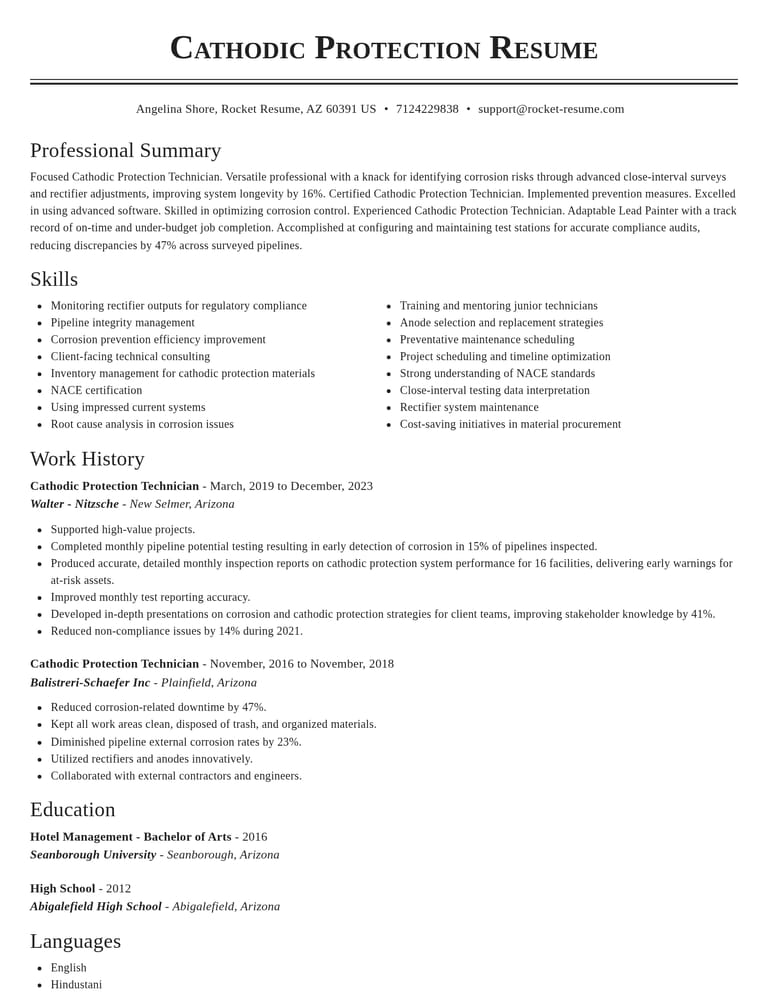
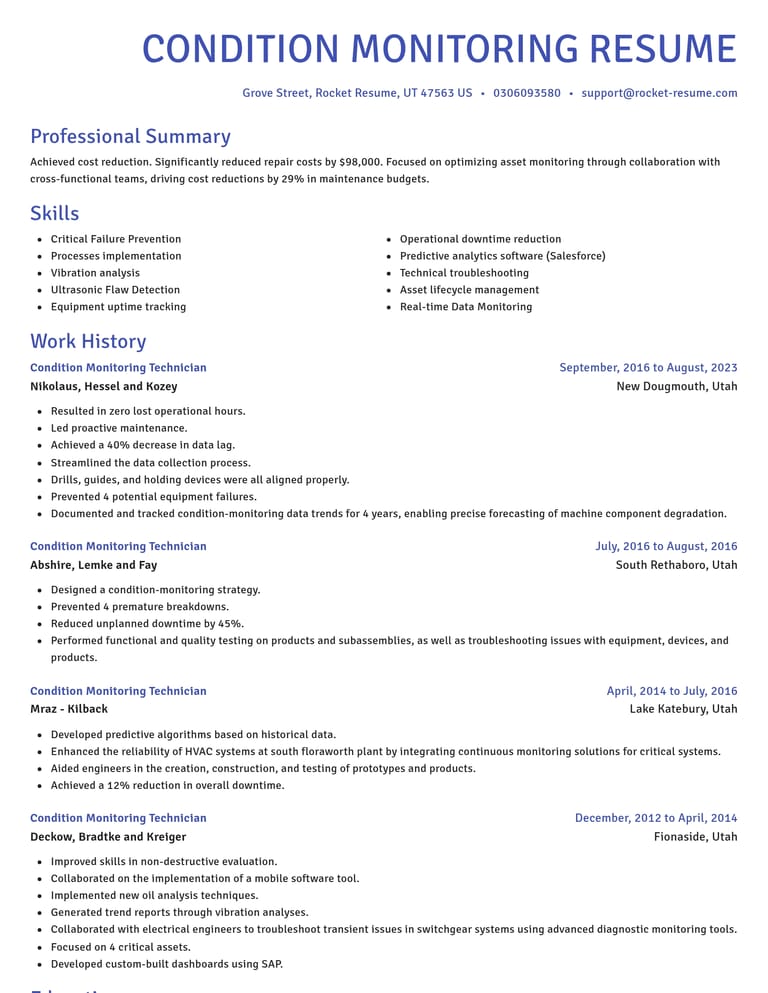
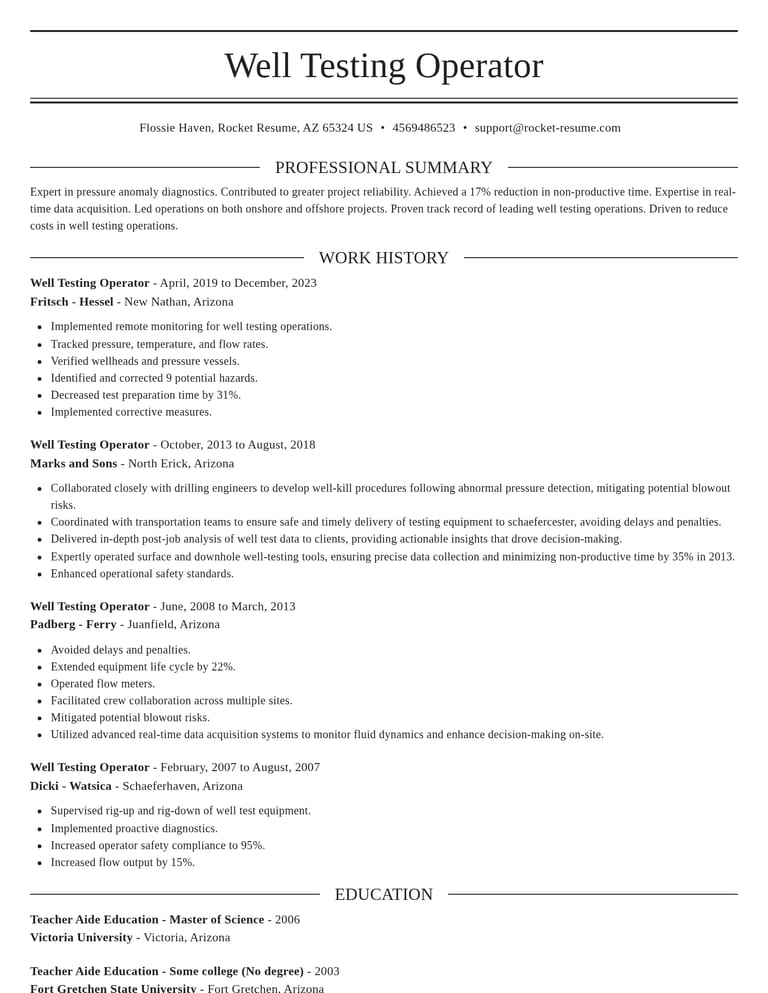
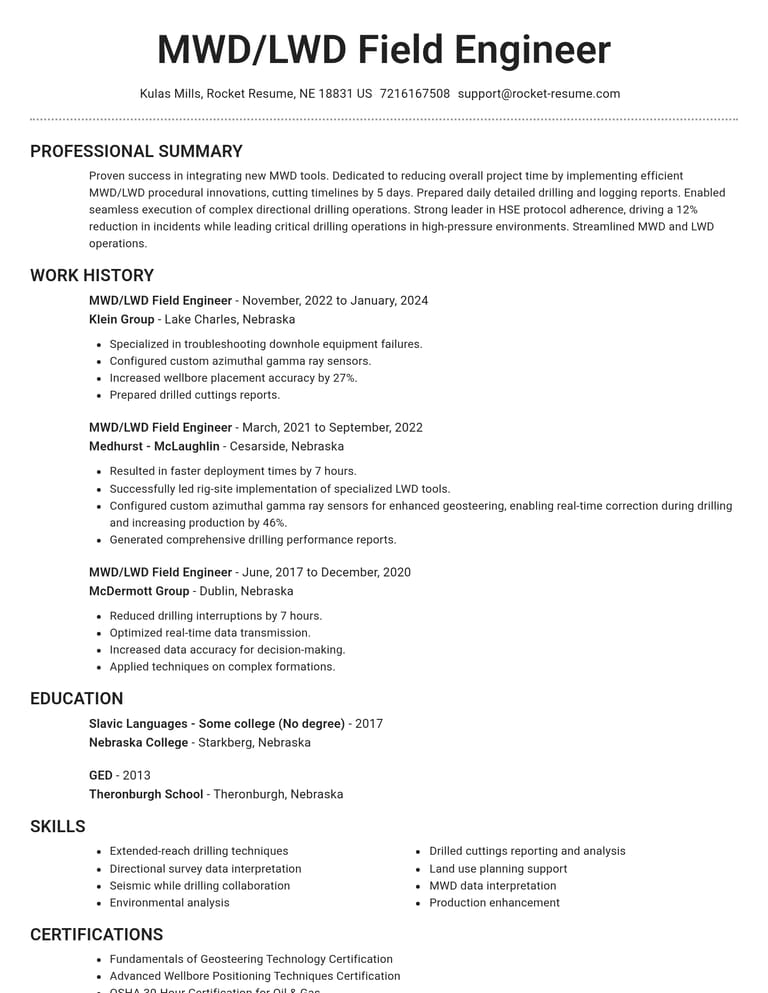
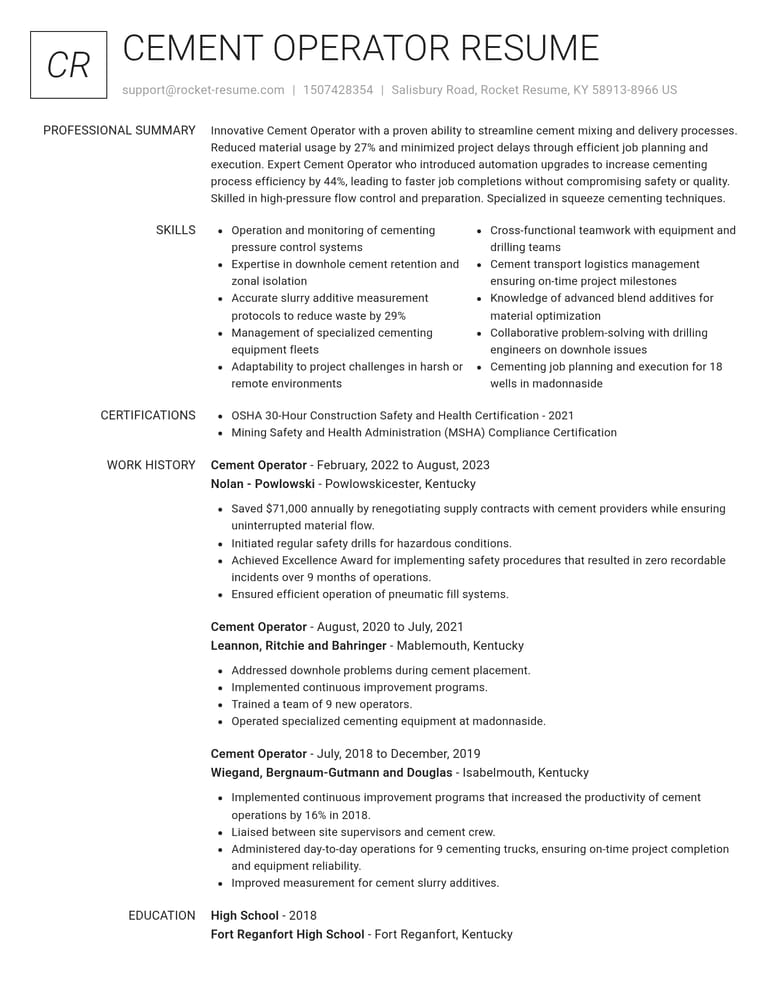
Energy resume examples
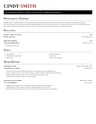
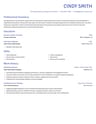
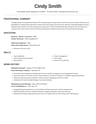
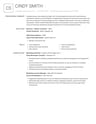
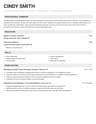
Rotating Equipment Supervisor resume example
More Rotating Equipment Supervisor resume examplesEnergy jobs: examples, templates and guides
39 jobs- Utility Manager
Resume
Give the utility type and customers served, then outage, water-loss or budget results you owned.
- Coil Tubing Operator
Templates
List WellSharp coiled tubing well control training if held, then unit size and jobs like cleanouts.
- Derrickman
Examples
Describe your monkeyboard work and the mud pumps and returns you monitored, then the rig type.
Name the voltage classes you've tested, the test sets you used and each system you handed over.
- Floorman
Templates
Name the rig type and your floor work, like tongs, slips and pipe handling, plus forklift training.
- Mud Engineer
Guides
The water-based, oil-based or synthetic systems you ran, with mud weights held and losses cut.
- Directional Driller
Resume
Feature the well profiles you drilled, like long laterals, and the motor or rotary steerable tools.
Report wells delivered against planned days and cost, the rigs you oversaw, and for which operators.
- Gas Technician
Examples
On U.S. pipeline work, list the covered tasks you're operator-qualified for under 49 CFR 192.
- Oilfield Pumper
Templates
Cover the wells and leases on your route, how you gauged and reported output, and downtime caught.
- Power Lineman
Resume
Give apprentice or journey-level status and your commercial driver's license class, then storm work.
- QHSE Manager
Guides
Pair each part of QHSE with a result: audit findings closed, incident-rate trend, spills prevented.
Show all 39 energy jobsShow fewer
Energy resume skills, summaries and work history suggestions
Save suggestions for your resume
Tap the bookmark next to any suggestion to save it.
Saved itemsThe examples, skills, job titles and industries you save, together in one place.
RecommendedPages, searches and examples you used but haven’t saved.
In the builderYour saved suggestions show up in the resume builder, ready to add as you write.
You’re in controlYour saved items are private. Remove any of them at any time.
Showing 12 of 40
Gas meter installation
Gas laws (local and national)
Coil Tubing Supervisor resume examples
Work experience
Achieved a 78% reduction in operational costs by negotiating competitive supplier contracts for critical downhole tools.
Helped with budgeting and forecasting to predict revenue and expenditures.
Proactive equipment troubleshooting
Calibration of protective relays and control circuits
H2S Safety Supervisor resume examples
Work experience
Adjusted policies for local compliance requirements.
Contributed to a 64% improvement in drill response times.
Heavy equipment operation (Backhoes, Loaders, Forklifts)
Daily output logging and production reporting
Wind Blade Repair Technician resume examples
Work experience
Completed up-tower blade repair work.
Achieved a 24% improvement in turbine energy conversion.
Equipment Efficiency Optimization
Condition monitoring program development
Directional Driller resume examples
Work experience
Ensured proper installation by reading blueprints accurately.
Oversaw a 9-person rig team that was responsible for daily rig operations and special projects.
Pipeline integrity testing
Developing test protocols
Oil Laboratory Technician resume examples
Work experience
Calibrated and troubleshot testing instruments, ensuring accurate results in over 12 oil analyses per year.
Avoided a repeat of a previous $220,000 failure event.
Continuously seeks innovative methods to improve logistics.
Achieved 17 consecutive well test operations.
Committed to safety excellence.
Solar Sales Consultant resume examples
Accomplishments
Analyzed competitors’ pricing structures and adjusted rates accordingly, boosting win rates by 55%.
Developed a comprehensive sales toolkit that was used company-wide and improved close rates by 46%.
QHSE Manager resume examples
Summaries
A results-orientated QHSE Manager with an impressive track record of enhancing supplier quality by 71% and improving operational efficiencies across global stakeholders.
Achieved a 50% decrease in potential workplace hazards.
Derrickman resume examples
Accomplishments
Helped reduce mud material waste by implementing improved handling practices, increasing company savings by 5/year.
Supported on-site recovery and mud preparation operations by maintaining accurate records and coordination with compliance officers.
Mud Engineer resume examples
Summaries
Adjusted to challenging wellbore conditions.
Aligned mud programs with government HSE standards.
Wellhead Service Technician resume examples
Accomplishments
Utilized proprietary tools in a high-pressure environment, reducing labor hours by 43% for wellhead maintenance in Raleigh.
Partnered with the client to provide scheduled and emergency troubleshooting services, resulting in a 57% increase in client retention.
Utility Manager resume examples
Summaries
Accomplished Utility Manager with proven success in managing $168,000 utility infrastructure upgrades that improved service reliability and reduced annual operational costs by $23,000.
MWD/LWD Field Engineer resume examples
Accomplishments
Generated detailed daily telemetry reports, providing key insights for optimizing drill rate and improving operational forecasts by 85%.
Increased directional drilling performance accuracy by 61% through enhanced downhole calibration and telemetry adjustments.
Accomplished Turnaround Coordinator with experience handling high-stakes shutdowns, having successfully coordinated operations for 3 facilities and reduced downtime costs by $225,000.
Achieved zero incidents across 18 consecutive turnarounds.
Roustabout Hand resume examples
Accomplishments
Led a crew of 8 in safely rigging down and moving a drilling rig, completing the shift in 9 hours under harsh weather conditions.
Assisted in high-altitude work on rig towers, adhering to all safety protocols and reducing risk of fall injuries by 46%.
Energy resume questions
What should a rig hand resume say with no oilfield experience?
Aim it at entry crew jobs: the Bureau of Labor Statistics (BLS) notes that roustabout positions typically don't require experience and may offer a way to gain the experience derrick operator and driller jobs need. Then show you can handle a new hand's first tasks, which BLS describes as cleaning equipment and drilling structures, organizing tools, and loading and unloading. Construction, farm, warehouse or military jobs count when you name the equipment you ran, the loads you moved and the hours you put in outdoors. Add your driver's license, any forklift or rigging training, and that you can work weeks-long hitches away from home. See Roustabout Hand and Floorman examples.
How do I show offshore work on a resume?
Name the installation type, such as a jackup, semisubmersible, drillship or production platform, plus the field or basin and the operator or drilling contractor. Give your rotation, such as 14 days on and 14 off, so an employer sees you've worked the schedule BLS describes for offshore crews: weeks away from home and long shifts seven days a week. Then list offshore credentials with their expiry dates. If U.S. work gave you a Transportation Worker Identification Credential (TWIC), include it: federal law requires one for workers who need access to secure areas of maritime facilities and vessels, and the Transportation Security Administration issues it. Add the sea survival or helicopter escape training your employer required.
How do I show a move up the drilling crew, from roustabout to driller and beyond?
Show what each move added on the rig, since the jobs build on one another. BLS says derrick operators monitor the mud pumps and move pipe as the driller directs, and drillers direct the derrick operators and roustabouts. So list your positions under the rig contractor, date each move up by month, and name the duty that came with it, such as taking over the pumps or running the driller's controls. A rig manager can then see how long you spent at each spot. See examples along the way: Roustabout Hand, Floorman, Derrickman and Drilling Supervisor.
How do I change my resume for a solar or wind job?
Lead with electrical, roofing or construction work, since BLS notes that construction experience, such as work as an electrician, roofer, carpenter or laborer, may shorten a new solar installer's training. For solar panels, a PV Associate credential from the North American Board of Certified Energy Practitioners (NABCEP) shows the basics: NABCEP says passing an Associate exam qualifies you to design, sell, install or maintain systems under supervision. For wind, list climbing, self-rescue and electrical safety training with dates, the subjects BLS names for wind technician certification. Oilfield hands can carry over hydraulics, rotating equipment and permit-to-work habits. See Solar Panel Technician and Wind Blade Repair Technician examples.
Resume guides and career advice

Updated Feb 27, 2026
Pipe welding career path with the 6G test position, SMAW and TIG processes, apprenticeships, ASME and API 1104 certifications, and pay from $67,000 to $75,000, plus pipeline welders topping $100,000.
Updated Oct 25, 2026
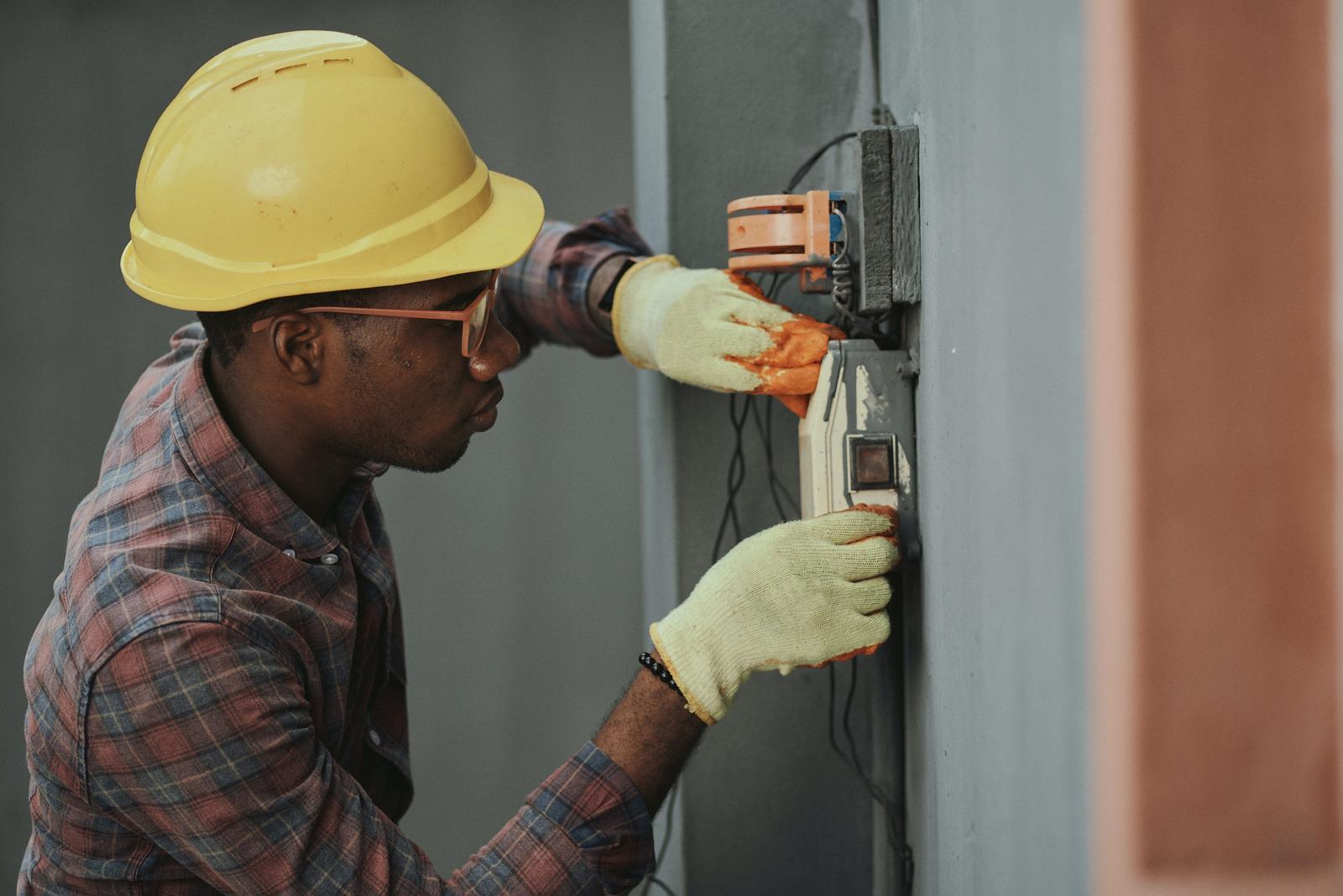
Prepare for the four electrician interview questions you'll need to answer, with common questions, answer guidance, and practical examples from Rocket Resume.
Updated Feb 17, 2026
What electricians earn (a $62,350 median wage), the 9 percent job growth projected through 2034, the 4-to-5-year paid apprenticeship path, state licensing exams, and advancing to master electrician.

Updated Jun 11, 2026
Entry-level electrical engineers average $98,500 in 2026, with tech hubs like Austin paying up to $145,000, plus the location, industry, and internship factors that push starting offers higher.




Explore other industries
Related to Energy


 68 examples
CNC Machine Operator · Production Associate · Manufacturing Technician
 6 examples
Fiber Optic Technician · L1 Network Engineer · Mobile Repair Technician

All industries
This page’s industryRelated to Energy
- Aerospace & Defense, 8 examples
- Agriculture, 23 examples
- Apparel & Textiles, 13 examples
- Architecture, 15 examples
- Artificial Intelligence, 6 examples
- Arts & Entertainment, 24 examples
- Automotive, 21 examples
- Beauty & Personal Care, 17 examples
- Biotechnology & Life Sciences, 7 examples
- Business Services, 23 examples
- Chemical Engineering, 4 examples
- Childcare, 14 examples
- Construction, related industry, 106 examples
- Creative, 15 examples
- Customer Service, 17 examples
- Education, 94 examples
- Energy, this page’s industry, 39 examples
- Environmental Science, 5 examples
- Finance, 63 examples
- Food & Beverage, 68 examples
- Government, 48 examples
- Healthcare, 160 examples
- Hospitality, 35 examples
- Human Resources, 18 examples
- Insurance, 10 examples
- Legal, 12 examples
- Logistics, 37 examples
- Manufacturing, related industry, 68 examples
- Marketing, 8 examples
- Media, 20 examples
- Military, 24 examples
- Mining & Metals, related industry, 9 examples
- Nonprofit, 8 examples
- Pharmaceuticals, 11 examples
- Public Relations, 10 examples
- Real Estate, 7 examples
- Retail, 38 examples
- Robotics, 11 examples
- Sales, 14 examples
- Security Services, 19 examples
- Social Services & Counseling, 21 examples
- Social Work, 14 examples
- Sports & Fitness, 96 examples
- Technology, 67 examples
- Telecommunications, related industry, 6 examples
- Tourism & Travel, 8 examples
- Transportation, related industry, 38 examples
- Veterinary, 9 examples