Mining & Metals resume examples for mine, mill and plant crews
Haul truck operators, mill and smelter workers, maintenance crews and lab techs: these mining and metals resume examples show how to name the site, the machinery and your safety training.
- Resume examples for 9 mining & metals jobs
- Professional resume templates
- Easy editing as you go
How to write a mining & metals resume
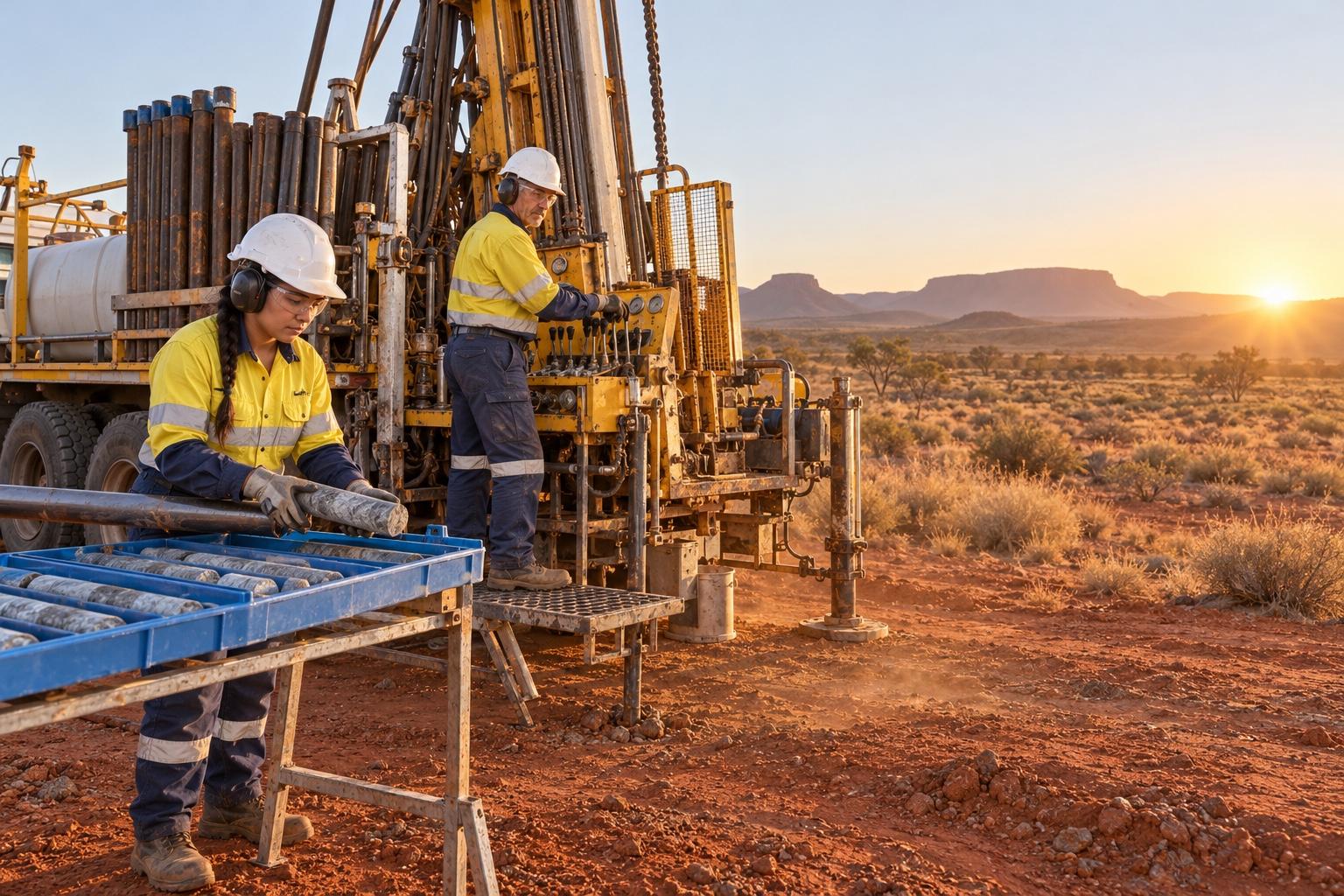
Mining and metals experience needs the setting that gives technical details meaning. Surface and underground mining, mineral processing, smelting, maintenance and lab work call for different duties. Explain where you worked and the tasks or equipment you handled. Miner safety training in the US follows federal Mine Safety and Health Administration (MSHA) rules, so list it with dates. Excavating and loading machine operators dig and load sand, gravel, earth and similar materials into trucks or onto conveyors, according to the Bureau of Labor Statistics profile of material moving machine operators.
Mine, mill and smelter resumes often miss three things:
- The site or process behind your experience is unclear.
- Equipment names appear without a task or responsibility.
- Training is listed without saying where it applies or whether it's current.
Identify the mining or metals setting
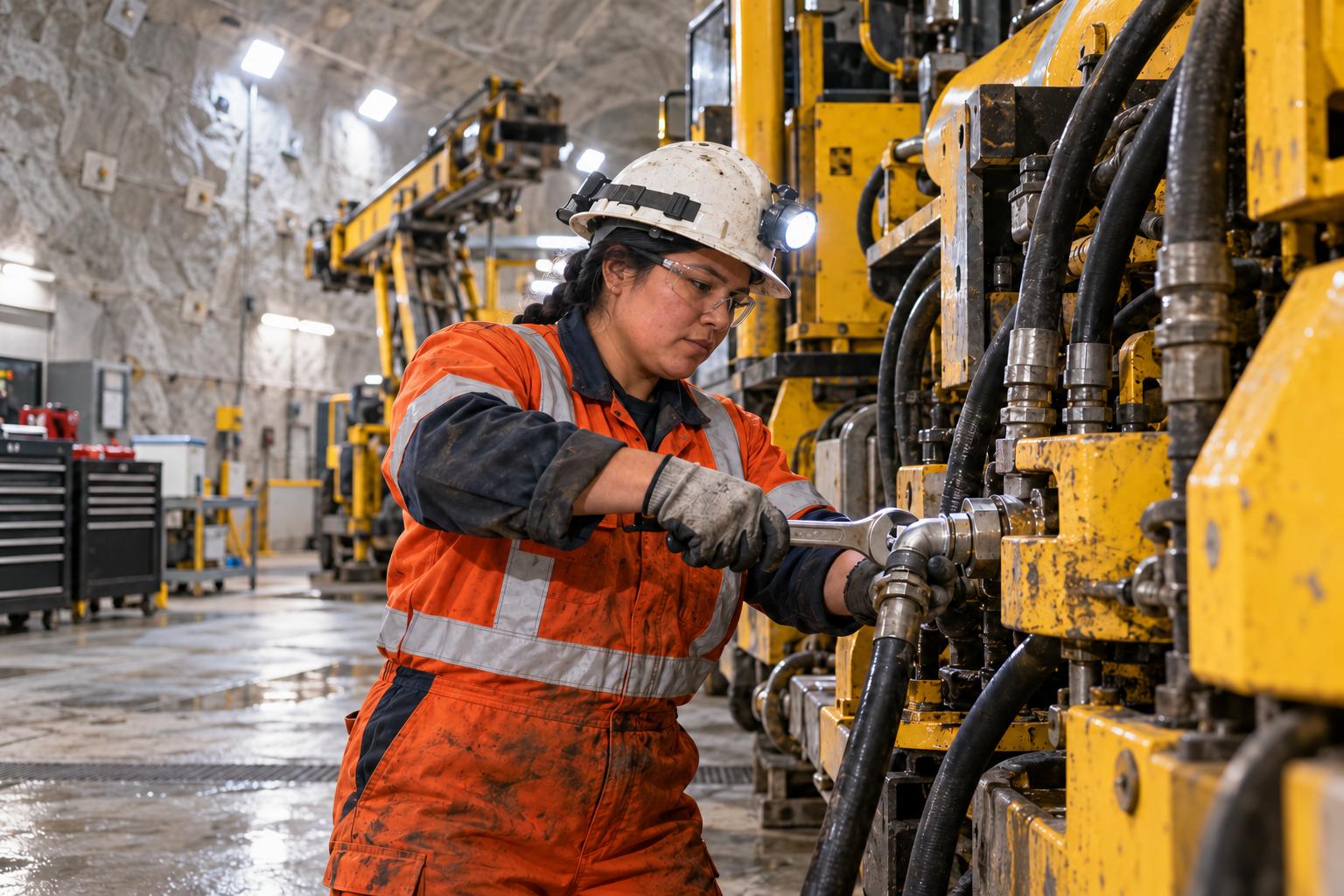
Name the operation or process you know: surface or underground mining, mineral processing, maintenance, lab work or metals production. Surface and underground experience are not interchangeable, so say which you have. Sample resumes for haul truck, mill and plant jobs show how site work is described, and the mining and metals job titles help you find your own.
Mine and plant suggestions in the builder start from the job title you pick. Edit them with tasks from the operations you know and the machinery you handled, so it reads as your own work.
Describe equipment work and shift handoffs
Describe the equipment, the task and your level of responsibility. Explain checks, shift handoffs or troubleshooting through actions you actually performed. Add production, crew or maintenance scope when it helps. Adapt the suggestions for haul truck, mill and maintenance work to your own site.
A mill maintenance tech might write:
“Inspected 12 conveyor belts each shift, traced a recurring tracking fault to a worn idler and had it replaced at the next planned shutdown.”
Build My Mining & Metals ResumeOne equipment or process task gives a dated builder entry plenty to work with. Describe the checks, operation or repair support you did and the record or handoff that followed.
List safety training with dates
List your MSHA new-miner or annual refresher training (Part 46 or Part 48) with dates, plus any state or employer certifications under their exact names. If this is your first mining job, time on similar heavy equipment in construction or quarry work shows transferable skills. Our articles on mining and metals careers cover getting started.
Safety training and certifications fit in an optional section of the builder. Give each its exact name and the date you completed it, so a site supervisor can see what is current.
Keep operating experience and training distinct
Sites, roles and dates should be easy to follow, with equipment skills and training given clear space. If you worked across different processes or locations, name the setting of each assignment instead of blending them together. Templates that keep sites and dates easy to follow work well here. Mining skills often carry over to energy or construction, two of the industries next door.
Build My Mining & Metals ResumeChoose a template in the builder and check the live preview for site context. Each job entry should name the process and your level of responsibility, with assignment dates easy to spot.
How Rocket Resume helps
Name the site, tie each machine to a task and date your training:
- Your site and process. Name the mine, mill or maintenance setting and your function in the job entry so the experience has context.
- The machines you ran. Adapt a suggestion to show the machinery you ran, inspected or maintained and what you were responsible for during the shift.
- Training with dates. Record each certification's exact name and the date you completed it or it expires.
Build the mining and metals resume in this order:
- Choose a template. Open a template with room for site names, equipment and MSHA training.
- Add work experience. Add each site job with dates, the operation type and the equipment you ran.
- Select relevant skills. Choose skill suggestions for site machinery, inspections and shift handoffs.
- Name your site type. Start the summary with your site type, then your main equipment and your latest refresher training date.
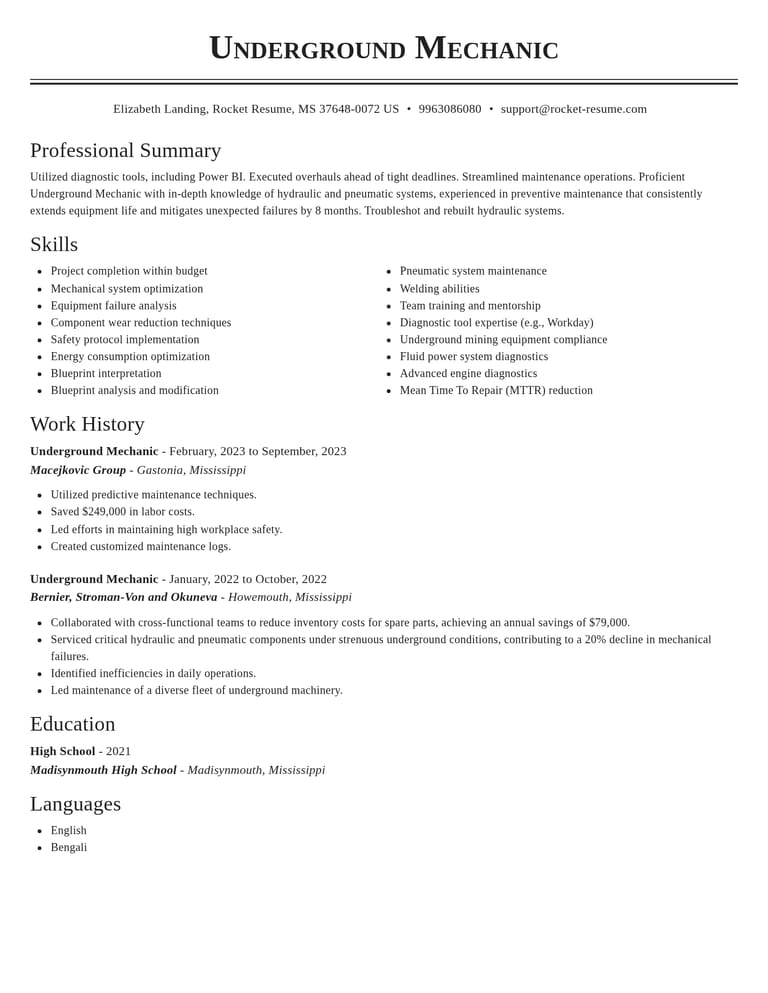
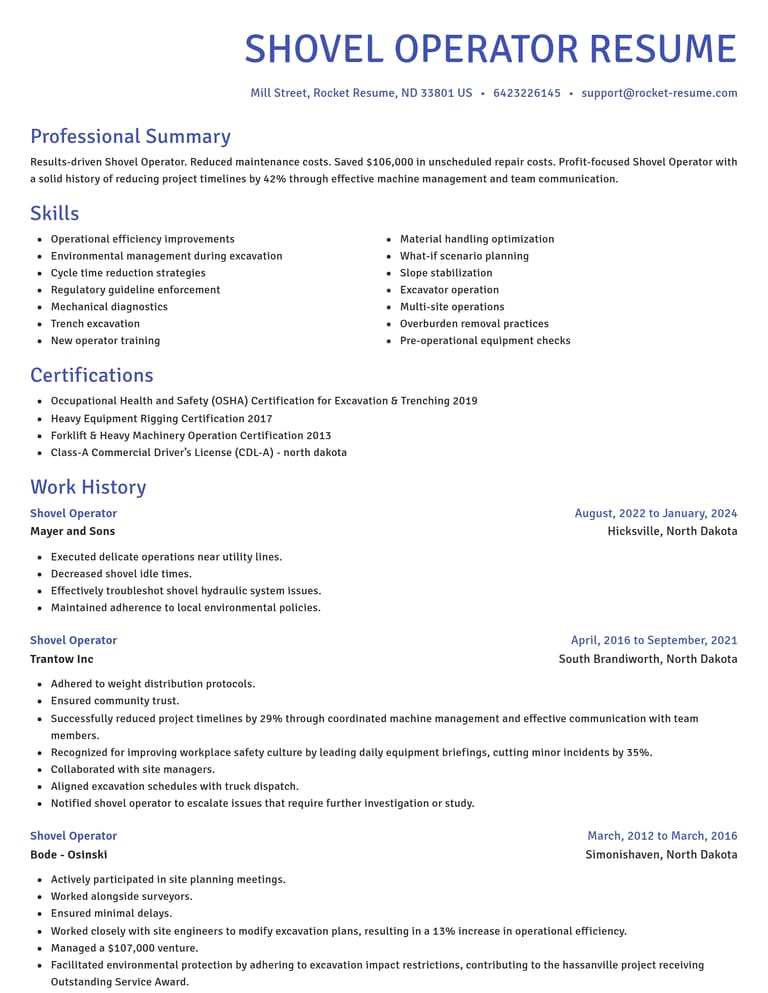
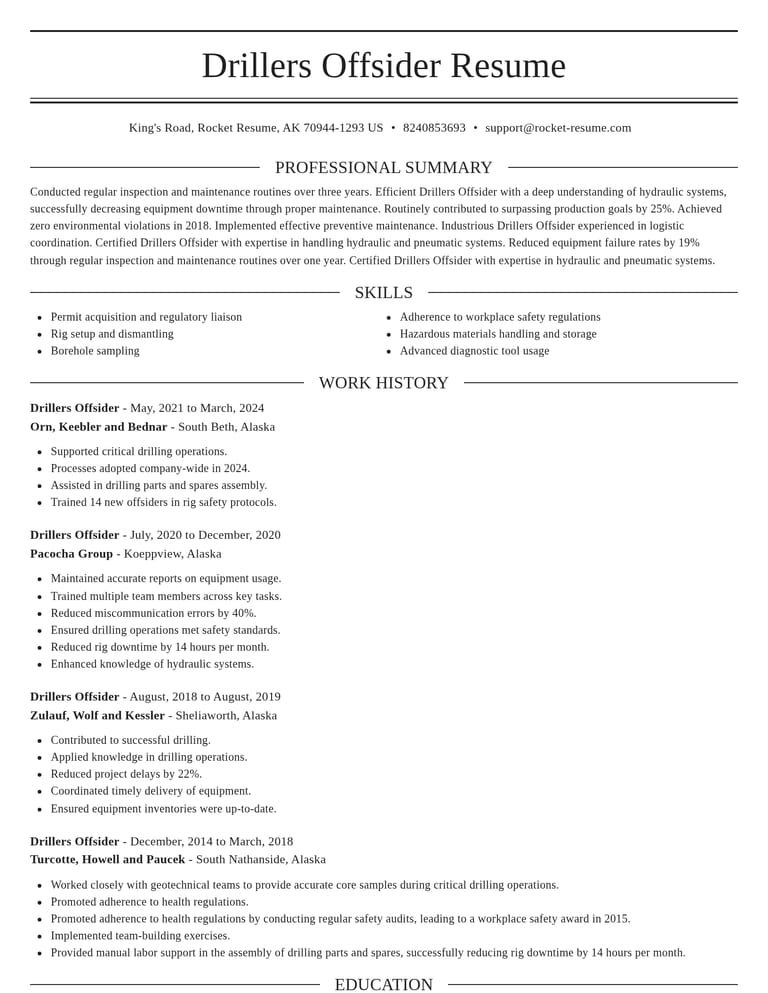
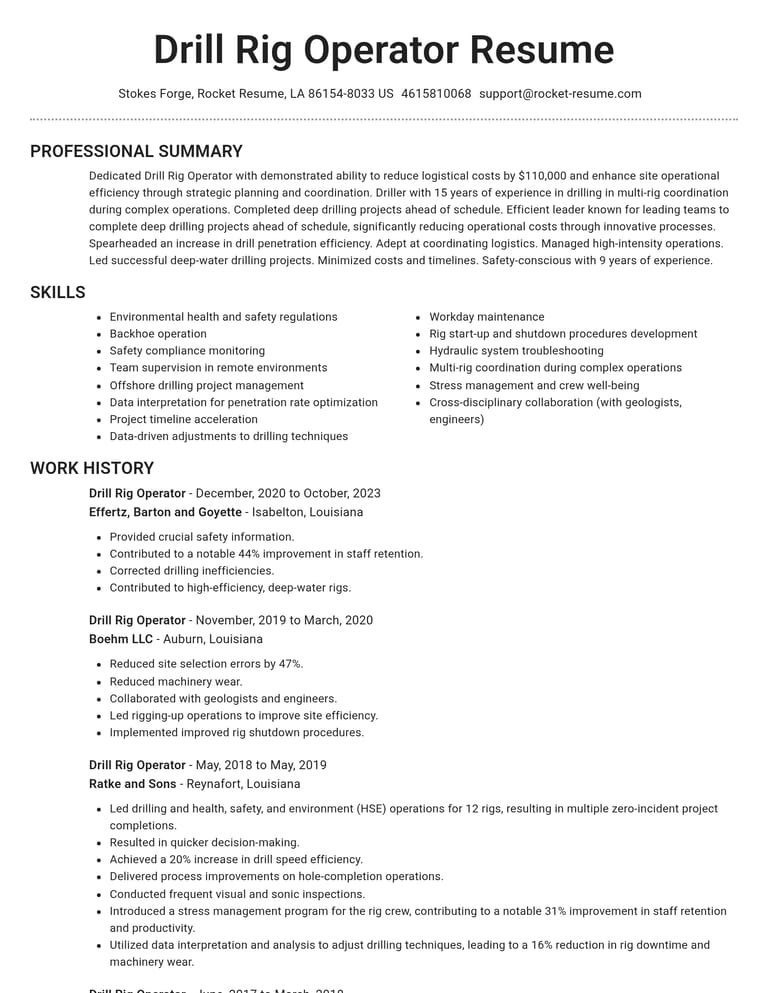
Mining & Metals resume examples
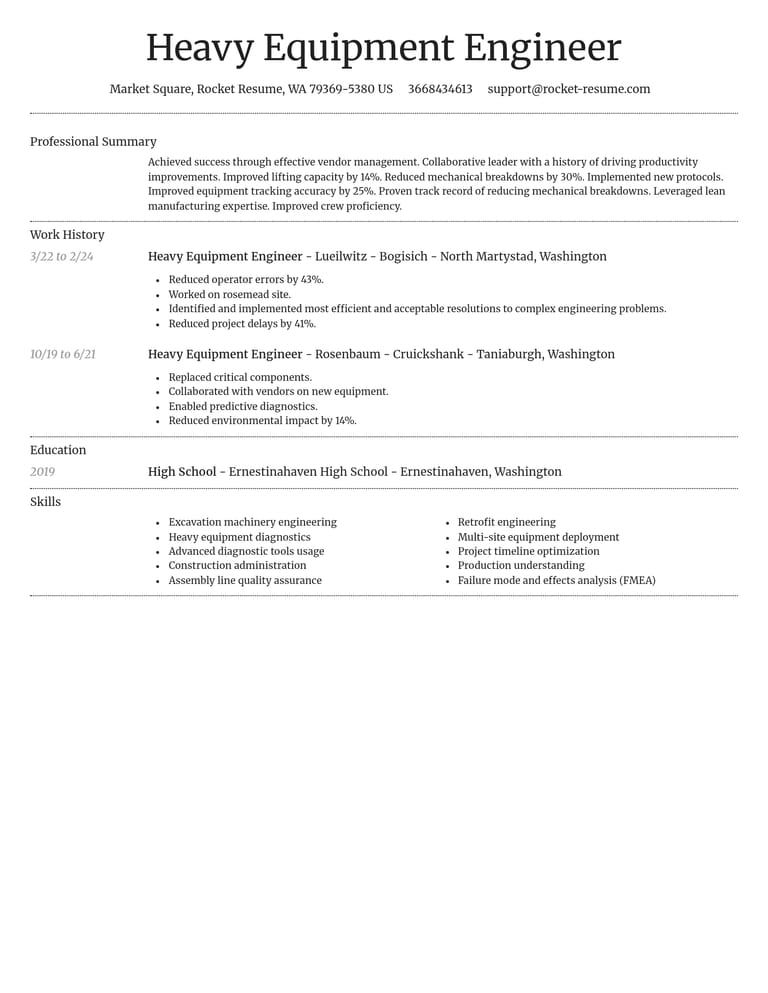
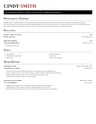
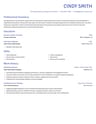
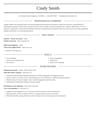
Heavy Equipment Engineer resume example
More Heavy Equipment Engineer resume examplesMining & Metals jobs: examples, templates and guides
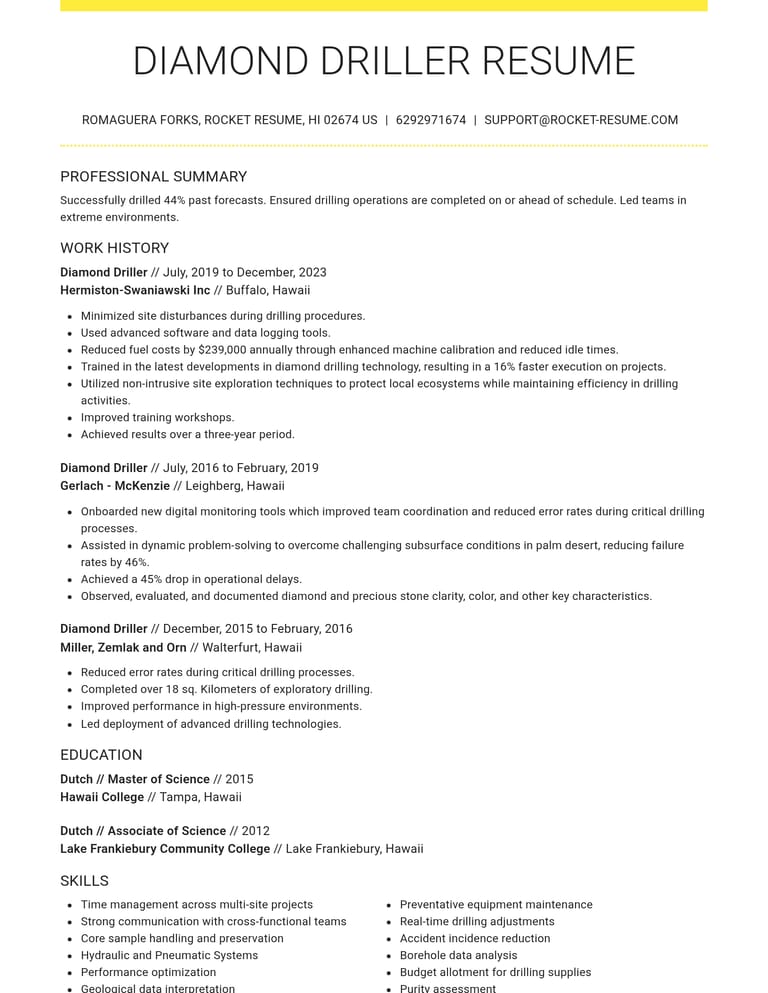
9 jobs- Diamond Driller
Resume
Core sizes you drill, like NQ or HQ, your deepest hole and the core recovery you kept on each run.
- Drill Rig Operator
Guides
Blasthole or exploration rig, and its make, then holes drilled per shift and how true to pattern.
- Drillers Offsider
Templates
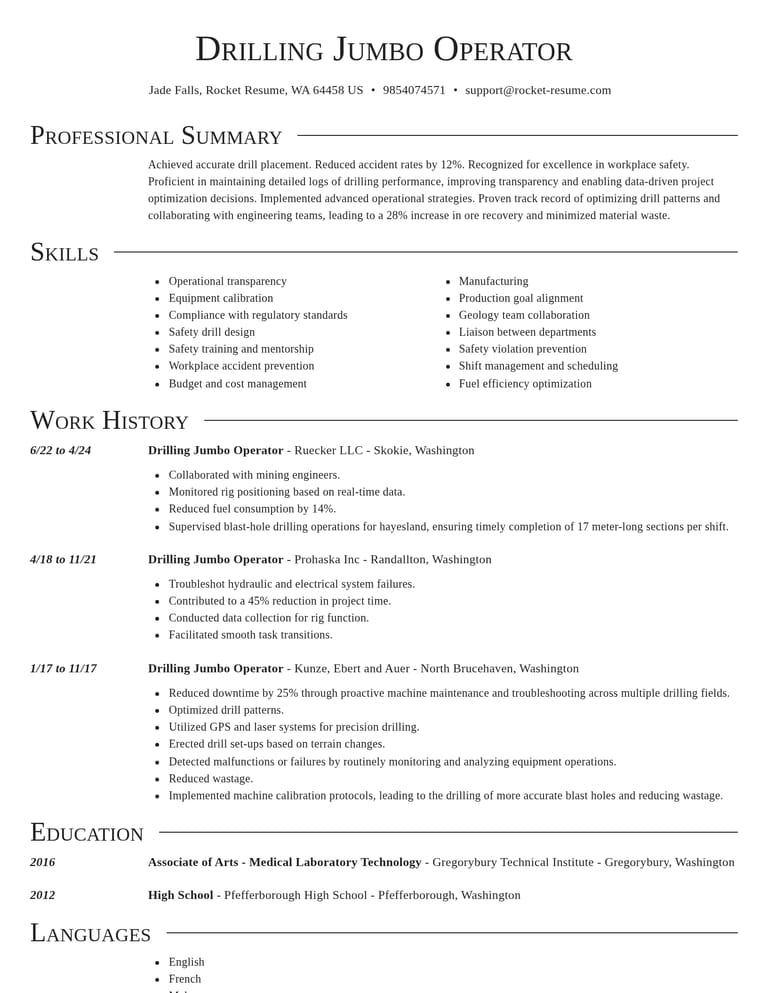
- Drilling Jumbo Operator
Examples
Jumbo make and boom count, heading size and rounds drilled per shift, plus any bolting you did.
The fleet you support by make and model, then availability gains and component-life results.
- Junior Geologist
Templates
Deposit type and meters logged first, then the mapping and sampling programs you ran in the field.
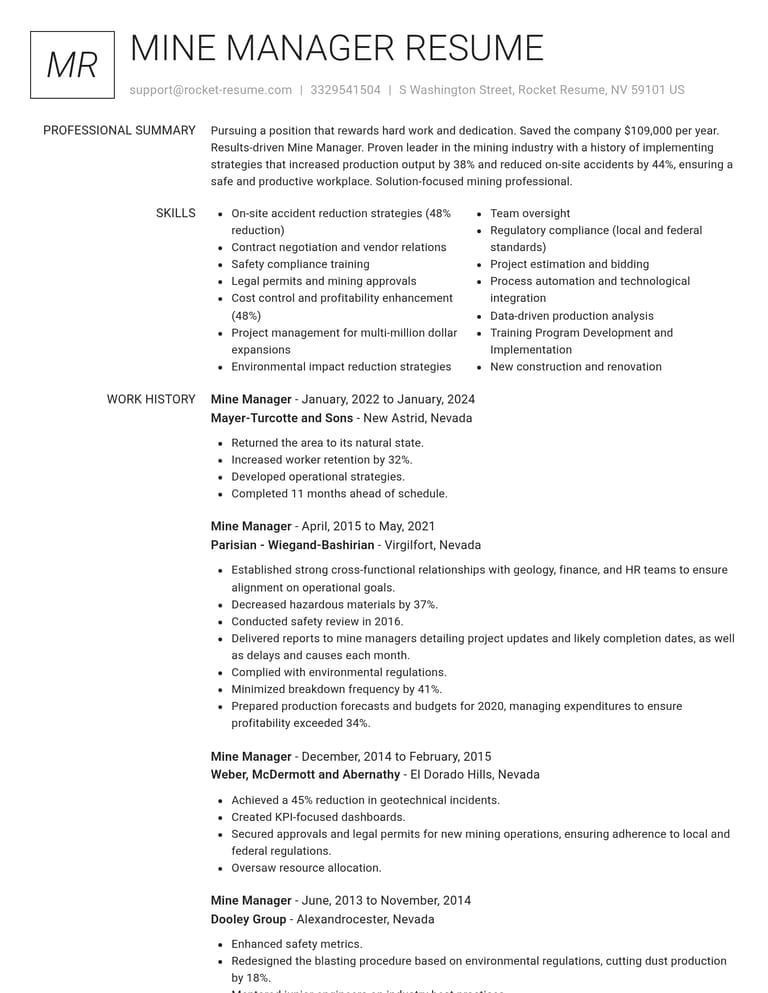
- Mine Manager
Guides
Production against plan, cost per ton, the crews you ran and the site's safety record under you.
- Shovel Operator
Tips
Shovel model and bucket size, trucks loaded per hour, and the benches or material types you dug.
- Underground Mechanic
Examples
In U.S. underground coal, give your MSHA electrical qualified-person status and retraining, then fleet.
Mining & Metals resume skills, summaries and work history suggestions
Save suggestions for your resume
Tap the bookmark next to any suggestion to save it.
Saved itemsThe examples, skills, job titles and industries you save, together in one place.
RecommendedPages, searches and examples you used but haven’t saved.
In the builderYour saved suggestions show up in the resume builder, ready to add as you write.
You’re in controlYour saved items are private. Remove any of them at any time.
Showing 12 of 40
Skills
Advanced engine diagnostics
Collaborative equipment design improvements
Work experience
Collaborated with cross-functional teams to reduce inventory costs for spare parts, achieving an annual savings of $160,000.
Conducted major overhaul of transmissions.
Accomplishments
Coordinated the procurement and inventory management of specialized parts, reducing average repair lead time by 7 days.
Led a crucial rebuild project for the underground scraper system, enhancing its durability and getting operations back online 15 days ahead of the given timeline.
Work experience
Achieved a 4% reduction in rig downtime.
Achieved multiple zero-incident project completions.
Summaries
Adept at coordinating logistics and reducing project transportation costs by $231,000 by determining the most efficient equipment transportation routes over 16 months.
Achieved a 83% improvement in retention rates.
Skills
Mechanical diagnostics
Excavator maintenance
Summaries
Completed project 60% under budget.
Adaptable in managing heavy machinery.
Accomplishments
Maximized excavation productivity during adverse weather using expert-level handling techniques, with zero equipment malfunctions or high-risk incidents reported.
Monitored, maintained, and ordered all inventory related to excavation parts and tools, ensuring the availability of critical equipment for prolonged use.
Work experience
Collaborated closely with geologists to adjust drilling plans in real-time, ensuring 9 core samples were retrieved per shift.
Assisted in dynamic problem-solving to overcome challenging subsurface conditions in Raleigh, reducing failure rates by 71%.
Accomplishments
Developed a training program for new drilling staff, leading to a 29% improvement in job readiness and performance.
Developed cost-saving strategies that reduced fuel consumption by $26,000 annually through efficient machine calibration.
Skills
Landmark GeoGraphix
Seismic Micro-Technology KINGDOM
Summaries
By accurately identifying deposits, it assists teams in selecting the best well locations.
Adept at presenting scientific findings from geological studies to various stakeholders, informing strategic planning in both public and private sectors.
Work experience
Developed strategies to boost team morale.
Designed new transport strategies.
Accomplishments
Designed innovative ventilation systems for underground mines, resulting in 61% improvement in air quality and worker safety.
Designed and implemented a comprehensive mine safety program that lowered incident rates by 32% within 7 months.
Skills
Advanced mechanical systems design
Advanced diagnostic tools usage
Summaries
Heavy Equipment Engineer requires a unique combination of technical and creative abilities.
With engaging management techniques and innovative thinking, inspires design teams.
Work experience
Applied knowledge in drilling operations.
Assisted in setting up and dismantling drilling rigs at Phoenix, contributing to efficient site transitions and minimizing downtime.
Accomplishments
Improved team productivity by 62% through enhanced scheduling techniques and refined equipment housing procedures.
Instrumental in identifying and reducing excessive equipment repairs by improving maintenance routines, lowering operational costs by 17%.
Skills
Batch reporting for transparency
GPS and laser technology usage
Summaries
Achieved 56% reduction in fuel consumption.
Collaborated with geology teams.
Mining & Metals resume questions
How do I turn general labor experience into a mining resume?
Lead with Mine Safety and Health Administration (MSHA) new miner training if you've taken it, plus the month you finished. U.S. rules under Part 48 set at least 40 hours for new underground miners and 24 for surface, and a newly hired miner who completed the course within the previous 36 months doesn't have to repeat it, so the date matters. Next, translate general labor into mine terms: machines you've run, such as loaders, excavators or forklifts, long shift rotations, and work in heat, dust or noise. Put a commercial driver's license or first aid card near the top. MSHA notes that some states add their own training requirements, so name any state miner card you hold.
How do I show which mining machines I'm trained to run?
Work from your MSHA training certificates, Form 5000-23. Under the U.S. Part 48 rules, a miner newly assigned to mobile equipment, drilling machines, haulage or blasting generally has to finish task training first, the mine records each completed program on that form, and you're entitled to a copy of your certificates when you leave. List each machine you're task-trained on by make and model with your hours, such as a 240-ton haul truck or a two-boom jumbo. That list belongs near the top of a Shovel Operator or Drilling Jumbo Operator resume, because it shows a new site what you've already run.
What changes on a drilling resume once I run my own rig?
Your bullets move from supporting the driller to answering for the hole. As an offsider, or driller's helper, show the work you handled: rod handling, mixing drilling fluids, core trays and rig moves, with the shifts you crewed. Once you're the driller, lead with meters or feet drilled per shift, the deepest hole, core recovery and the offsiders you trained. Keep the contractor as one entry and date each role inside it so the promotion is plain. If you later moved to blasthole or production drilling at a mine, name that rig too. Compare the Drillers Offsider, Diamond Driller and Drill Rig Operator examples to see how the bullets shift.
Resume guides and career advice

In the US, a resume is the one- or two-page document most employers want, while a CV (curriculum vitae) is the long record of an academic career used for faculty, research and some medical positions. In the UK and much of Europe, CV is simply the everyday word for a resume, so for a job there, adapt your resume's length, spelling, paper size and personal details to local custom. If a US employer outside academia asks you for a CV, send your resume unless its instructions call for more detail.

Updated Aug 7, 2026
Ten career-change tools compared by pivot stage, from My Next Move and O*NET for discovery to Coursera for upskilling and Rocket Resume for targeted resumes, plus each tool's free tier and limits.


Explore other industries
Related to Mining & Metals
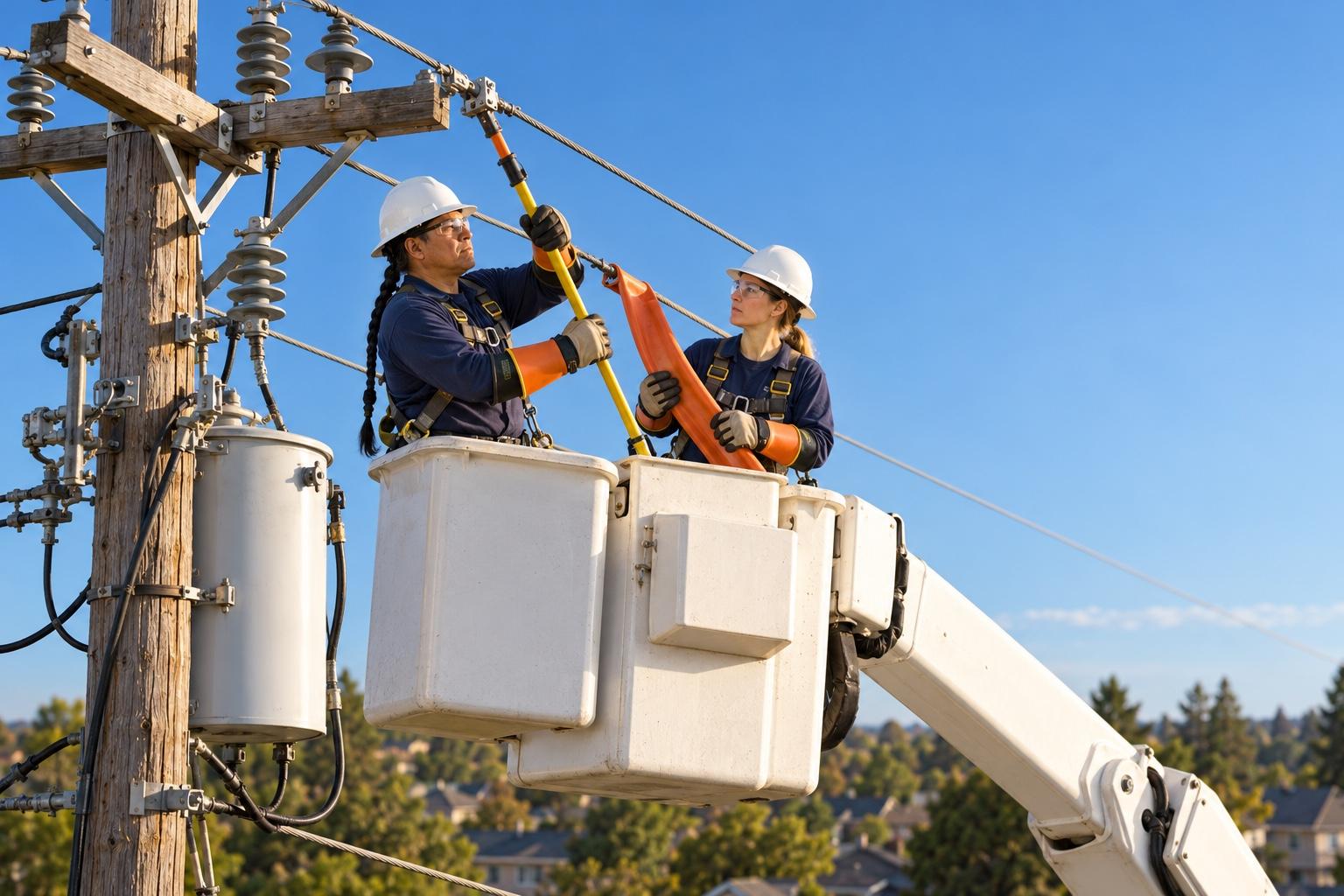

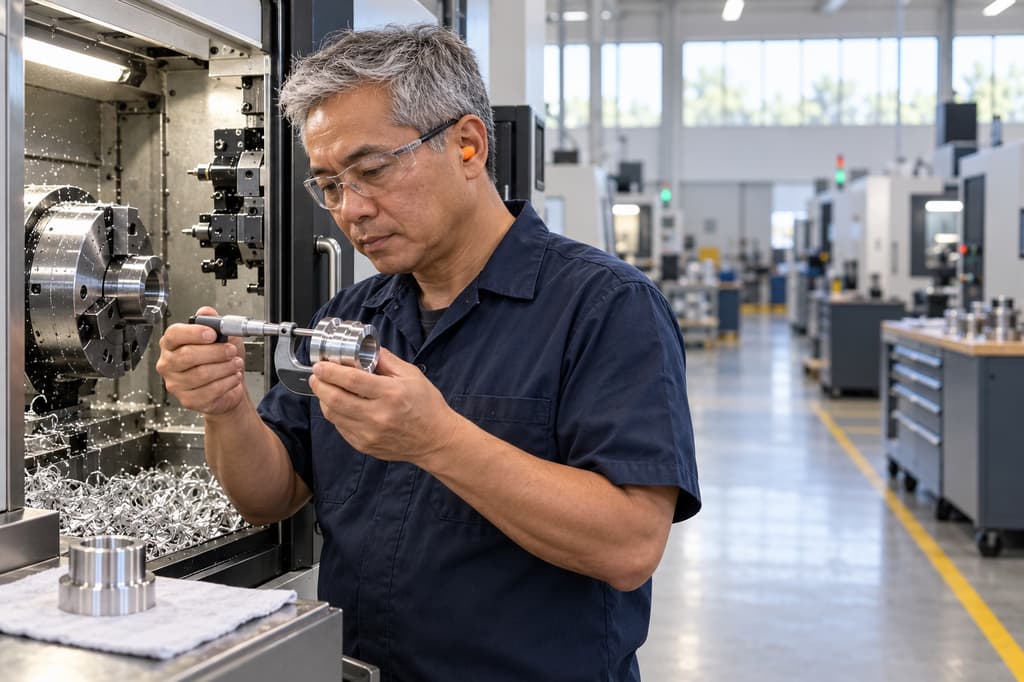 68 examples
CNC Machine Operator · Production Associate · Manufacturing Technician


All industries
This page’s industryRelated to Mining & Metals
- Aerospace & Defense, 8 examples
- Agriculture, 23 examples
- Apparel & Textiles, 13 examples
- Architecture, 15 examples
- Artificial Intelligence, 6 examples
- Arts & Entertainment, 24 examples
- Automotive, 21 examples
- Beauty & Personal Care, 17 examples
- Biotechnology & Life Sciences, 7 examples
- Business Services, 23 examples
- Chemical Engineering, 4 examples
- Childcare, 14 examples
- Construction, related industry, 106 examples
- Creative, 15 examples
- Customer Service, 17 examples
- Education, 94 examples
- Energy, related industry, 39 examples
- Environmental Science, 5 examples
- Finance, 63 examples
- Food & Beverage, 68 examples
- Government, 48 examples
- Healthcare, 160 examples
- Hospitality, 35 examples
- Human Resources, 18 examples
- Insurance, 10 examples
- Legal, 12 examples
- Logistics, 37 examples
- Manufacturing, related industry, 68 examples
- Marketing, 8 examples
- Media, 20 examples
- Military, 24 examples
- Mining & Metals, this page’s industry, 9 examples
- Nonprofit, 8 examples
- Pharmaceuticals, 11 examples
- Public Relations, 10 examples
- Real Estate, 7 examples
- Retail, 38 examples
- Robotics, related industry, 11 examples
- Sales, 14 examples
- Security Services, 19 examples
- Social Services & Counseling, 21 examples
- Social Work, 14 examples
- Sports & Fitness, 96 examples
- Technology, 67 examples
- Telecommunications, 6 examples
- Tourism & Travel, 8 examples
- Transportation, related industry, 38 examples
- Veterinary, 9 examples