Biotechnology & Life Sciences resume examples for lab and QC roles
Research associate, QC analyst or bioprocess operator: tie each method, from PCR to cell culture, to the experiment or batch you used it on.
- Resume examples for 7 biotechnology & life sciences jobs
- Professional resume templates
- Easy editing as you go
How to write a biotechnology & life sciences resume
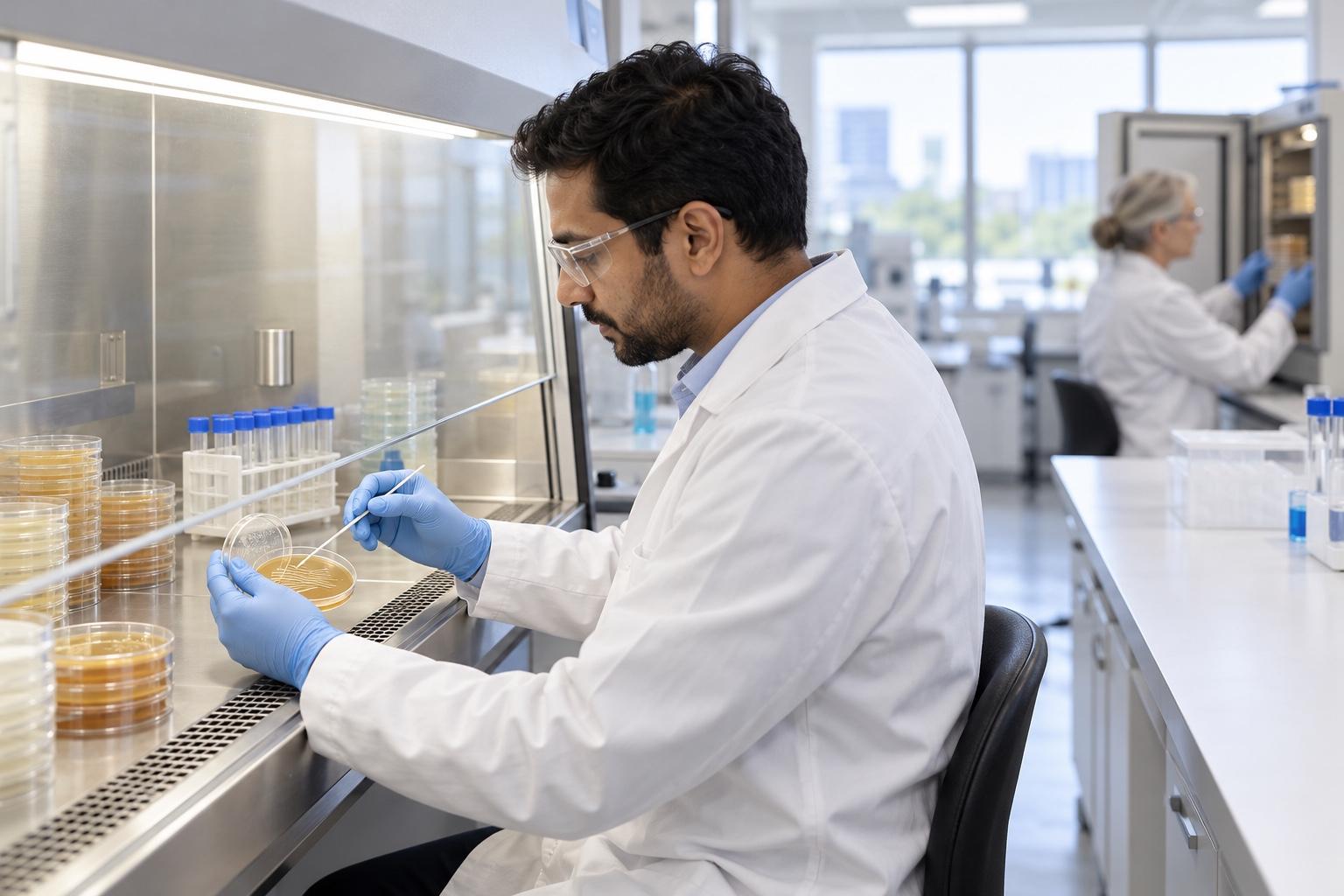
Lab employers want to see how you used your training, not just which techniques you know. A biotechnology resume does that by tying each method to a research question, a lab duty or a production task. Pick experience that fits the job you want next, such as research support, quality control or manufacturing. Then explain your part clearly enough for a hiring manager outside your project to follow, whether it came from a job, an internship or a senior research project. The Bureau of Labor Statistics profile of biological technicians describes work that includes preparing samples, running tests and recording procedures and results.
A lab manager may not be able to tell what you did at the bench if:
- Methods are listed without the research question or task behind them.
- Your own part is hard to separate from the lab team's work.
- Academic research and paid lab work look the same on the page.
Tie each method to the purpose of the work
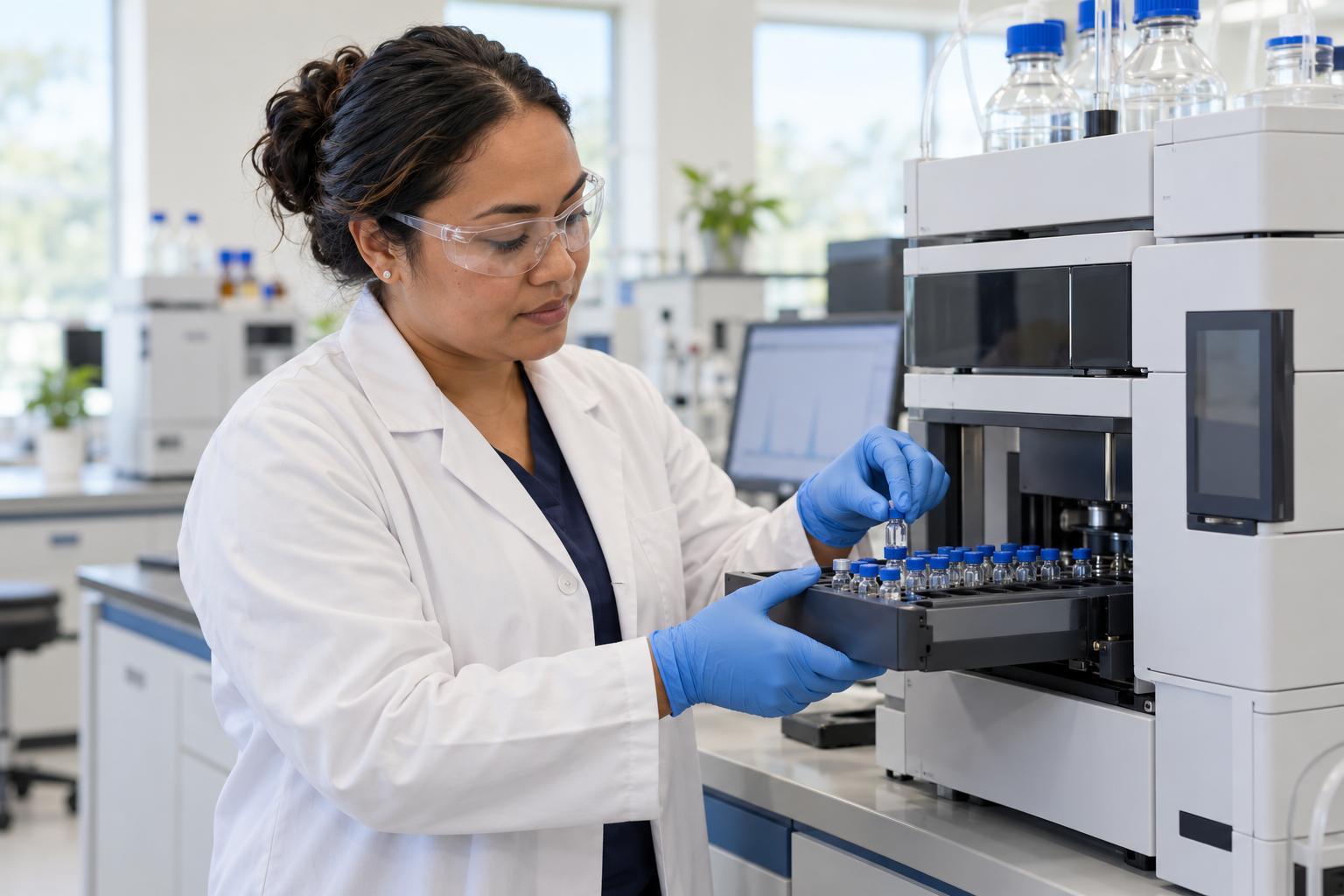
Start with the kind of role you want: lab support, research, process development or manufacturing. Then describe a project by the question it asked, your methods and your own share of the work. A long list of techniques says little about how you applied them. The resume examples from research associates and QC analysts show how others frame similar work, and the life sciences job titles help you name your target.
Build My Biotechnology & Life Sciences ResumeStart the builder's work history step with a project you know inside out. Pick the suggestions that fit, then add the methods, duties and findings you could walk an interviewer through.
Separate what you designed from what you ran
Be clear about ownership. Separate experiments you designed from protocols you followed, data you analyzed and work you supported. Add a result, a finished deliverable or a documented fix when you can state it accurately. The suggestions for lab and research work are a place to start; edit them to fit your own protocols.
From a research associate's resume:
“Ran ELISA assays on about 300 serum samples a month and traced plate-to-plate drift to a single reagent lot.”
Build My Biotechnology & Life Sciences ResumeThe builder gives you room to explain your role in an experiment or process. Name the method you used and the analysis or deliverable you finished, and make clear which decisions were yours and which the team shared.
Label internships and academic research
Applying for your first lab job? A thesis, internship or lab course project counts as bench experience. Say which one it was and include the methods the job description asks for. Keep publications and posters selective unless the employer asks for a full academic record. For more help starting a lab career, see the articles on life sciences careers.
A thesis or internship can support a first biotech application without being dressed up as a staff scientist job. Add its setting in the builder, then explain the methods you ran and the findings or records you helped produce.
List your methods, then show them at work
Your skills section is the home for techniques like qPCR, flow cytometry or HPLC; your project entries are where those methods do something. Keep publication details short and follow any instructions in the application. Templates with space for lab skills and projects make that split easy to see. Applying to pharma or hospital labs as well? Look through the related industries.
Build My Biotechnology & Life Sciences ResumePick a template in the builder and watch the live preview as you fill in skills and projects. If the methods list starts to crowd out your experience, trim it to the techniques this job asks for.
How Rocket Resume helps
Rocket Resume lets you build the lab and research parts of your resume step by step:
- Say why you used it. Connect a lab method to the research question or task you used it for, in your project or job entry.
- Show your part. Edit the suggested description to show the experiment, sample prep or analysis you performed within the team's work.
- Label academic research. Use separate entries for academic research and paid positions, naming the supervision or responsibility attached to each.
Four builder steps for a lab resume:
- Choose a template. Pick a template with a separate skills area so instruments and assays don't crowd your projects.
- Add lab jobs. Describe your lab, research and production jobs in the work history step.
- Pick lab skills. Choose skill suggestions for the methods, instruments and analysis work you know.
- Sum up your bench work. In two or three sentences, name your lab setting, core methods and the kind of role you want next.
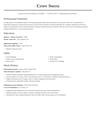
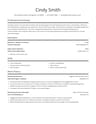
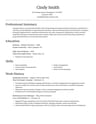
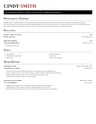
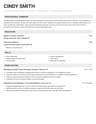
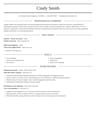
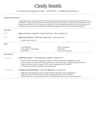
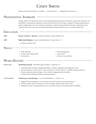
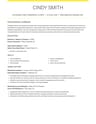
Biotechnology & Life Sciences resume templates recruiters love
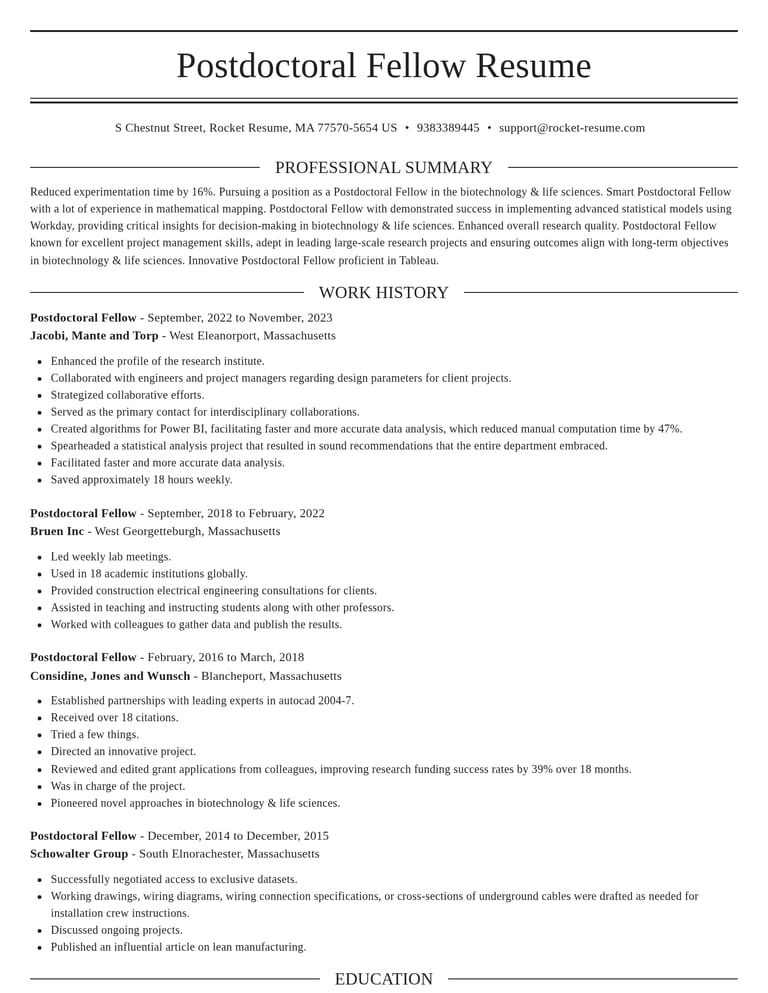
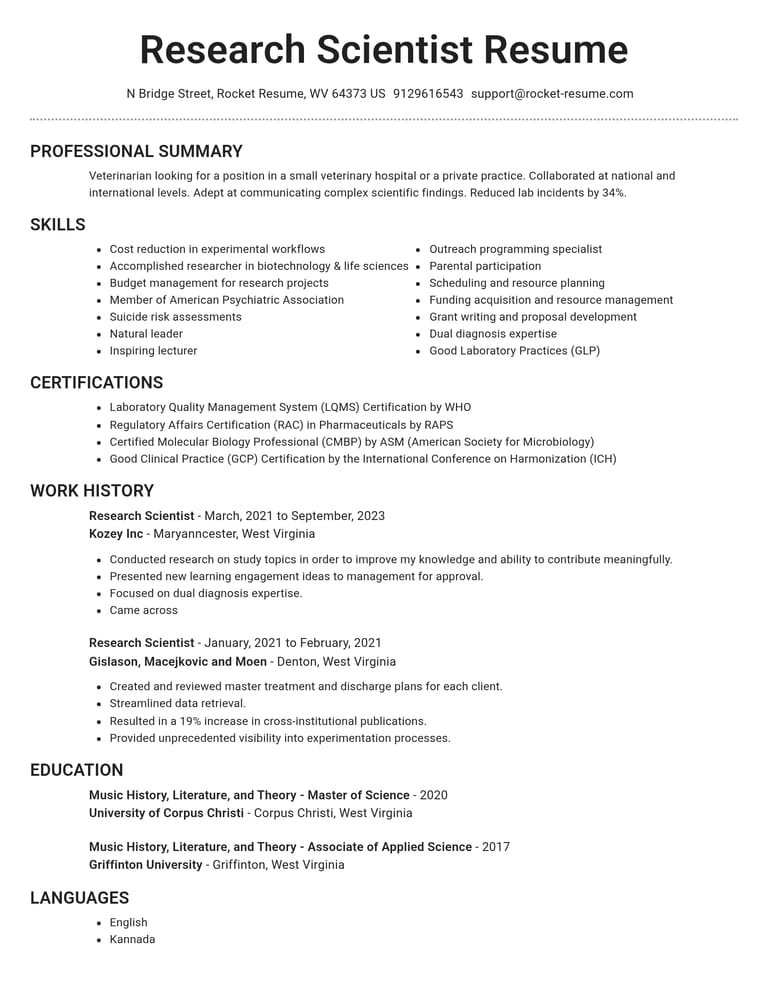
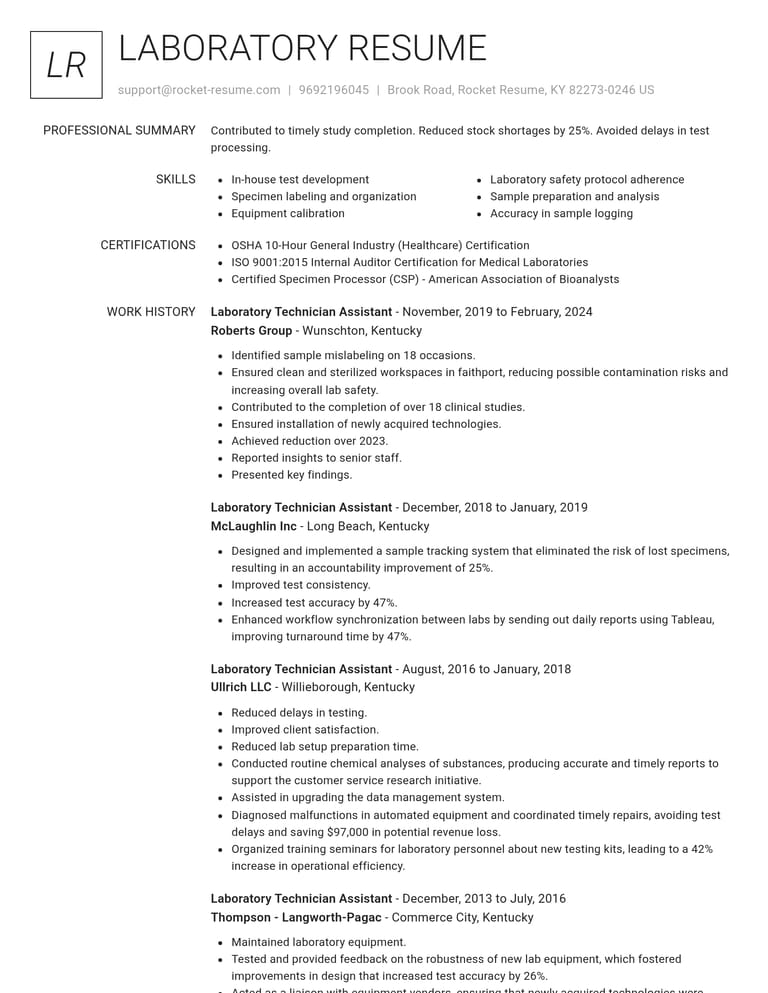
Biotechnology & Life Sciences resume examples
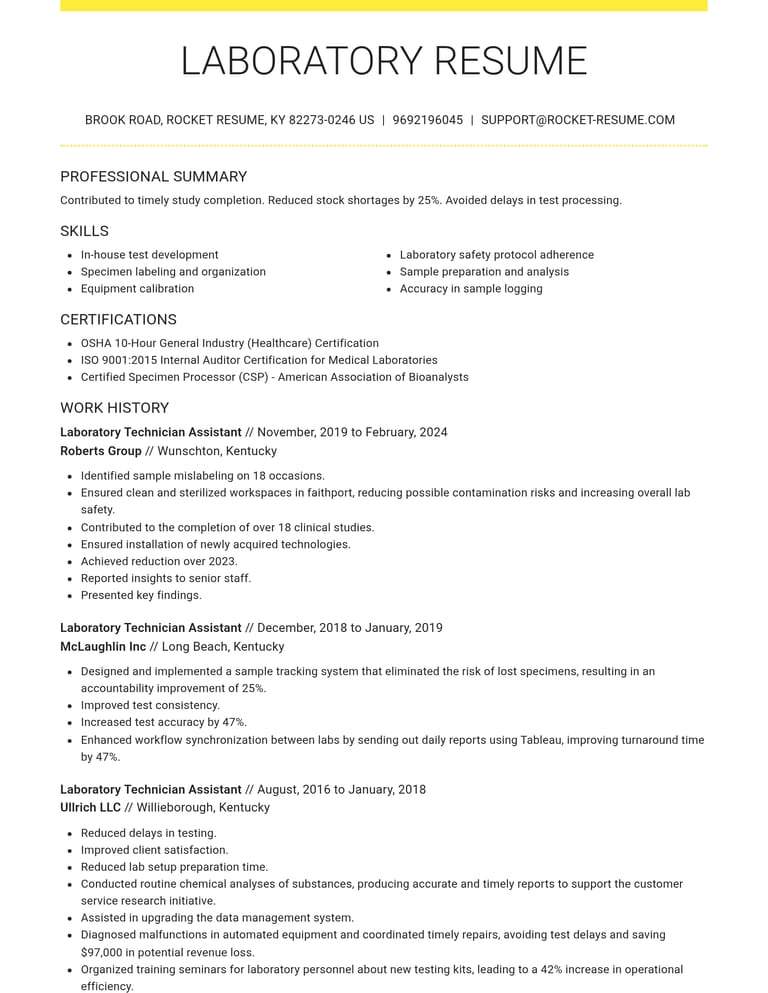
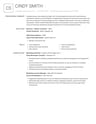
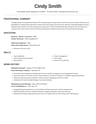
Laboratory Technician Assistant resume example
More Laboratory Technician Assistant resume examplesBiotechnology & Life Sciences jobs: examples, templates and guides
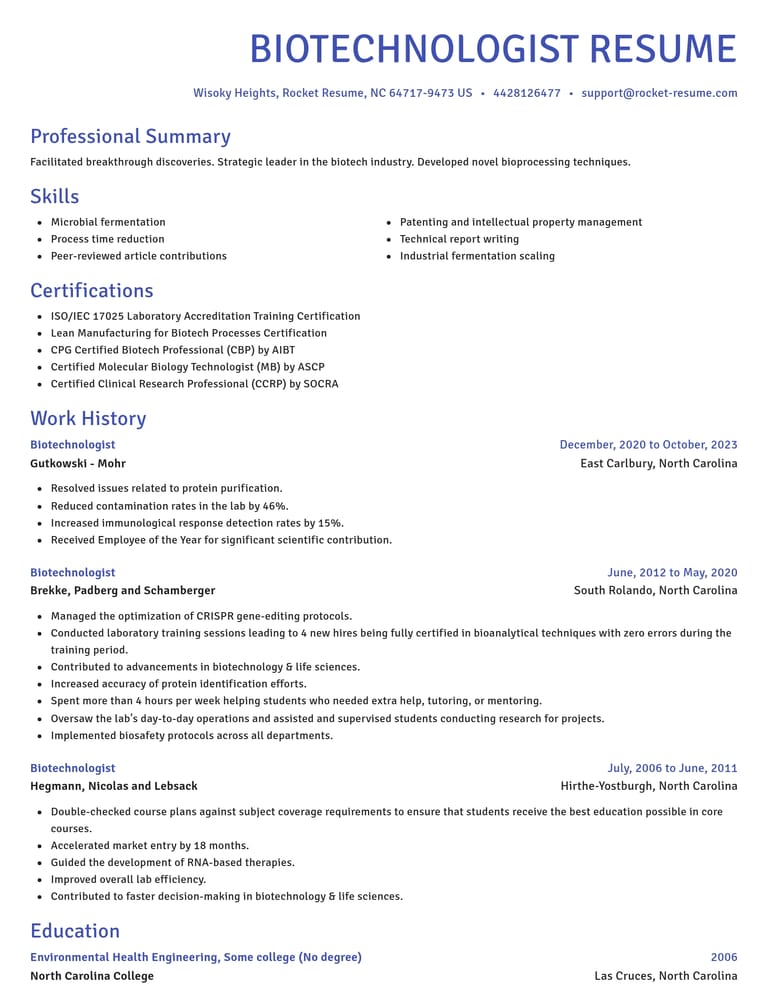
7 jobs- Biotechnologist
Tips
Platform first, like CHO expression or CRISPR editing, then the yield or titer you reached.
List the prep you own, from buffers and media to autoclaving and stock checks, and who relied on it.
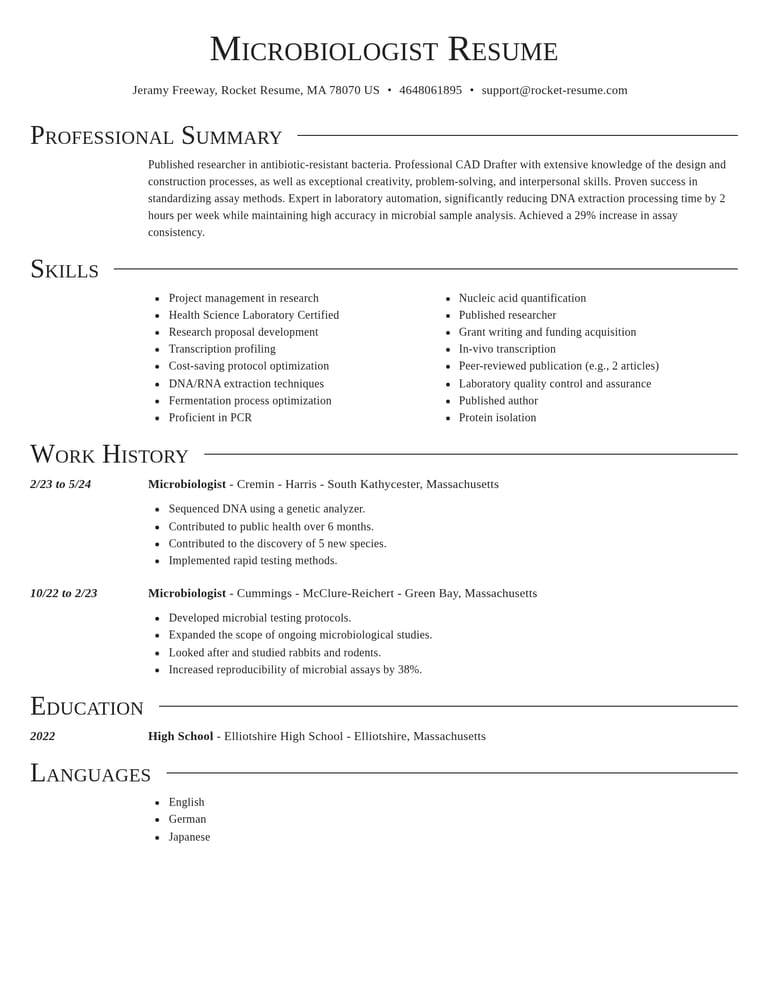
- Microbiologist
Examples
Give the organisms you culture and the highest biosafety level you've worked at, such as BSL-3.
- Postdoctoral Fellow
Templates
Note any fellowship you won, such as an NIH F32 award, then the project it funded and its papers.
Open with one result your team acted on, plus the assay or model you designed to get it.
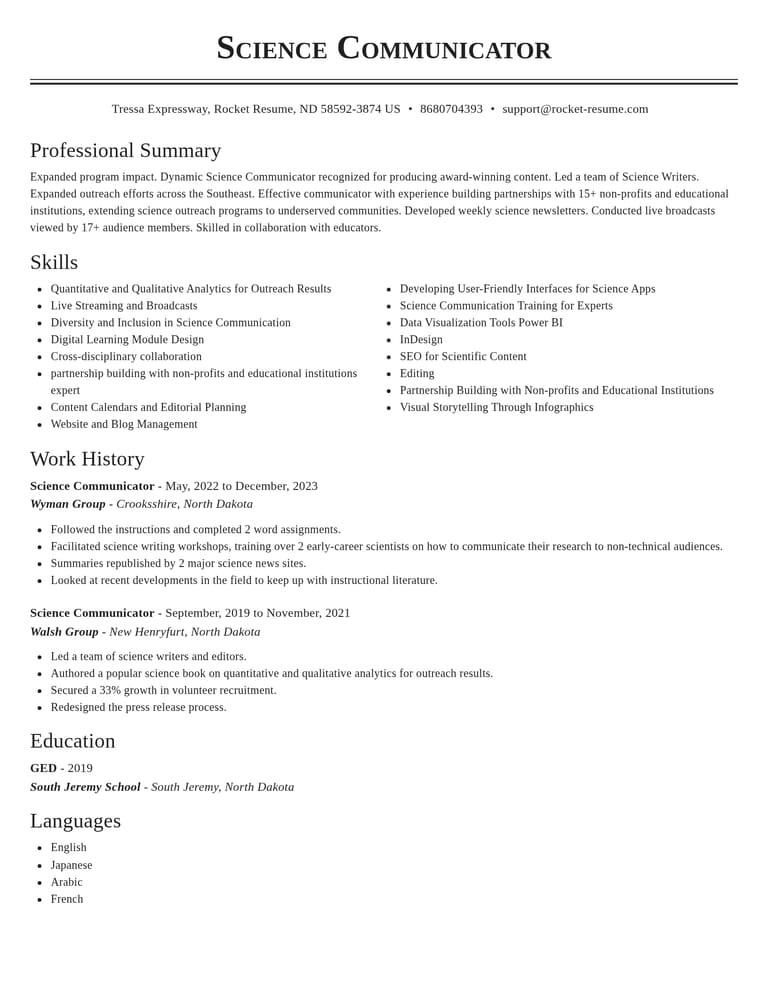
- Science Communicator
Resume
Link two or three published pieces and name each one's audience: press, policymakers or patients.
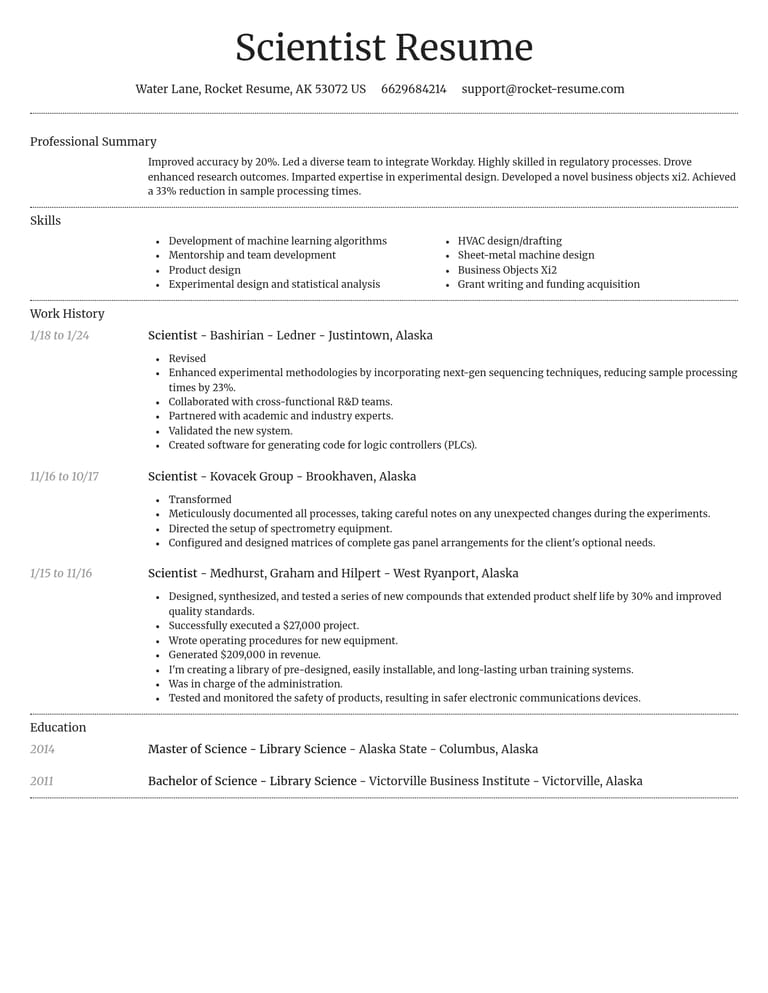
- Scientist
Examples
Tie your work to a program stage, discovery, preclinical or process, and decisions your data drove.
Biotechnology & Life Sciences resume skills, summaries and work history suggestions
Save suggestions for your resume
Tap the bookmark next to any suggestion to save it.
Saved itemsThe examples, skills, job titles and industries you save, together in one place.
RecommendedPages, searches and examples you used but haven’t saved.
In the builderYour saved suggestions show up in the resume builder, ready to add as you write.
You’re in controlYour saved items are private. Remove any of them at any time.
Showing 12 of 40
Skills
Compound optimization
Specific research projects
Work experience
Kept track of research findings, as well as analyzing and evaluating the outcomes.
Kept track of all the analytics data I gathered during my research.
Summaries
Research and presentations were organized to educate students, peers, and superiors on research analysis.
Postdoctoral Fellow with a strong desire to make a difference in the field of research.
Work experience
Streamlined research processes to meet multiple project deadlines.
Raised public awareness about diseases that can be transmitted from animals to humans.
Summaries
Exceptional at keeping work areas and equipment clean and well-maintained.
Dedicated to enhancing clients' well-being.
Accomplishments
Identified and implemented cost-saving measures through process optimization in lab operations, resulting in a 37% reduction in material waste.
Collaborated with interdisciplinary teams to integrate CRISPR-Cas9 technology into Biotechnology & Life Sciences, pioneering developments in Biotechnology & Life Sciences.
Skills
Clinical test result documentation
Hazardous chemical handling protocols
Work experience
Accurately handled 5 specimen requests.
Communicated missing or insufficient samples.
Accomplishments
Regularly collaborated with cross-functional teams, improving communication and ensuring 31% tests were delivered on time.
Tested and provided feedback for new analytical software, contributing to a 82% increase in overall operational efficiency.
Work experience
Achieved a 68% increase in targeted gene expression efficiency.
Assessed how well students understood material covered in each class using well-designed tests, quizzes, and projects, and assigned fair and equitable grades based on performance.
Summaries
Biotech professional with experience in laboratory automation.
Biotech professional with experience in modern laboratory automation, leveraging ServiceNow to streamline workflows and significantly reduce manual input errors.
Skills
Email Newsletter Creation and Distribution
InDesign
Work experience
Achieved a 23% increase in followers.
Communicated updates to stakeholders.
Accomplishments
Designed a comprehensive data visualization toolkit for effectively communicating research outcomes to non-science stakeholders.
Organized 8 science communication workshops, training participants on effective storytelling and public speaking to a range of audiences.
Skills
Mentoring and training junior microbiologists
Multilingual scientific communication (e.g., Portuguese)
Summaries
Extremely knowledgeable about the overall operation and maintenance of a laboratory.
Microbiologist with extensive experience seeking to improve the scientific community by conducting accurate research while adhering to laboratory safety protocols and standards.
Accomplishments
Designed a real-time PCR assay for the detection of pathogenic bacteria, reducing diagnostic turnaround time from 17 hours to 18 hours.
Led a 11-person team responsible for microbial contamination studies, promoting efficiency and increasing throughput by 75% within the first year.
Skills
Assay development
Statistical expertise
Summaries
Writing and interpersonal skills are strong points.
Process improvement is a strong suit for this gifted individual.
Accomplishments
Optimized experimental designs using multivariate data analysis, resulting in a 32% increase in data interpretation speed and reliability.
Developed a comprehensive data reporting system leveraging statistical and machine learning techniques, increasing result interpretation efficiency by 84%.
Biotechnology & Life Sciences resume questions
How do I list publications on a biotech resume?
Give publications their own section after your experience, newest first, in the citation style your field uses, with your name in bold so a reader can spot your author position. End each entry with its DOI. Label anything not yet peer reviewed: NIH requires grant applicants who cite a preprint to include its DOI and the object type, such as "Preprint," and a resume reader deserves the same clarity.
Add your ORCID iD to the header. ORCID describes it as a unique, persistent identifier for researchers, so a hiring scientist can open your whole record. With a long list, keep the five most relevant entries and point to ORCID for the rest.
Which lab techniques belong on a biotech resume?
Pair each technique with the system you ran it in, as in "CRISPR knockouts in HEK293 cells" or "western blots imaged on a LI-COR Odyssey," so a reader sees depth rather than a keyword list. Then add the conditions you're trained for. The Centers for Disease Control and Prevention (CDC) describes four biosafety levels, BSL-1 to BSL-4, each building on the controls of the one below, so name the highest you've worked at. For animal studies funded by the U.S. Public Health Service, an Institutional Animal Care and Use Committee (IACUC) must confirm that the people doing procedures are trained in them, so list each species and procedure you've been trained on.
How do I list a patent on a resume?
Give granted patents and pending applications separate entries, because they mean different things. For a granted patent, write the title, the patent number and the issue date, and add "co-inventor" if you shared it. For an application, use its application or publication number and the word "pending." The U.S. Patent and Trademark Office (USPTO) says "patent pending" has no legal effect: it tells the public an application has been filed, and protection starts once a patent is granted. Keep patents in their own section or beside publications, and tie each to an experience bullet about the work behind it.
How do I rewrite a postdoc CV as an industry resume?
Write the postdoc as a job you did, not a training slot. A 2007 NIH and NSF definition describes a postdoc as someone with a doctorate in a temporary, defined period of mentored advanced training, yet a hiring manager reading a Postdoctoral Fellow entry wants the work: the question you owned, the method you built and what came of it.
Cut teaching or committee bullet points unless the posting asks for them, and add work a company would recognize, such as a method another lab adopted or a project with an industry partner. Then aim your summary at the title you want next, such as Scientist at a company or Research Scientist at an institute, using the posting's own terms.
Resume guides and career advice

Updated Oct 25, 2026
Get practical research skills resume guidance with examples, skills, keywords, and writing tips to help you build a stronger job-ready resume.

Start by deciding which document you need: a job CV for most jobs outside North America, an academic CV for faculty, research and grad school applications, or a resume for other jobs in the US and Canada. List everything newest first, keep most job CVs to two pages and let an academic CV run as long as your record needs. Show what you achieved in each role with numbers you can back up, tailor the CV to each application and send it as a PDF unless the employer wants a Word file.


Explore other industries
Related to Biotechnology & Life Sciences
 6 examples
Machine Learning Engineer · Data Scientist · Computer Vision Engineer
 11 examples
Clinical Research Associate · Pharmacovigilance Specialist · Aseptic Filling Operator



All industries
This page’s industryRelated to Biotechnology & Life Sciences
- Aerospace & Defense, 8 examples
- Agriculture, related industry, 23 examples
- Apparel & Textiles, 13 examples
- Architecture, 15 examples
- Artificial Intelligence, related industry, 6 examples
- Arts & Entertainment, 24 examples
- Automotive, 21 examples
- Beauty & Personal Care, 17 examples
- Biotechnology & Life Sciences, this page’s industry, 7 examples
- Business Services, 23 examples
- Chemical Engineering, 4 examples
- Childcare, 14 examples
- Construction, 106 examples
- Creative, 15 examples
- Customer Service, 17 examples
- Education, 94 examples
- Energy, 39 examples
- Environmental Science, 5 examples
- Finance, 63 examples
- Food & Beverage, 68 examples
- Government, 48 examples
- Healthcare, related industry, 160 examples
- Hospitality, 35 examples
- Human Resources, 18 examples
- Insurance, 10 examples
- Legal, 12 examples
- Logistics, 37 examples
- Manufacturing, 68 examples
- Marketing, 8 examples
- Media, 20 examples
- Military, 24 examples
- Mining & Metals, 9 examples
- Nonprofit, 8 examples
- Pharmaceuticals, related industry, 11 examples
- Public Relations, related industry, 10 examples
- Real Estate, 7 examples
- Retail, 38 examples
- Robotics, 11 examples
- Sales, 14 examples
- Security Services, 19 examples
- Social Services & Counseling, 21 examples
- Social Work, 14 examples
- Sports & Fitness, 96 examples
- Technology, 67 examples
- Telecommunications, 6 examples
- Tourism & Travel, 8 examples
- Transportation, 38 examples
- Veterinary, 9 examples