College CV builder for
Build a student CV around your course, placements and part-time work. Use examples to describe your experience and choose a layout that keeps it clear.
- Build your CV one section at a time
- Editable suggestions for your experience
- Move your degree above your work history
- Clear designs for graduate applications

Danny
Apr 2023
“I'll recommend it to friends and family.”

Dayani F.
Jan 2025
“Everything about this tool is amazing, I love it”

Kelvin P.
Jul 2025
“You guys were amazing, I got a new job.”

John W.
Nov 2022
“You made my resume professional”
from 3,900+ reviews


How to write a CV at college or university
This guide covers a job CV for students at college or university, with UK examples. Choose evidence that fits the vacancy: a placement project for a graduate role, or customer service experience for a term-time job. If an application asks for an academic CV, follow its instructions for research, publications and other academic work.
What goes on a student or graduate CV?
Start with these sections and keep the ones that help your application. Put your name, phone number, email and town at the top.
- Personal statement, if useful: a short introduction connecting your course or experience to the job, written in the summary step
- Education: course title, university or college, the year you graduate and your classification or predicted grade
- Work experience: placements, internships, part-time jobs and volunteering, newest first, each entered in your work history
- Positions of responsibility: society committee roles, team captaincy, course rep or student ambassador work, in the optional Affiliations section
- Skills and interests: software, lab techniques and languages with a level in the skills step, and an interest or two under Additional Information
Each design in the CV templates below handles margins and spacing, so a page full of modules, jobs and societies still looks neat.
How do I list my degree, modules and dissertation?
Give your degree its own education entry. Use its official title, institution and graduation date, and label a predicted result clearly. Add relevant modules and explain your own work on a dissertation: the question, method and result. Keep earlier qualifications brief unless the application asks for more detail.
At a further education college, use the full name of your qualification, such as a BTEC, T Level or Access to HE Diploma. Separate predicted results from achieved grades. You can move education higher on the preview while your course is your strongest point, and back once a placement says more. Our how to write a CV article explains the other sections one at a time.
How do I describe a placement, internship or part-time job?
Treat each one as a proper job: your title, the employer, the town and your start and end months. Give a year in industry the most room, with a few bullet points on your projects and their results. Part-time shifts count too. Closing the bar on a busy night or keeping a checkout queue moving shows teamwork, communication and a strong work ethic, three of the skills in our article on what employers want from graduates. Back each skill with something you did, and see how people in your field phrase theirs in the examples by industry.
What counts as a position of responsibility?
Society committee work, course representation and student ambassador roles can show responsibility. Explain what you handled rather than relying on the title. As treasurer, for example, describe the records you kept or spending you tracked. Add these roles under Affiliations and keep the details relevant. The research on application volumesis general hiring context. For a leadership question on an application, choose a real situation where your actions made a difference.
What should international students add to a UK CV?
Describe your qualifications clearly and include language skills where they matter to the job. If an application asks about your right to work, check your current permission before answering. A CV statement is not proof of permission. The questions below explain how to handle that question. For term-time work, check your permitted working conditions before committing to a schedule.
Build a graduate-ready CV with Rocket Resume
Add your placements and part-time work, then your education, skills and a short summary if it helps. Use relevant suggestions as a starting point and edit them to fit your experience. Optional sections give you room for society roles and other work outside your course.
- Say where your work history stands, then pick a design to start from.
- Enter placements, internships and part-time jobs, latest first, keeping the examples that fit. Then add your degree, with modules in its details.
- Edit each line until it reads like you, add society roles under Affiliations, and drag education higher on the preview if your degree says more.
- Read the preview carefully, then download your CV and send it.
CV designs for placements and graduate jobs
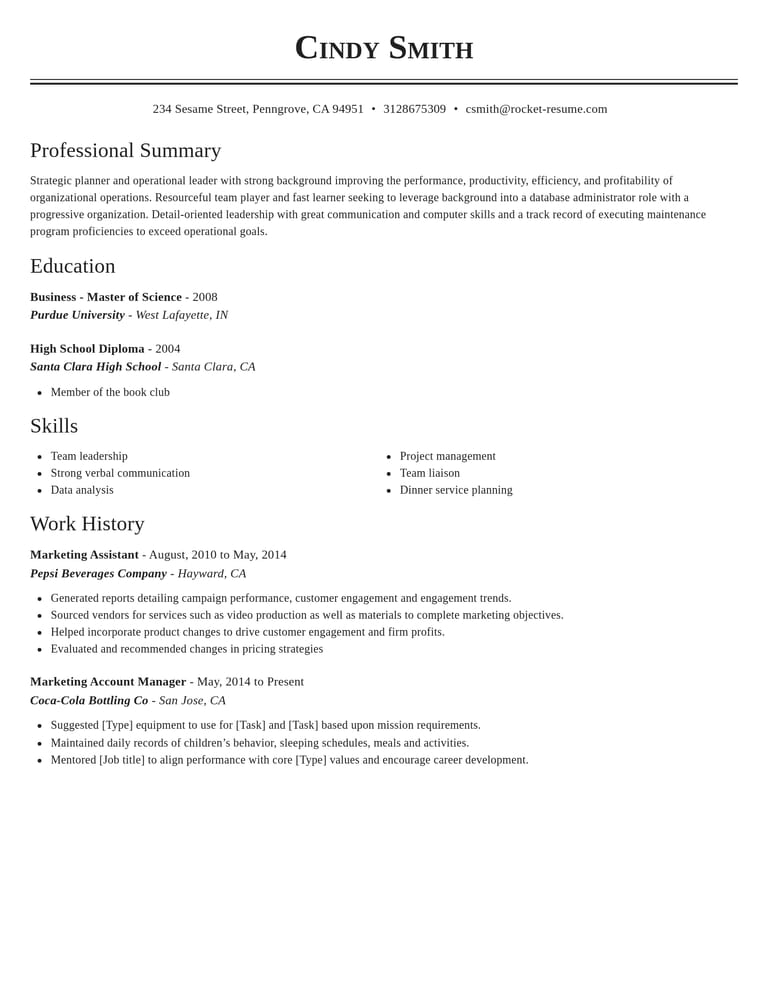
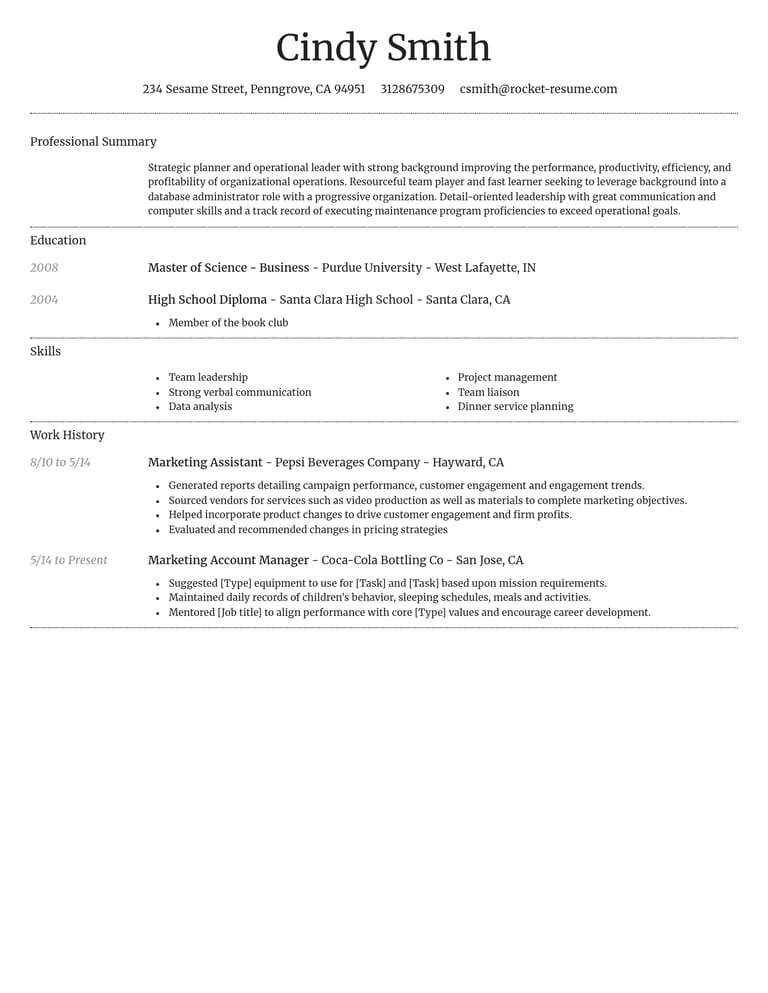
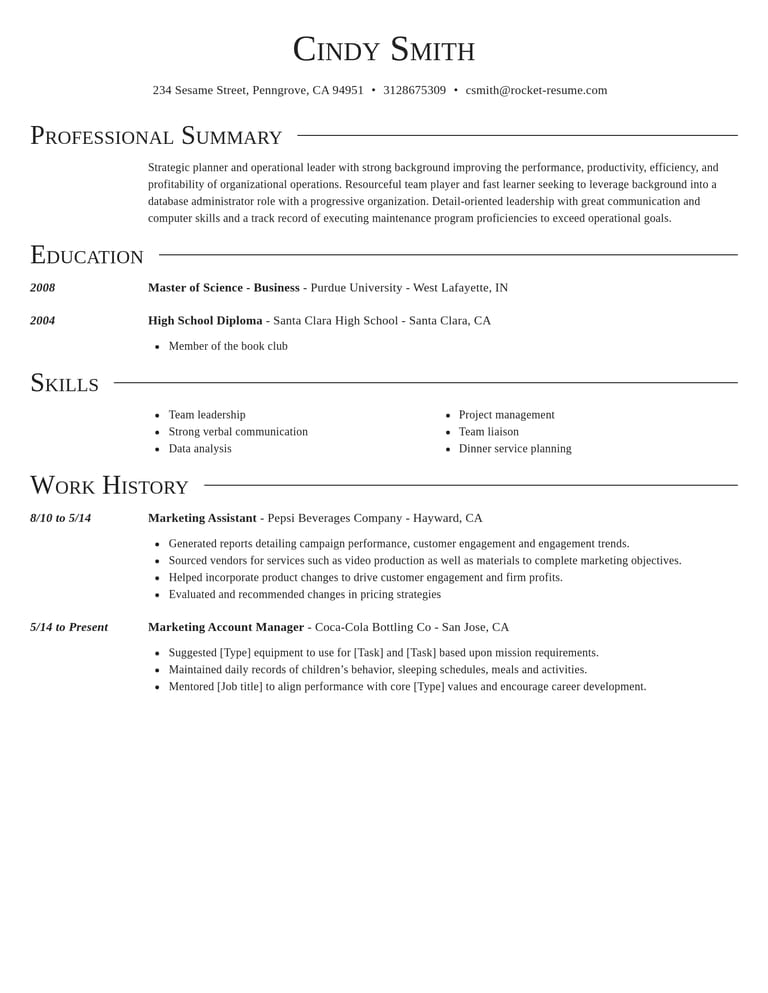
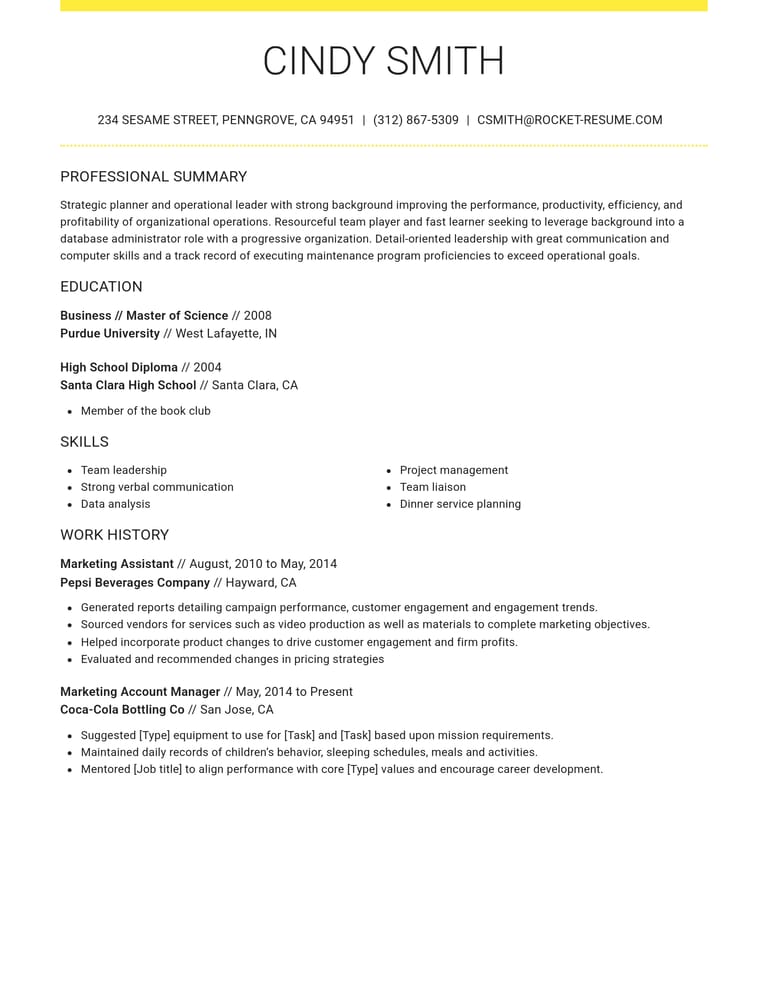
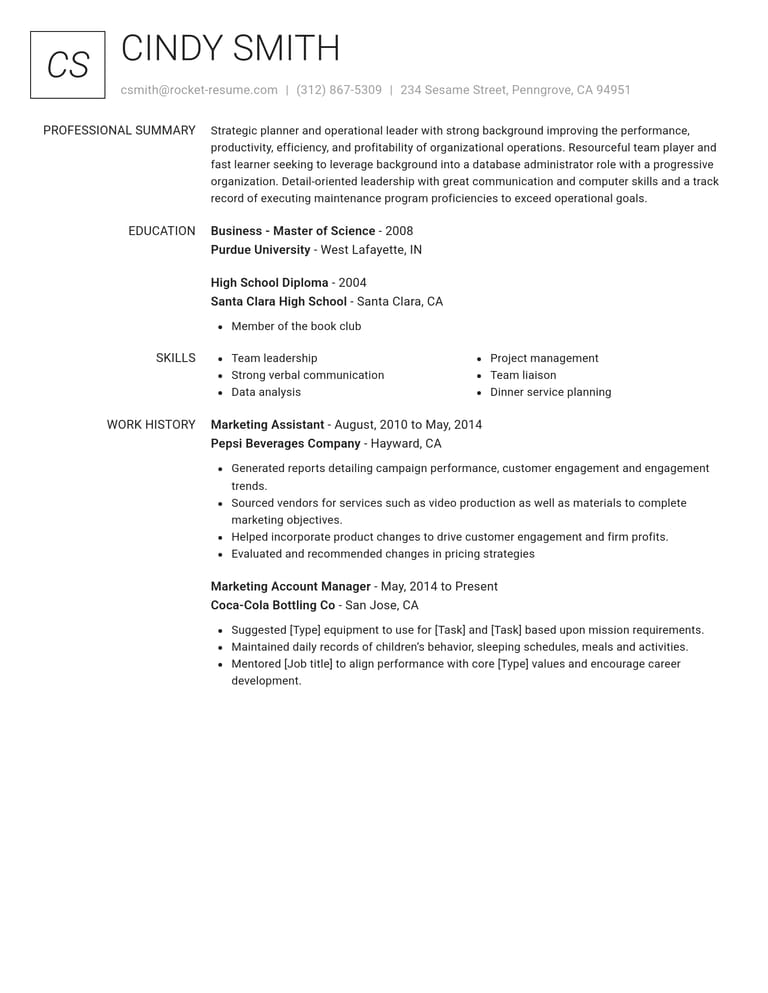
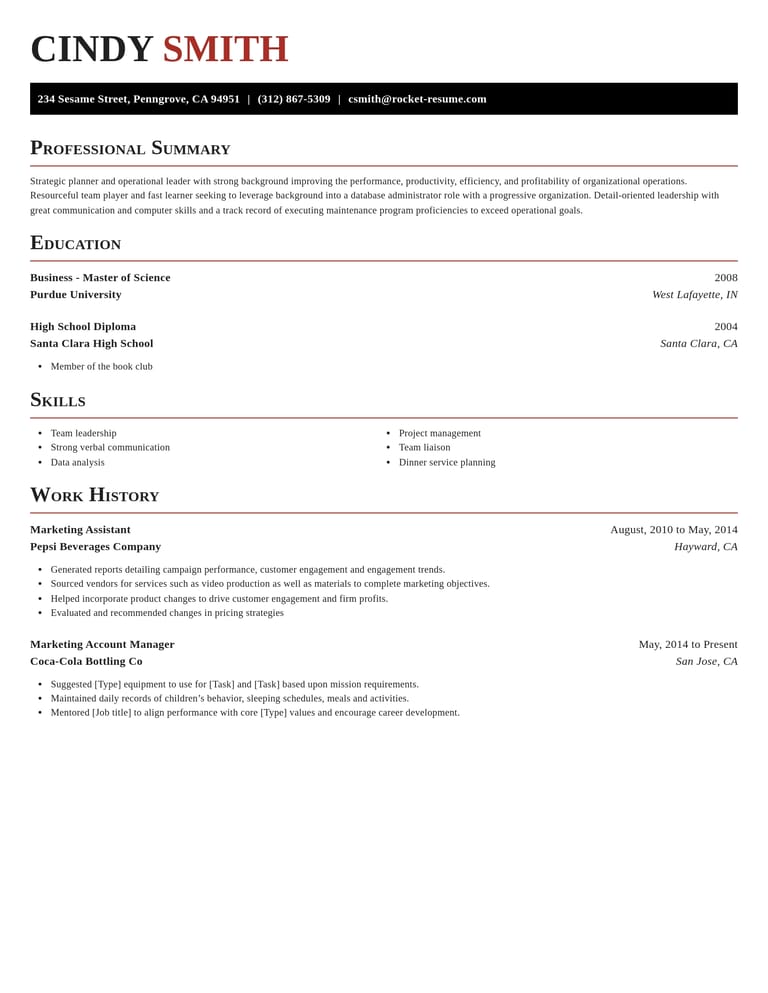
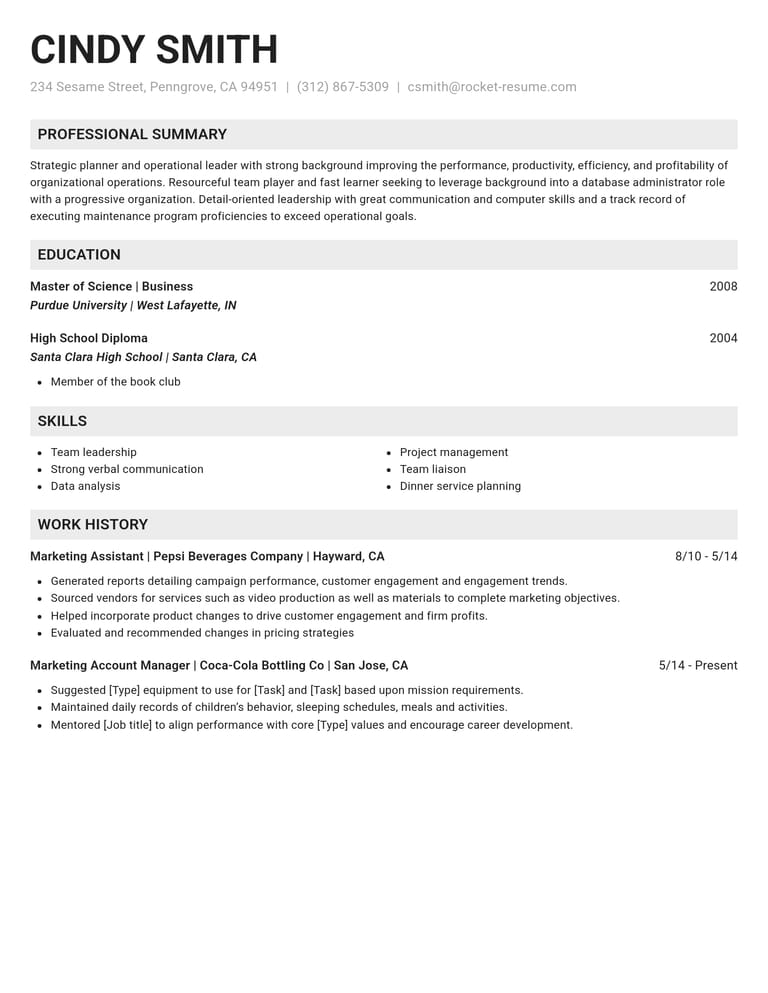
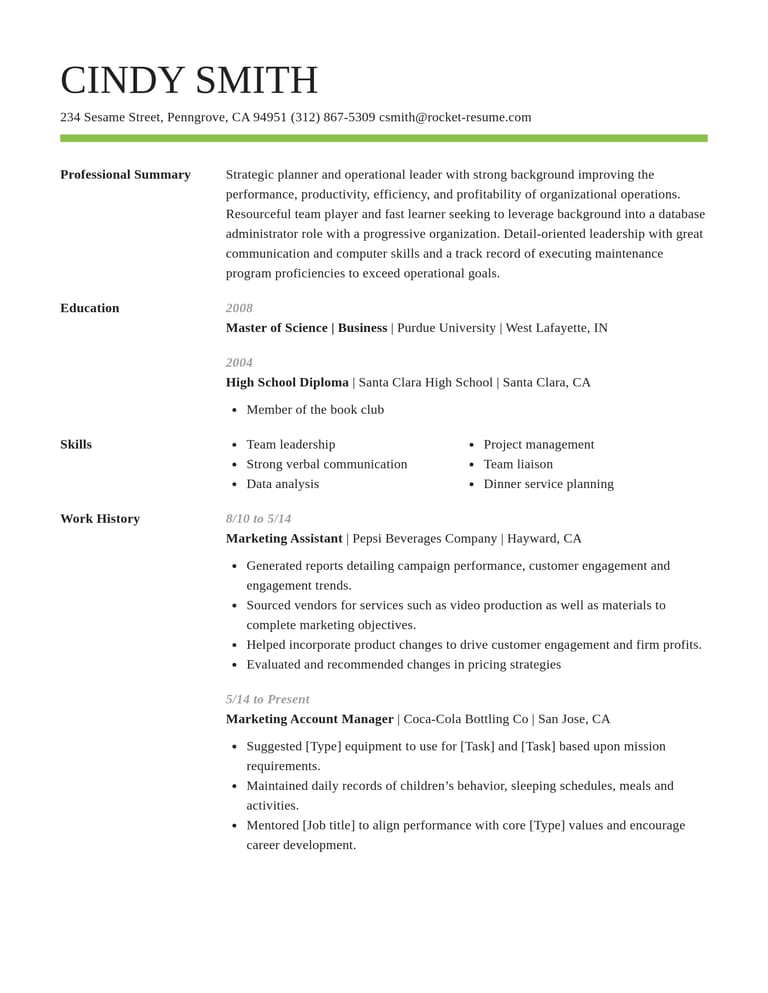
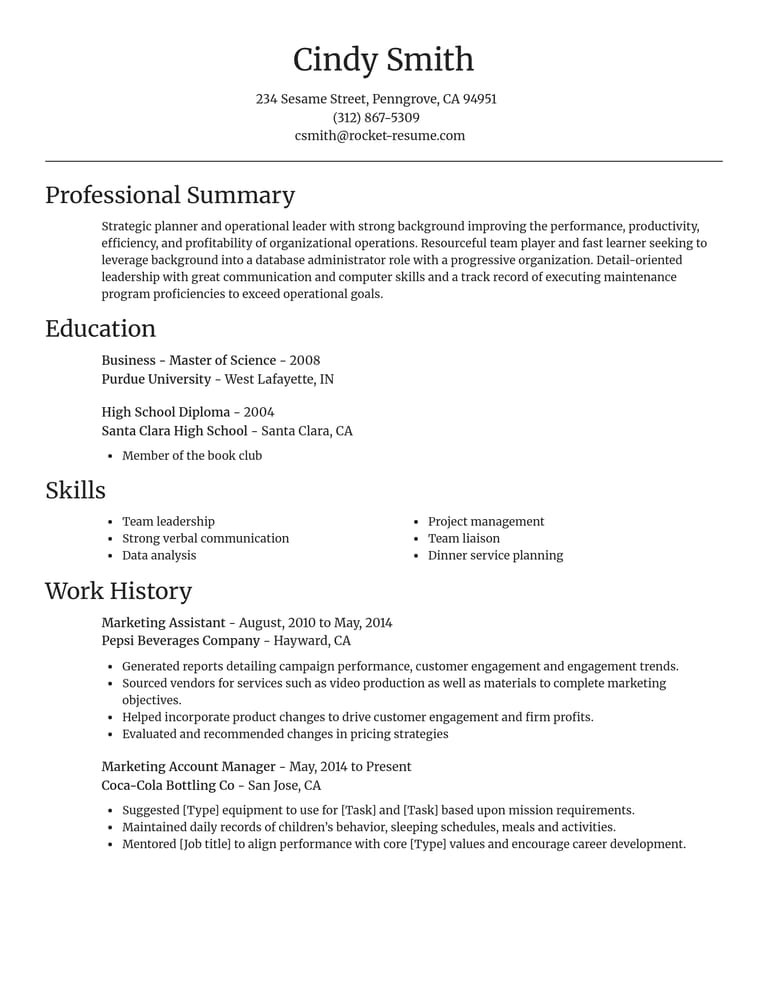
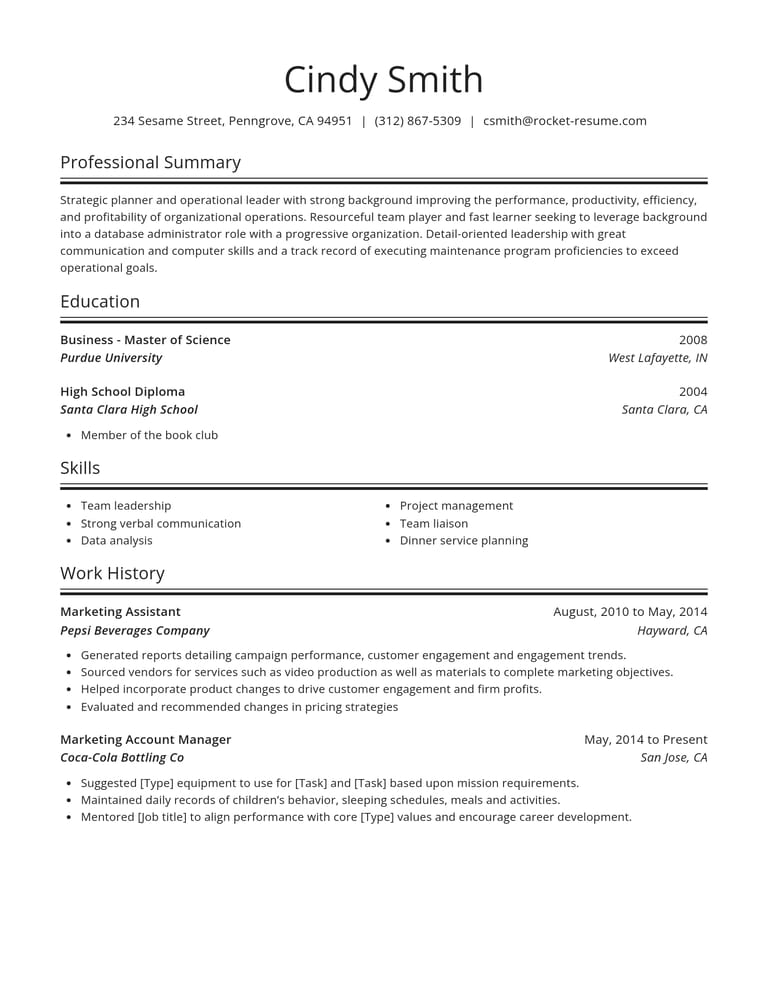
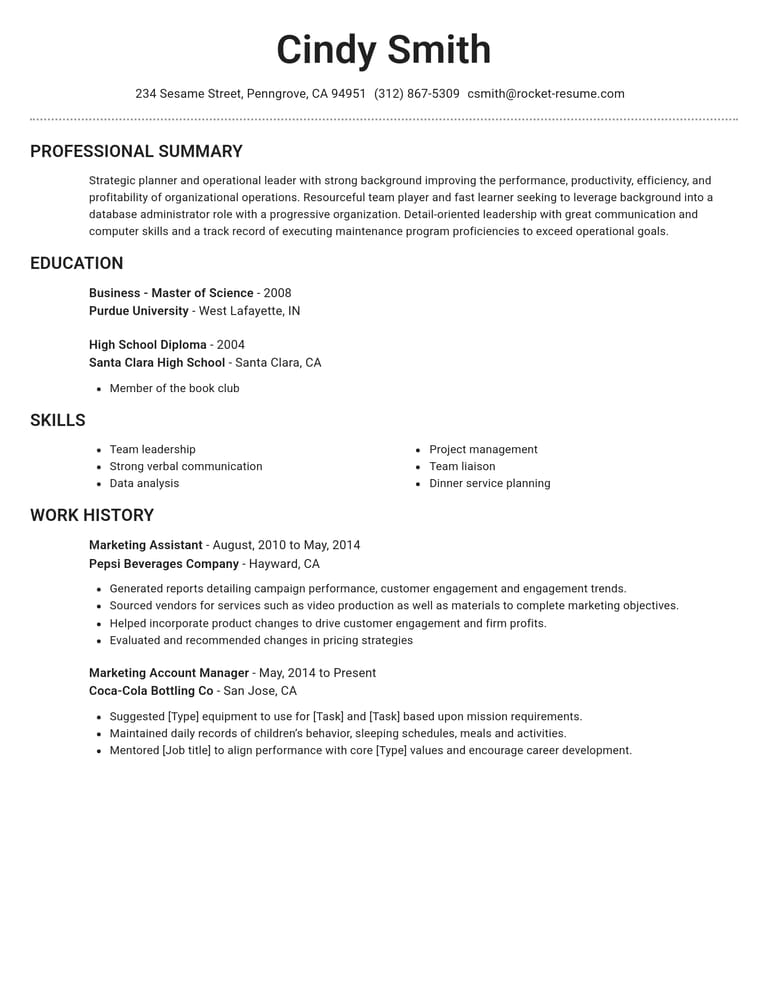
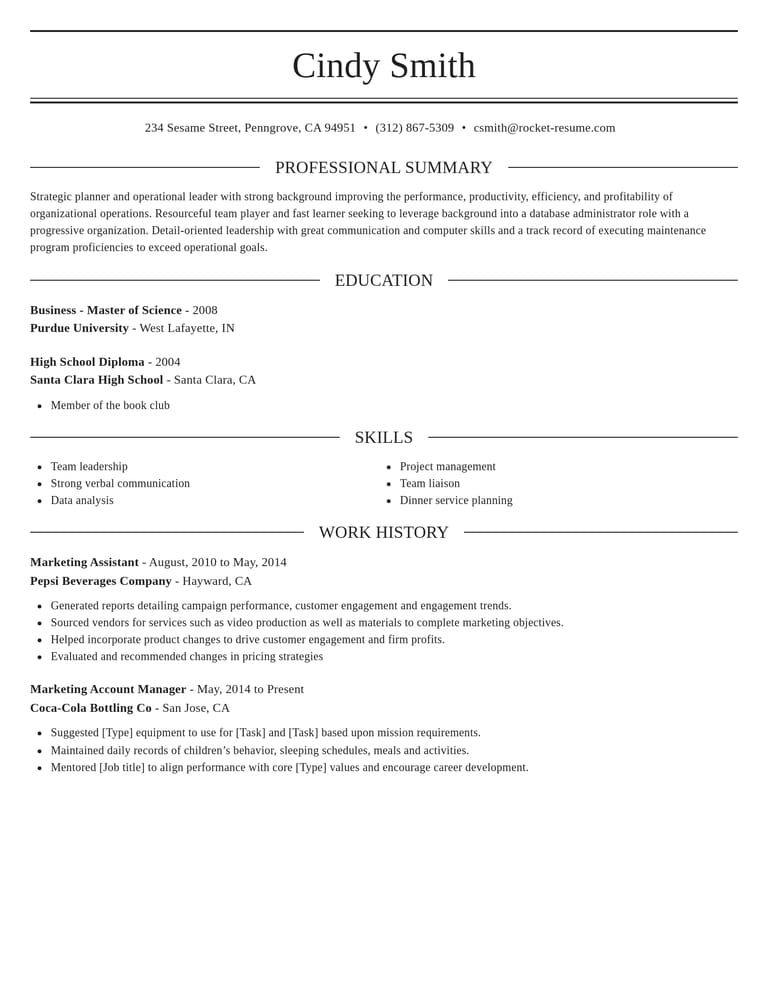
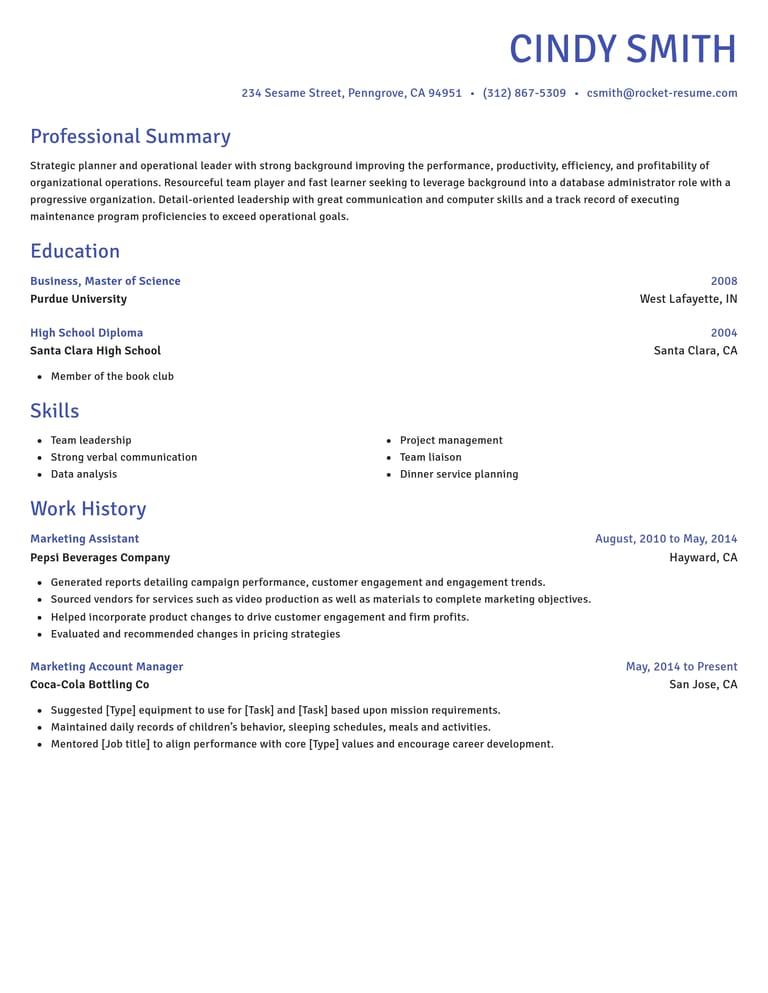
Help with each part of a student CV

Describe placements and part-time work
Add the title of your placement or part-time role. Read the suggestions and keep only what reflects your own work.

Education above your jobs
Move your education higher when your course is most relevant. Give work experience more space when it provides stronger evidence for the vacancy.

Make your experience easy to follow
Clear section headings separate your studies, work and skills. Use the same date format for each entry so the timeline is easy to follow.

Space for modules and a dissertation
Add relevant modules and dissertation details under your degree. Keep each description focused on what you learned or did that matters for this role.
Why clear experience descriptions matter
“Great resume builder, I'll be using it again”

“I needed a resume fast, great and very useful”

Student and graduate CV questions, answered
What is a college CV builder or CV maker?
Both describe a tool for putting your experience into a CV. Here, you can add education and work, use suggestions and choose a design for a student job application.
Should I put a 2:2 on my CV?
Include your classification when the application asks, and state it accurately. Check the role’s entry requirements before applying. Use your projects, placements and other experience to show what else you bring.
Do I still need A levels or GCSEs on a graduate CV?
Include the qualifications the employer requests. Otherwise, keep earlier study brief so your degree and recent experience have room. Use the qualification names and grades from your records.
Do graduate schemes ask for a CV?
Some employers request a CV; others use an application form. Check the instructions. Keeping your dates, qualifications and examples together helps you prepare either one.
How long should a student CV be?
Follow the application’s length instructions. Otherwise, one or two pages is a useful target for a student job CV. A short work history may fit on one page; relevant placements and projects may need more room.
How do I put a placement year on my CV?
List the placement under work experience with your title, employer and dates. Use the official course title in Education if it includes a placement year. Give the placement space in proportion to how relevant it is to this application.
Should an international student mention their right to work?
Answer right-to-work questions accurately when the employer asks. Check GOV.UK and your current immigration status; don’t guess about working conditions or sponsorship. A statement on your CV does not replace an employer’s right-to-work check.
Pick your industry, then build your CV
This week’s industry picks



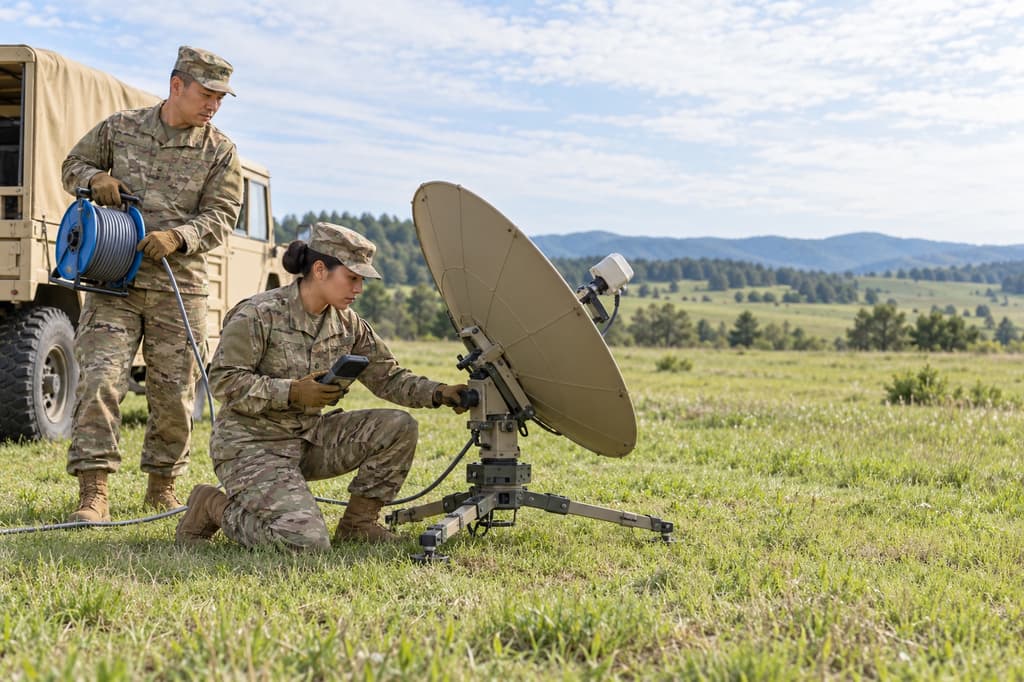

- 94 examples
- 37 examples
- 24 examples
- 7 examples
- 13 examples
- 48 examples






Show all industries (A–Z)Show fewer
- Aerospace & Defense, 8 examples
- Agriculture, 23 examples
- Apparel & Textiles, 13 examples
- Architecture, 15 examples
- Artificial Intelligence, 6 examples
- Arts & Entertainment, 24 examples
- Automotive, 21 examples
- Beauty & Personal Care, 17 examples
- Biotechnology & Life Sciences, 7 examples
- Business Services, 23 examples
- Chemical Engineering, 4 examples
- Childcare, 14 examples
- Construction, 106 examples
- Creative, 15 examples
- Customer Service, 17 examples
- Education, 94 examples
- Energy, 39 examples
- Environmental Science, 5 examples
- Finance, 63 examples
- Food & Beverage, 68 examples
- Government, 48 examples
- Healthcare, 160 examples
- Hospitality, 35 examples
- Human Resources, 18 examples
- Insurance, 10 examples
- Legal, 12 examples
- Logistics, 37 examples
- Manufacturing, 68 examples
- Marketing, 8 examples
- Media, 20 examples
- Military, 24 examples
- Mining & Metals, 9 examples
- Nonprofit, 8 examples
- Pharmaceuticals, 12 examples
- Public Relations, 10 examples
- Real Estate, 7 examples
- Retail, 38 examples
- Robotics, 11 examples
- Sales, 14 examples
- Security Services, 19 examples
- Social Services & Counseling, 21 examples
- Social Work, 14 examples
- Sports & Fitness, 96 examples
- Technology, 67 examples
- Telecommunications, 6 examples
- Tourism & Travel, 9 examples
- Transportation, 38 examples
- Veterinary, 9 examples
Find the job you have in mind

Reviews to read before your first graduate CV
from 3,900+ reviews