Agriculture resume examples from field crews to farm managers
Show the crops, herds or machinery you handled as a farmworker, equipment operator, herd manager or farm manager, and explain the seasons and acreage behind each job.
- Resume examples for 23 agriculture jobs
- Professional resume templates
- Easy editing as you go
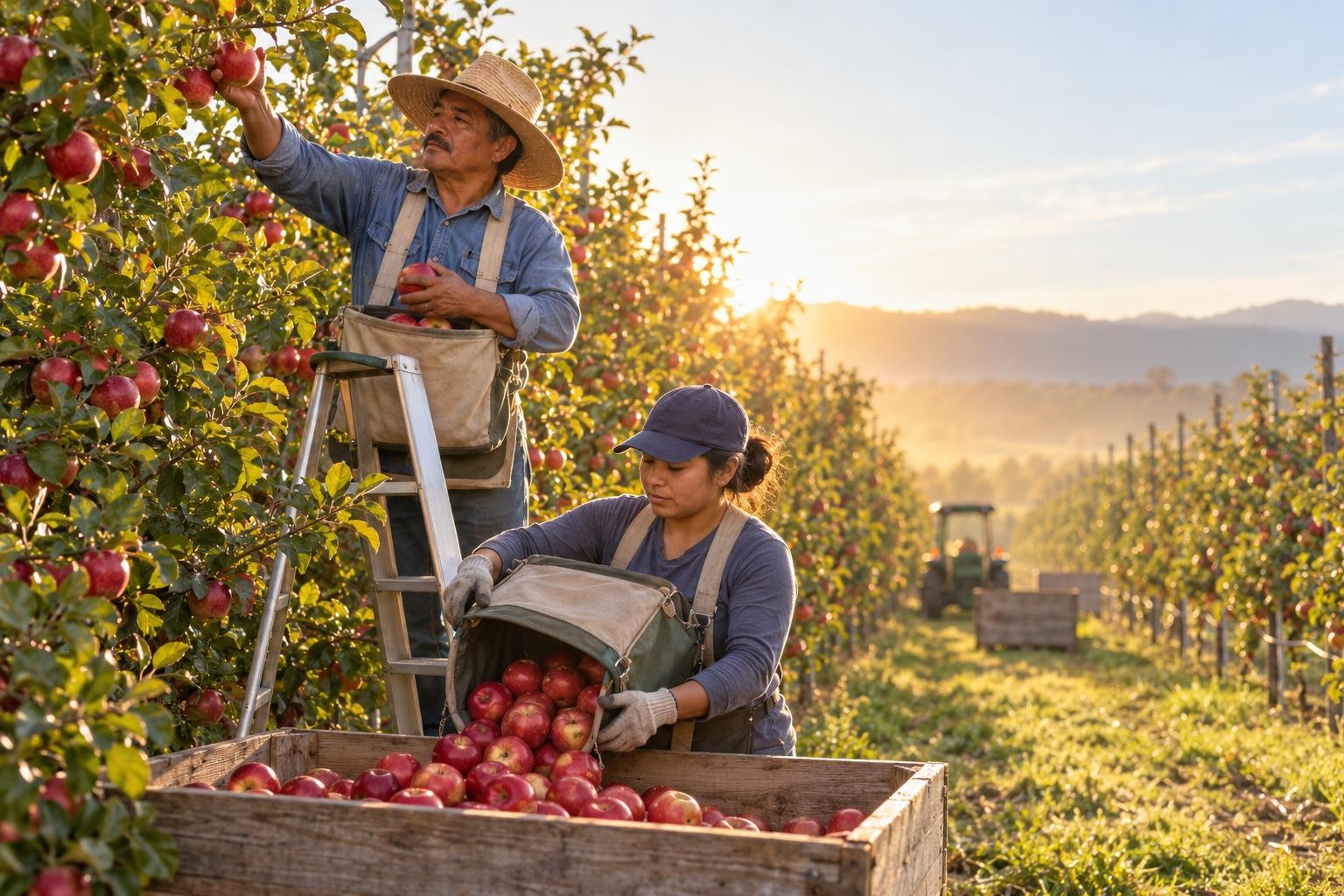
How to write a agriculture resume
One short job title can cover several harvests, machines and duties. Your resume should help a farm manager see that range without making seasonal work look scattered. Name the operation first, then the work you handled there. A useful entry says what you grew, fixed or cared for and which part was yours. The BLS profile of agricultural workers notes that the work can center on crops, livestock or machinery, with different tasks in each.
Growers and farm managers lose the thread when:
- Seasonal farm work reads as an unexplained string of short jobs.
- Equipment knowledge is reduced to a vague farm-work description.
- Family-farm or training experience has no clear role or dates.
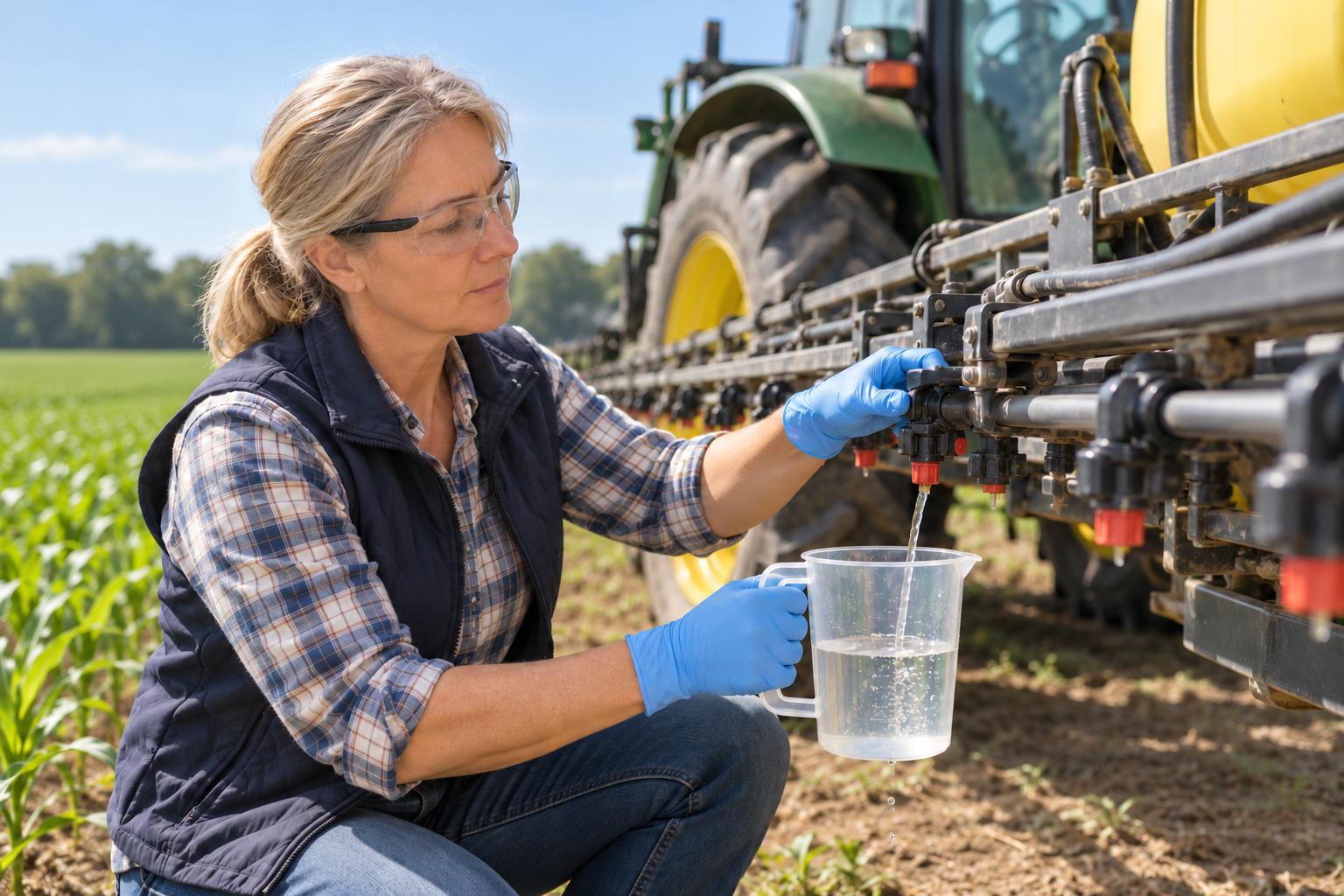
Give farm work an operation and a season
Name the kind of operation you worked in: row crops, livestock, greenhouse production or another specialty. Explain the tasks you handled and what shaped them, such as planting schedules, harvest windows or animal-care routines. Look through farm and ranch resume examples and agriculture job titles to see how similar work is described.
Build My Agriculture ResumeOpen the builder with a list of the farms and seasons you have worked. Pick suggestions that fit, then add the operation, equipment and season behind each task you keep.
Explain the machinery responsibility
Make equipment experience specific. Separate machinery you operated from equipment you maintained or repaired. Where you have records, add the acreage, herd size, crew size or output that shows your responsibility without claiming the whole farm's results as your own. The ready-made suggestions for equipment and field work cover tractor, irrigation and harvest tasks, so change the details to match your farm.
One way an irrigation hand might put it:
“Ran drip irrigation on 140 acres of processing tomatoes, flushing and repairing clogged emitters between sets during peak harvest.”
Build My Agriculture ResumePut the equipment you know into a farm-work entry in the builder. Say whether you operated, maintained or repaired it, then add the crop, herd or field where you used it.
Label practical experience clearly
Seasonal jobs still belong in your work history. Give real dates and say what changed as you came back each season. New to paid farm work? Ag coursework, internships, FFA or 4-H projects and family-farm duties all count if you say what each one was. Our articles on agriculture careers cover seasonal gaps and first farm jobs.
Give family-farm work a job title and dates of its own. In the builder, describe the duties you held and separate regular responsibility from supervised practice, so an off-farm employer can follow it.
Make seasonal experience readable
Group returning seasons under one employer when that matches your history, so the dates read as steady work instead of a string of short jobs. Keep equipment skills apart from training or certificates. The resume templates differ in how much room they give each section. Moving toward food processing or equipment sales? See how food production and other nearby fields describe the same experience.
Build My Agriculture ResumeOnce seasons and equipment are filled in, look over the builder's live preview. Repeat seasons should read as one steady job, and machinery skills should not crowd out the farm work behind them.
How Rocket Resume helps
Rocket Resume has a place for each of these fixes:
- Seasons an employer can follow. Date each farm assignment and explain the harvest, planting or calving season behind a short period of employment.
- Machinery you actually ran. Turn a relevant suggestion into an account of the machinery you operated and the crop or animal-care task involved.
- Date your family-farm work. Record family-farm duties with their dates, and keep training apart from the work you did on your own.
Work through these four builder sections:
- Choose a template. Choose a template that leaves space for equipment and certificates, then check it in the preview.
- Add work experience. Enter each farm job and season in your work history with its dates.
- Select relevant skills. Choose skill suggestions for the machinery, crops and animal care you know.
- Write the summary. Open with a summary of the farm and seasonal work your job entries show.
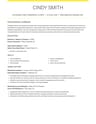
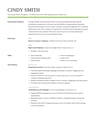
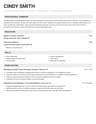
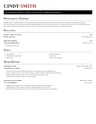
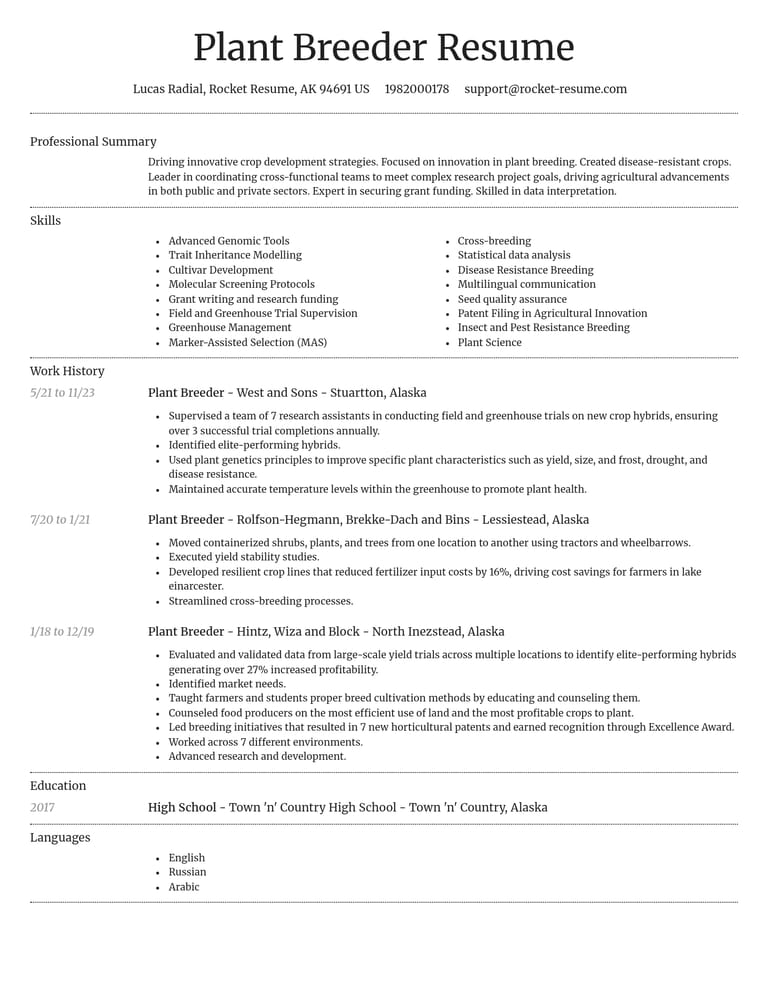
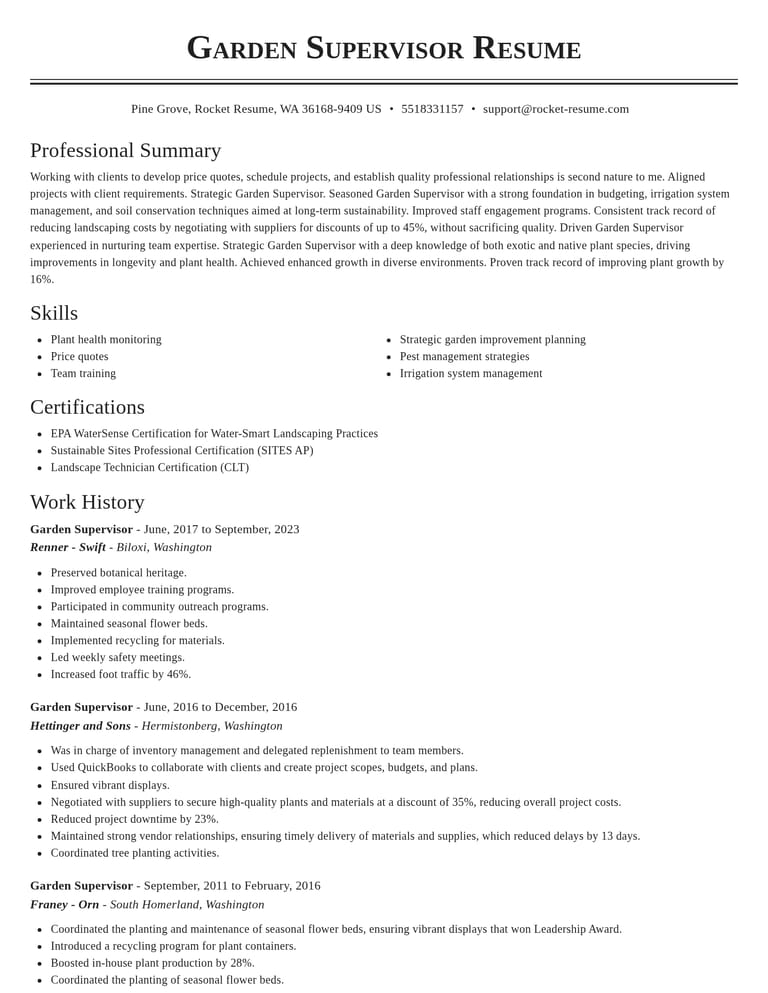
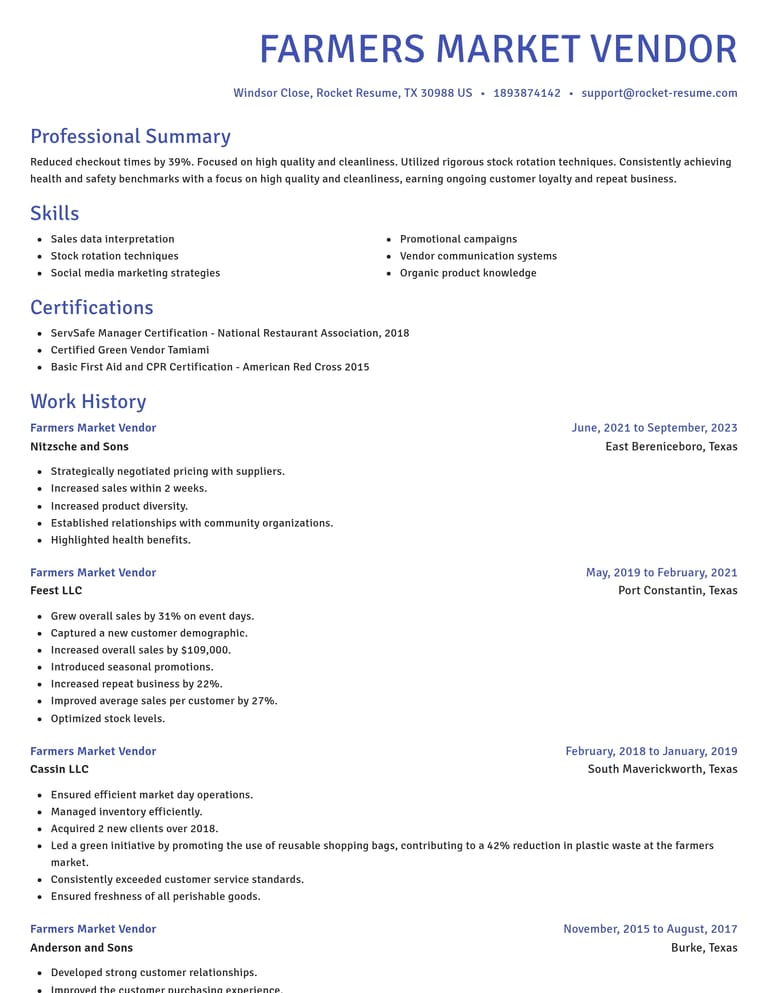
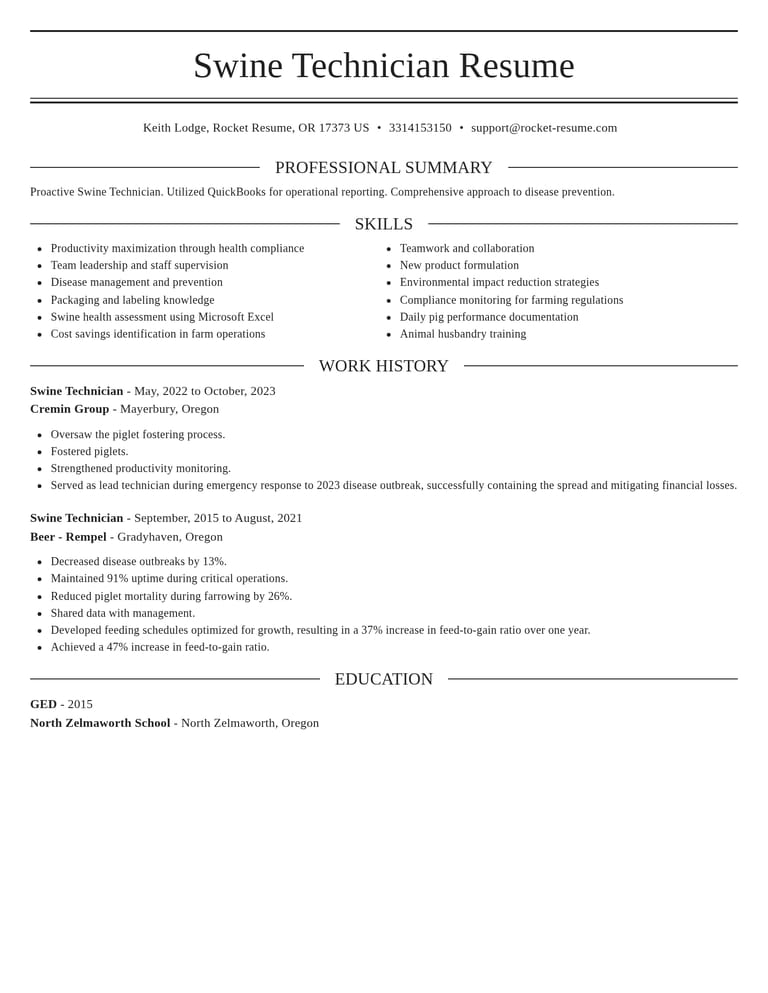
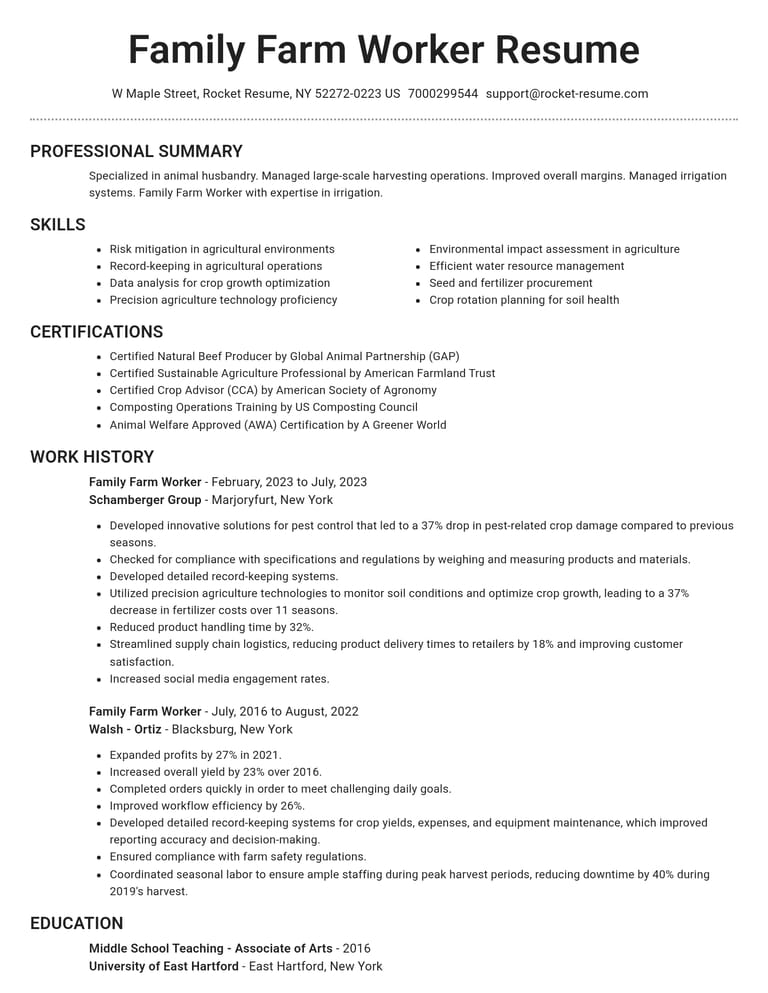
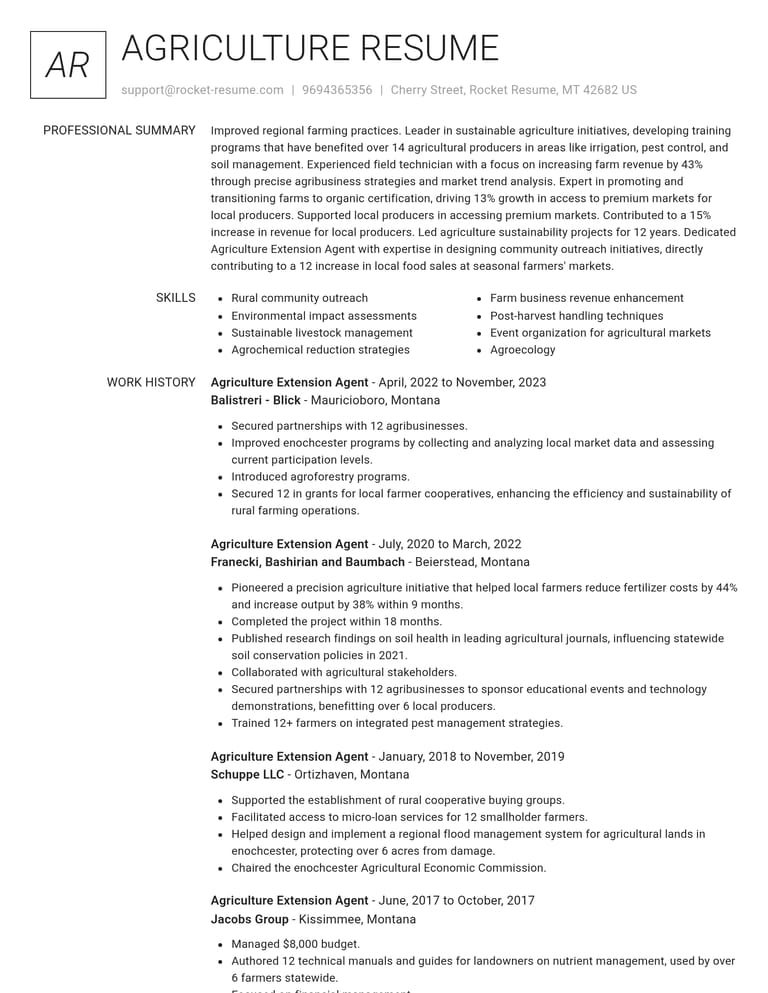
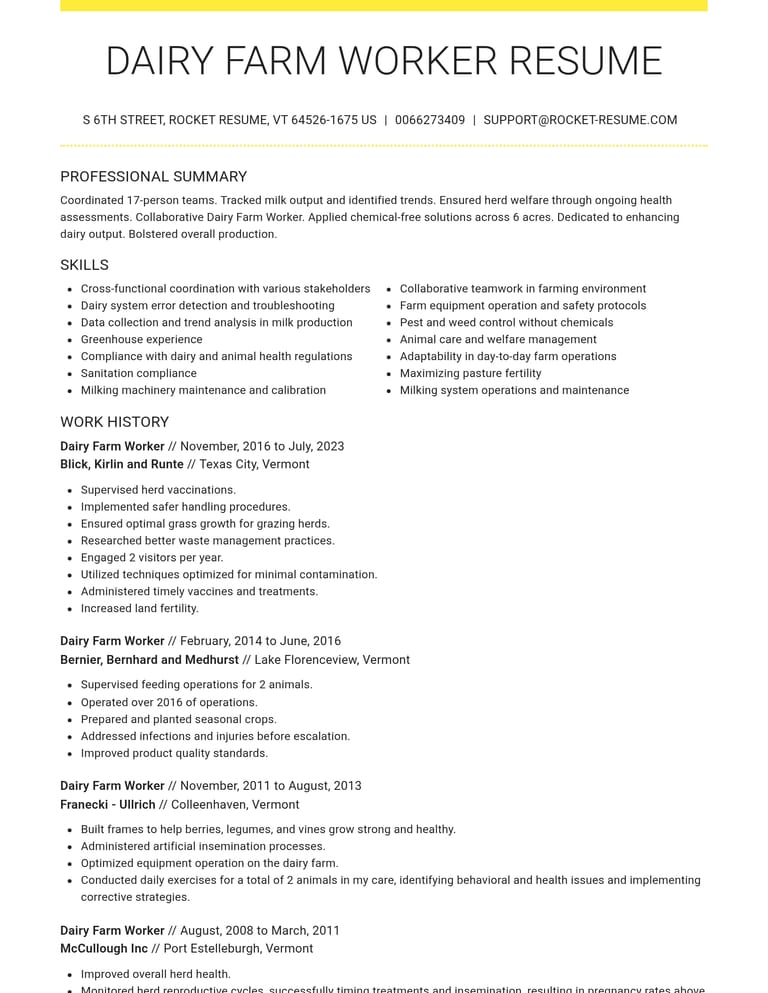
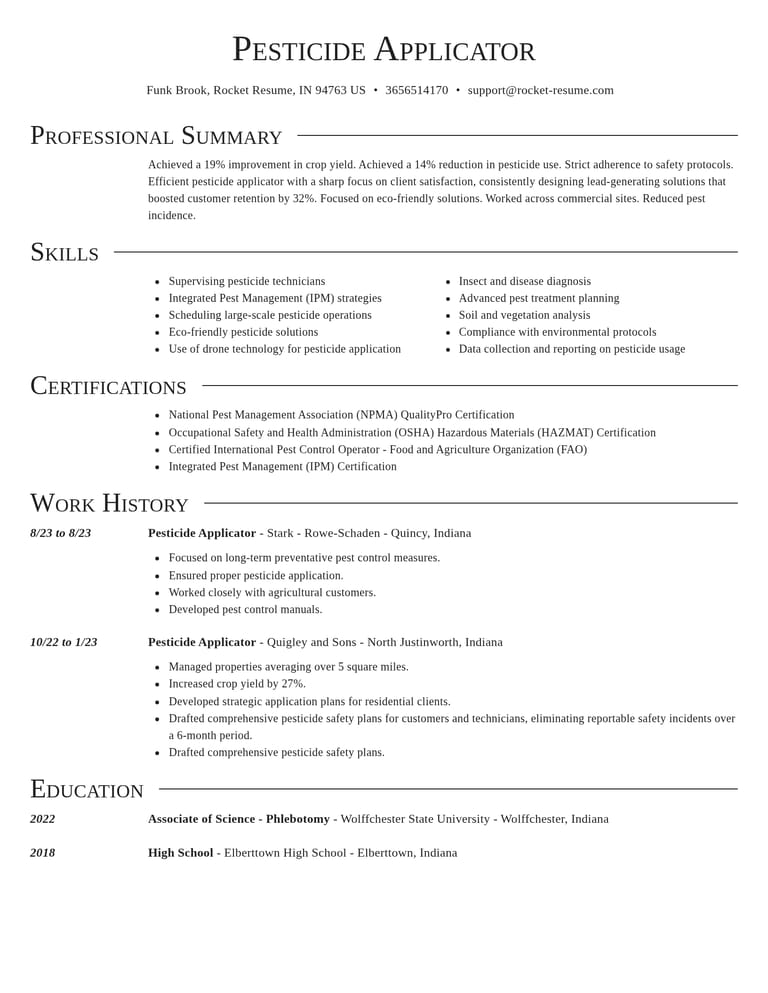
Agriculture resume examples
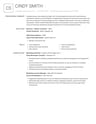
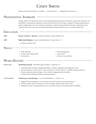
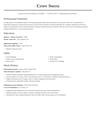
Pesticide Applicator resume example
More Pesticide Applicator resume examplesAgriculture jobs: examples, templates and guides
23 jobs- Farm Hand
Guides
Machines you run alone, like a tractor, skid steer or UTV, and the chores you're trusted with daily.
- Farm Worker
Resume
Crops or animals worked, seasons you returned to one grower, and a count such as rows or head.
- Pest Control Technician
Examples
Your state license or technician ID, then the pests you treat, from termites to rodents.
- Dairy Farm Worker
Templates
Parlor style (rotary, parallel or robotic), cows milked per shift, and fresh-cow or calf duties.
- Chicken Catcher
Tips
Birds caught per shift, your crew role, and biosecurity steps like changing boots between houses.
- Fruit Picker
Guides
Crops and bins per day, plus the date of your last EPA Worker Protection Standard training.
- General Farm Worker
Templates
Split mixed duties into field, shop and livestock, naming the task in each you handle unsupervised.
- Greenkeeper
Examples
Greens and mowing heights you keep, plus any U.S. ornamental and turf pesticide applicator category.
- Plant Nursery Worker
Guides
Propagation you do (cuttings, plugs, grafting), the plants you grow, and orders pulled per day.
- Scaler
Tips
Species and grades you scale, logs or loads per day, and the handheld data recorder you use.
Your land-grant university and county, program areas such as 4-H or crops, and people reached.
- Aquaculture Technician
Examples
Fish or shellfish species, raceways or recirculating tanks you run, and survival you kept.
Show all 23 agriculture jobsShow fewer
Agriculture resume skills, summaries and work history suggestions
Save suggestions for your resume
Tap the bookmark next to any suggestion to save it.
Saved itemsThe examples, skills, job titles and industries you save, together in one place.
RecommendedPages, searches and examples you used but haven’t saved.
In the builderYour saved suggestions show up in the resume builder, ready to add as you write.
You’re in controlYour saved items are private. Remove any of them at any time.
Showing 12 of 40
Early Generation Selection Methods
Cultivar Development
Disease Resistance Breeding
Dairy Farm Worker resume examples
Work experience
Administered timely vaccines and treatments.
Collected and stored raw milk, adhering to stringent health guidelines, ensuring product quality and freshness for quick transportation.
Organic product knowledge
Procurement optimization
Eco-friendly packaging strategies
Plant Nursery Worker resume examples
Work experience
Created sustainable solutions for plant disease prevention.
Boosted wholesale revenue by $197,000.
Installation of hardscapes/softscapes
Community Outreach and Education
Pest Control Technician resume examples
Work experience
Wrote detailed reports, noting sanitation and structural issues that could lead to pest activity for each job.
Followed the most stringent safety procedures when working with chemicals.
Incumbent Weather Procedures
Animal husbandry
Cannabis Grower resume examples
Work experience
Adhered to all legal shipping requirements.
Examined crops and inventory to assess conditions and determine what actions were required, such as cultivating or harvesting crops.
Agriculture Extension Agent resume examples
Work experience
Taught people how to properly complete vendor management and workflow optimization, streamlining processes and improving execution.
Benefitted over 10 local producers.
Pesticide Applicator resume examples
Summaries
Certified pesticide applicator with a deep understanding of IPM frameworks, consistently improving yield and reducing ecological impact for agricultural clients.
Achieved enhanced pest control efficiency.
Achieved a dramatic reduction in pest recurrence.
Pig Farmer resume examples
Accomplishments
Trained farm staff in animal welfare best practices, leading to improved overall public health compliance and a 73% reduction in regulatory fines.
Partnered with pork industry leaders to adhere to Certified Humane guidelines, boosting farm credibility and sales by 63%.
Family Farm Worker resume examples
Summaries
Achieved a 71% increase in market value.
Achieved significant savings in repair costs.
Achieved a 26% increase in crop survival rates.
Swine Technician resume examples
Accomplishments
Managed farrowing process, reducing piglet mortality by 73% through improved monitoring and rapid intervention strategies.
Oversaw stock and equipment inventory, reducing shortages and downtime in daily operations by 57%.
Achieved a 59% decrease in poultry mortality over 2017.
Accomplished in managing day-to-day poultry farm operations while maintaining high standards in quality control, biosecurity, and junior staff training.
Integrated Pest Management Technician resume examples
Accomplishments
Implemented customer education workshops that increased adoption of preventative pest control methods by 51%.
Conducted post-treatment follow-ups using customer satisfaction surveys, resulting in 80% of clients recommending services.
Greenkeeper resume examples
Summaries
Achieved up to 38% improvement in turf density.
Adept at troubleshooting complex irrigation systems, leading to reduced water waste and improved health of green spaces through precise water management.
Farm Worker resume examples
Accomplishments
Trained 13 new farm workers in equipment operation and safety protocols, leading to 7% improvement in safety compliance.
Reduced water usage by 17% through the implementation of advanced irrigation systems based on weather forecasting data.
General Farm Worker resume examples
Accomplishments
Established direct sales at local farmers' markets, resulting in over $75,000 in additional monthly revenue for the farm.
Succeeded in reducing overall farm waste by 73% through composting and sustainable repurposing methods.
Agriculture resume questions
How do I put work on my family's farm on a resume?
Treat the farm like any other employer. Give its name and county, such as "Hansen Family Farm, Story County, Iowa," and a title that describes the work rather than the relationship: Farm Hand, Herd Manager or Equipment Operator. Unpaid family work still counts, so say what you ran and for how many seasons. A parent isn't a neutral reference, so line up someone outside the family who saw you work, like the farm's veterinarian, agronomist or feed dealer. When you apply off the farm, turn chores into employer language: "kept a nine-piece equipment fleet running" says more than "shop work." The Family Farm Worker page has examples you can adapt.
How do I put FFA or 4-H on a resume?
Treat a long-running project like a small job. Under Activities or Projects, name it, such as "Market swine project, Linn County 4-H, 2021-2025," then give the head raised or acres grown, the records you kept and results like fair placings. NIFA, the USDA agency that serves as 4-H's national headquarters, describes projects ranging from showing livestock to vegetable gardening, delivered through land-grant universities' Cooperative Extension. For FFA, list chapter offices and the highest degree you earned. The American FFA Degree is the organization's top degree, and its requirements include a State FFA Degree and an outstanding supervised agricultural experience program, so it signals years of hands-on work.
How do I list livestock care on a resume?
Start with the species and the kind of operation, such as a sow farrowing barn, a freestall dairy or a broiler house, since the daily work differs so much between them. Then list the care you handled yourself: feeding, health checks, treatments you gave and recorded, births you assisted and moving animals calmly. Give one scale figure per job, like sows per room or cows milked per shift. Animal-care programs count as training, so swine workers can name their Pork Quality Assurance Plus (PQA Plus) training and its version, since the national program is revised on a three-year cycle. Compare the Dairy Farm Worker, Swine Technician and Poultry Farm Assistant examples.
How can a resume show the step from pest control technician to certified applicator?
Let each title show the authority it carried. As a Pest Control Technician, say whether you worked under a certified applicator's direct supervision. Under U.S. rules, an uncertified worker who uses restricted use pesticides that way needs a qualification, usually training within the last 12 months, and is generally at least 18; your state may add its own technician license. As a Pesticide Applicator, name the certifying state and each category you hold, such as industrial, institutional, and structural pest control. An Integrated Pest Management Technician entry then adds the monitoring, thresholds and exclusion work that reduced spraying.
Resume guides and career advice

In the US, a resume is the one- or two-page document most employers want, while a CV (curriculum vitae) is the long record of an academic career used for faculty, research and some medical positions. In the UK and much of Europe, CV is simply the everyday word for a resume, so for a job there, adapt your resume's length, spelling, paper size and personal details to local custom. If a US employer outside academia asks you for a CV, send your resume unless its instructions call for more detail.

Updated Nov 2, 2026
Set margins between half an inch and one inch and body text between 10 and 12 points, the ranges the Rutgers Business School and University of Nebraska–Lincoln career guides give students. Start at the wide end for margins and the top of the range for text. Use one plain font, single line spacing and one column, set the page to Letter if you’re applying in the US or Canada and A4 for most other countries, and keep to one page early in your career.

Explore other industries
Related to Agriculture
 68 examples
CNC Machine Operator · Production Associate · Manufacturing Technician

 9 examples
Veterinarian Assistant · Locum Tenens Veterinarian · Professional Pet Groomer


All industries
This page’s industryRelated to Agriculture
- Aerospace & Defense, 8 examples
- Agriculture, this page’s industry, 23 examples
- Apparel & Textiles, 13 examples
- Architecture, 15 examples
- Artificial Intelligence, 6 examples
- Arts & Entertainment, 24 examples
- Automotive, 21 examples
- Beauty & Personal Care, 17 examples
- Biotechnology & Life Sciences, 7 examples
- Business Services, 23 examples
- Chemical Engineering, 4 examples
- Childcare, 14 examples
- Construction, 106 examples
- Creative, 15 examples
- Customer Service, 17 examples
- Education, 94 examples
- Energy, related industry, 39 examples
- Environmental Science, 5 examples
- Finance, 63 examples
- Food & Beverage, related industry, 68 examples
- Government, 48 examples
- Healthcare, 160 examples
- Hospitality, 35 examples
- Human Resources, 18 examples
- Insurance, 10 examples
- Legal, 12 examples
- Logistics, 37 examples
- Manufacturing, related industry, 68 examples
- Marketing, 8 examples
- Media, 20 examples
- Military, 24 examples
- Mining & Metals, related industry, 9 examples
- Nonprofit, 8 examples
- Pharmaceuticals, 11 examples
- Public Relations, 10 examples
- Real Estate, 7 examples
- Retail, 38 examples
- Robotics, 11 examples
- Sales, 14 examples
- Security Services, 19 examples
- Social Services & Counseling, 21 examples
- Social Work, 14 examples
- Sports & Fitness, 96 examples
- Technology, 67 examples
- Telecommunications, 6 examples
- Tourism & Travel, 8 examples
- Transportation, 38 examples
- Veterinary, related industry, 9 examples