Write your resume with
Start with a job you want and list the work, education and skills that fit it. Describe what you did in one role, then use Rocket Resume's suggestions to develop that account without adding facts you can't support.
- Tips for what each section should say
- Examples for the job you enter
- Edit suggestions to fit your work
- See your draft in the preview



Describe the work behind each claim
Instead of listing a skill alone, explain where you used it. A customer service entry could describe the questions you handled or how you resolved an issue. Keep useful duties; add results when you can support them.
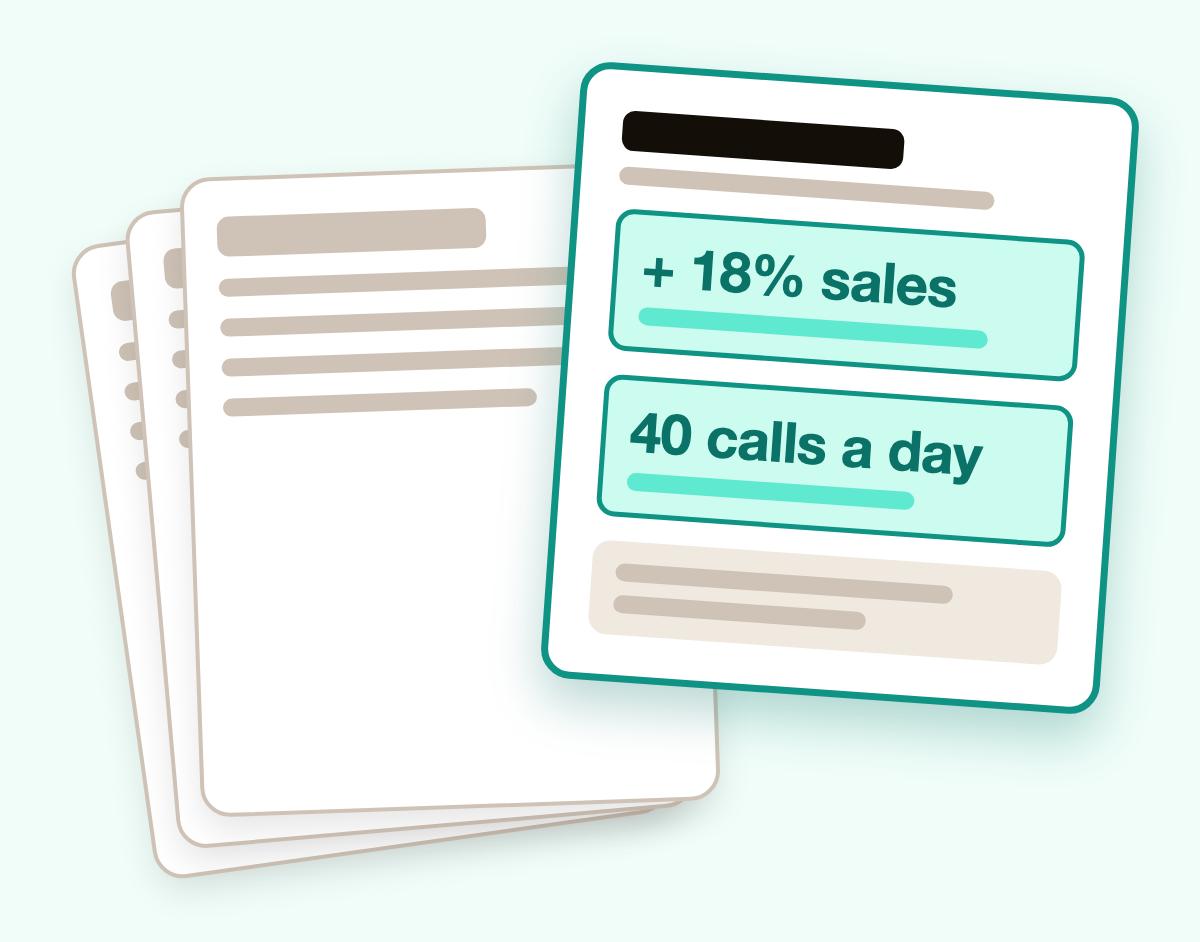
- Stand out in a crowded pile
Start with the work the job posting asks for. Describe a task you handled, then add the tool, scale or result that makes it specific.
- Built for screeners and people
Use familiar headings and make employers, job titles and dates easy to find. Check the finished layout before you send it.
- Examples that fit your job
Type your job title, choose a suggestion that fits your work, then add your own details.
- Proof, not just duties
If you wrote “handled customer calls,” add the kinds of questions you resolved. Include a number only when you can support it.
Build a resume in four steps
Step 1
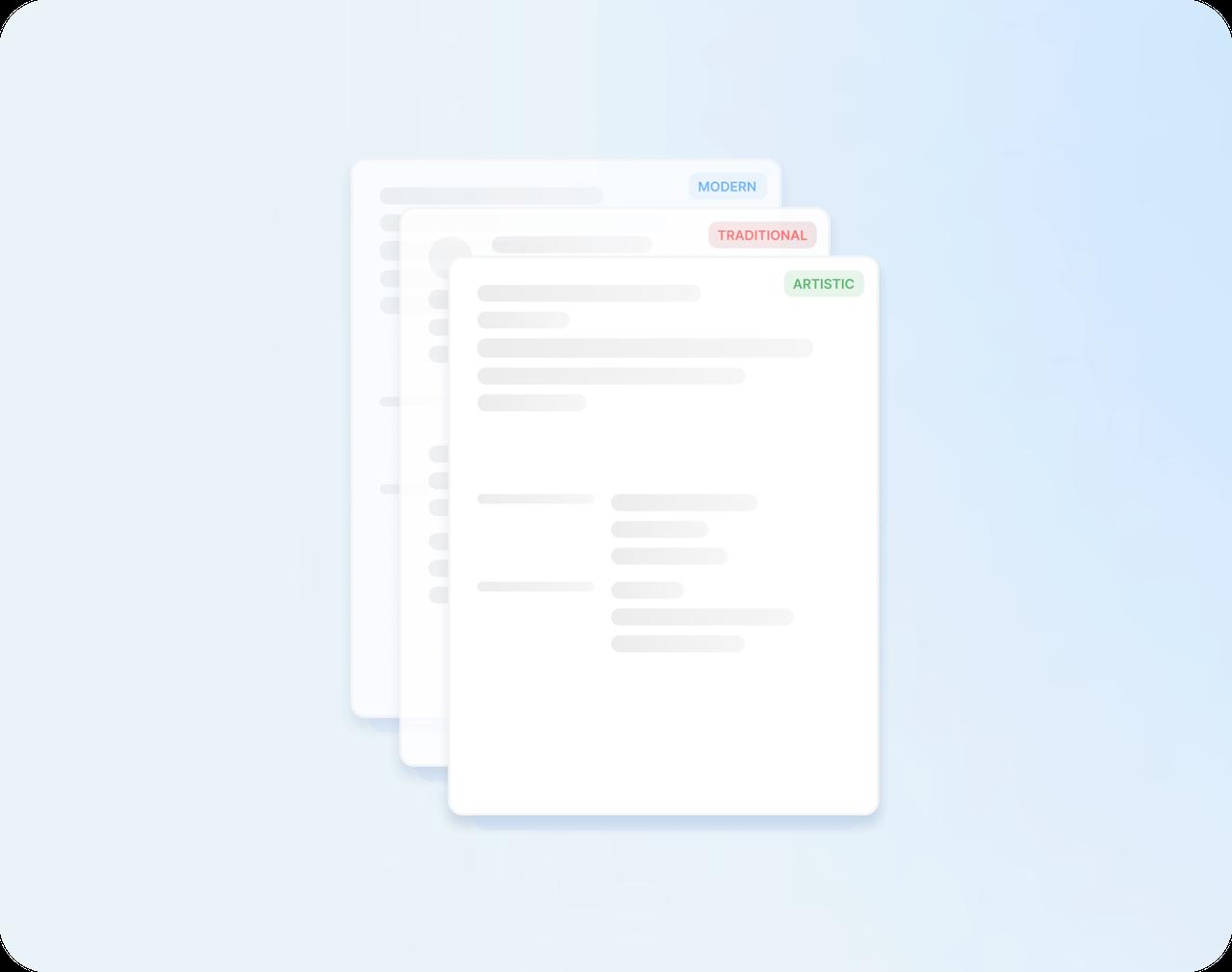
Start with a template
Say how much work experience you have, then choose a modern, traditional or creative design.
Step 2
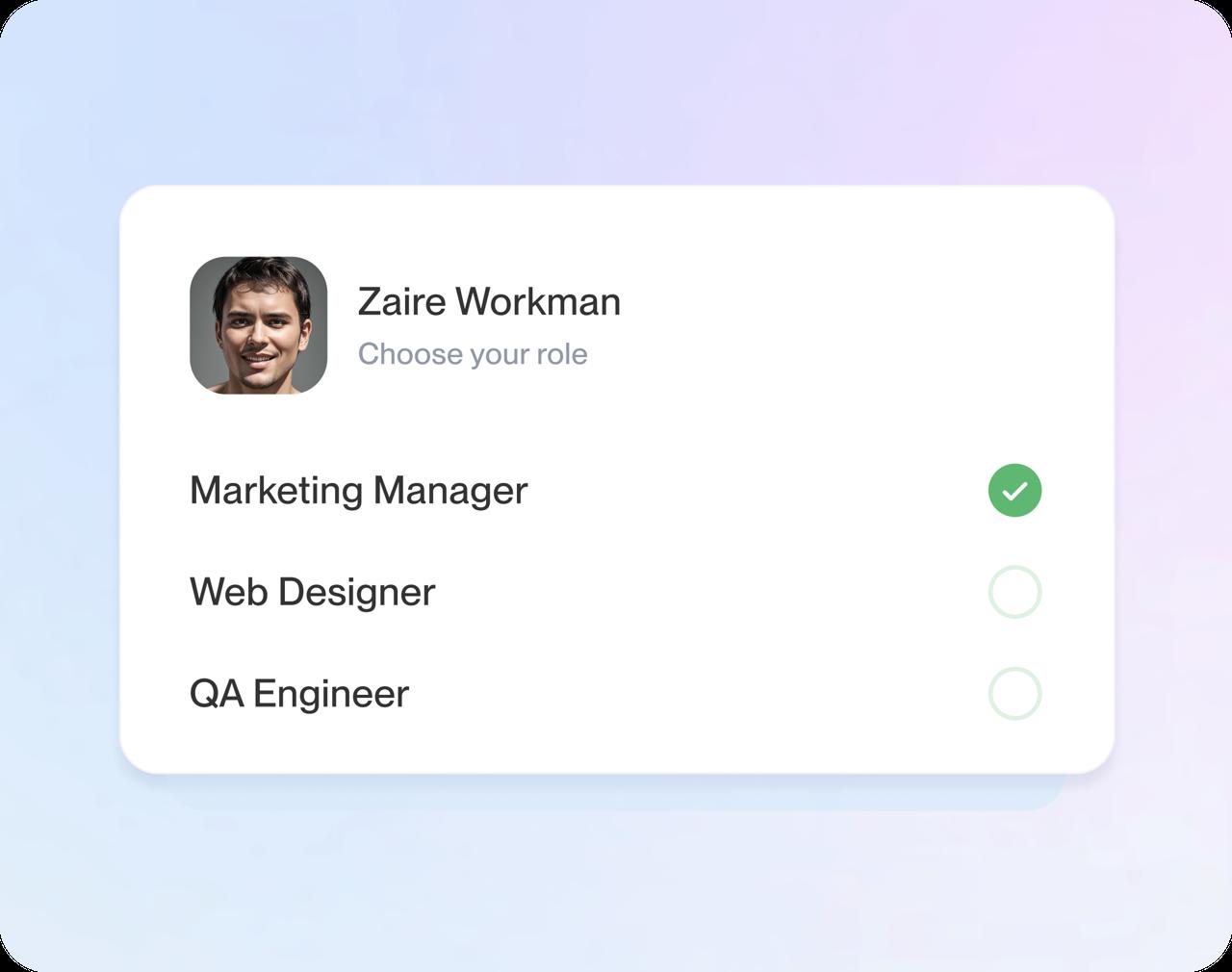
Fill in your history
Enter your jobs, schools and skills, one screen at a time. Type a job title to see suggestions you can edit.
Step 3
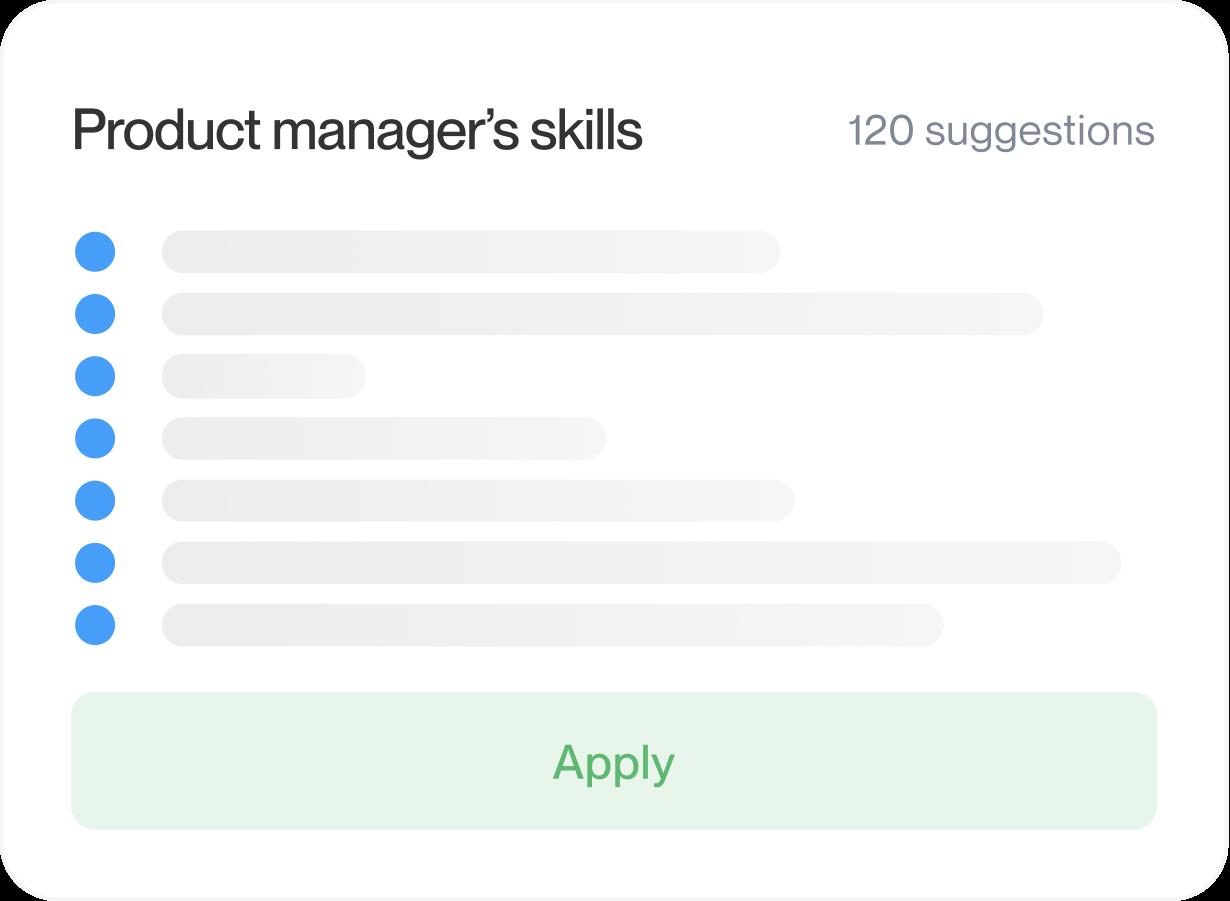
Check each suggestion against your work
Choose suggestions that describe work you actually did. Add your own details, remove anything that doesn't fit and put your most relevant experience first.
Step 4
Check it, then download
Look over the whole page, switch templates if you like, then download your resume and start applying.

Step 1
Start with a template
Say how much work experience you have, then choose a modern, traditional or creative design.
Step 3
Check each suggestion against your work
Choose suggestions that describe work you actually did. Add your own details, remove anything that doesn't fit and put your most relevant experience first.
Step 2
Fill in your history
Enter your jobs, schools and skills, one screen at a time. Type a job title to see suggestions you can edit.
Step 4
Check it, then download
Look over the whole page, switch templates if you like, then download your resume and start applying.
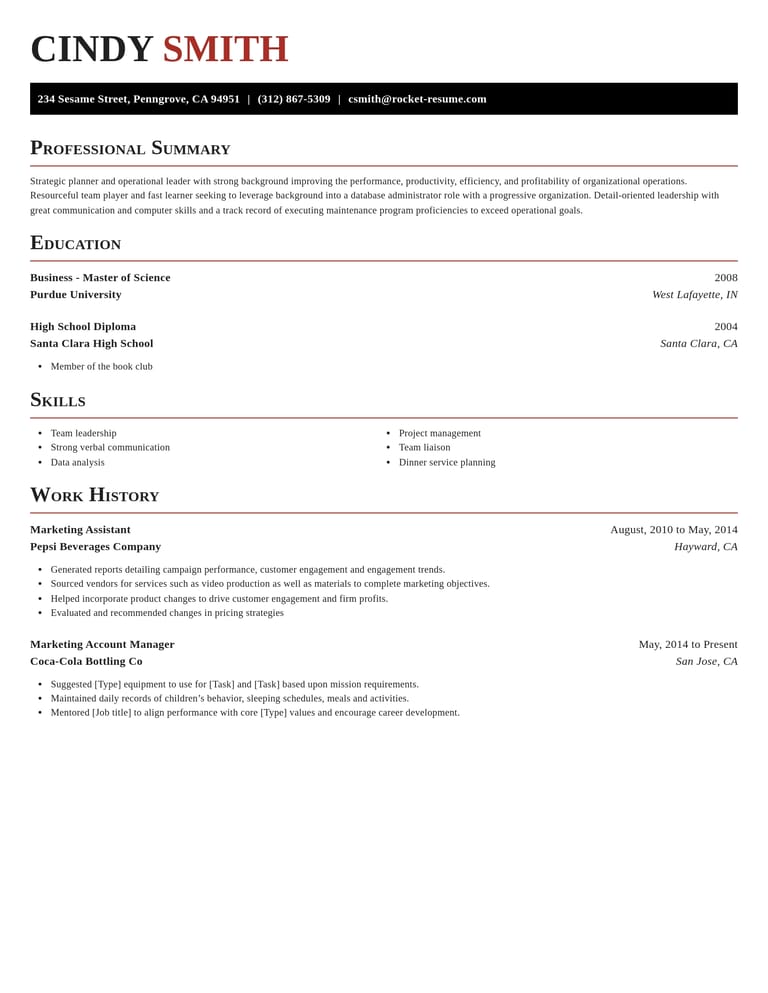
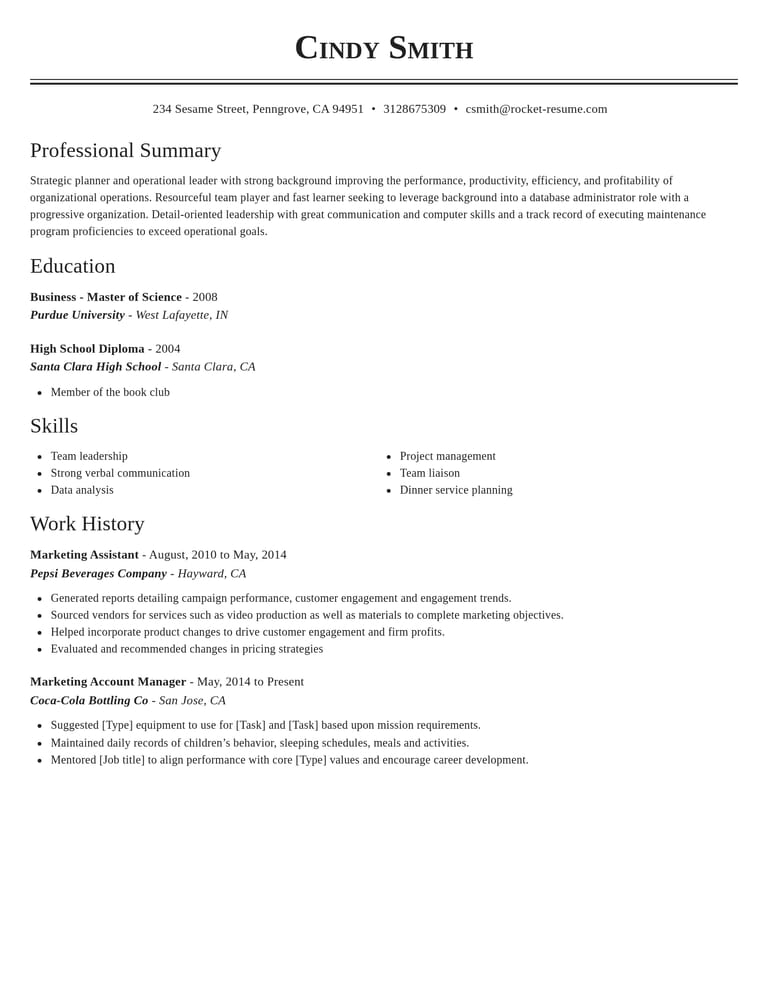
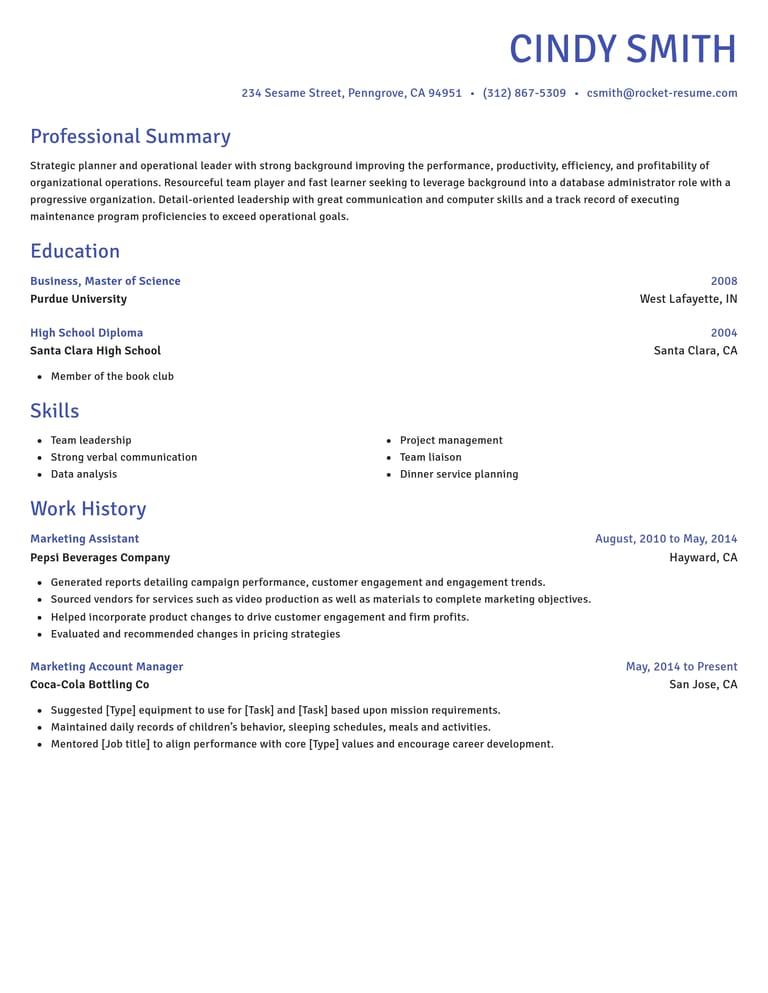
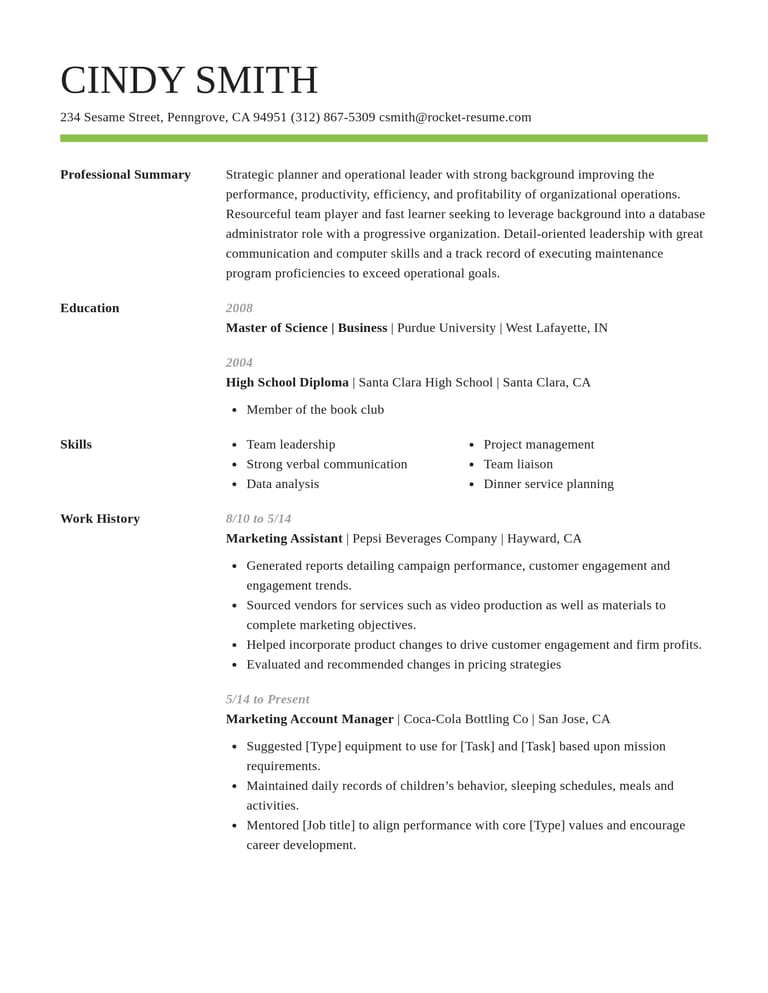
Start with a template that fits your field

Explain your work clearly in each resume section
A resume introduces your relevant experience through a few sections with different jobs to do. Writing becomes clearer when you understand what each section needs to tell the reader before choosing the wording.
Experience answers what you actually did
Start a work description with a specific responsibility, then provide the context needed to understand it. Name the task rather than relying on a broad statement that you supported operations or handled various duties.
For a fictional apartment maintenance assistant, a description might explain inspecting common areas and recording repair requests for the maintenance team. That sentence identifies work without claiming responsibility for repairs the assistant did not perform.
Scope shows the boundaries of the role
Clarify what belonged to you and what belonged to a supervisor or team. A description becomes more accurate when it distinguishes carrying out a process from designing or approving it.
Use quantities only when you can support them and they help explain the work. A clear account of a routine responsibility can be useful without a measurement or a dramatic result attached to it.
Skills name capabilities you can demonstrate
The skills section should identify relevant tools, methods, or abilities. Connect those capabilities with examples elsewhere in the resume so they do not read as an unrelated collection of labels.
Avoid treating a familiar product name as evidence of broad expertise. Describe your level through the work you performed, especially when your experience came from a class or a limited project.
Education establishes study and qualifications
State the school, qualification, and completion status plainly. When a degree is still in progress, make that status explicit rather than allowing the wording to imply graduation has already occurred.
Relevant projects or coursework can help explain preparation when work history is short. Select details that support the opening instead of giving every class equal room on the page.
The summary connects the evidence
Write the summary after you know which experience and skills the resume will contain. Introduce the relevant background or direction in concise language, leaving the detailed examples for the sections below.
Avoid starting with a chain of personal adjectives. A concrete statement about the kind of work you have done gives the introduction a foundation that broad self-description lacks.
Revision makes the account coherent
Read each section for its distinct purpose and remove descriptions that repeat information without adding context. Keep formal names and dates consistent while making ordinary sentences shorter and easier to understand.
Rocket Resume offers guided sections and editable suggestions based on a job title. Use those suggestions to find a starting point, then take responsibility for every claim you retain.
Finish by reading the resume as an account of one person's experience. The writing should make that experience understandable without requiring an impressive-sounding phrase to do the work of actual evidence.
Resume builder questions
What is the difference between a responsibility and a skill?
A responsibility describes work you handled in a particular setting. A skill names an ability used to perform work, such as a method or tool. Your experience descriptions can demonstrate the skills you list, helping the resume connect a capability with a real example instead of leaving it as an unsupported label.
Can routine duties make useful resume descriptions?
Yes. Routine work can show relevant responsibility when it is described clearly. Explain the task, its setting, and your part in it. You do not need to turn every duty into an exceptional achievement or invent a result when the responsibility itself helps explain your preparation for the opening.
How should I write about education that is not finished?
State the program and school accurately, and identify the qualification as in progress when appropriate. Use an expected completion date only when you have a reasonable basis for it. Relevant coursework can add context, but the entry should not imply that an unfinished degree has already been awarded.
Build from an example in your field
Featured this week





- 96 examples
- 8 examples
- 24 examples
- 8 examples
- 19 examples
- 17 examples





Show all industries (A–Z)Show fewer
- Aerospace & Defense, 8 examples
- Agriculture, 23 examples
- Apparel & Textiles, 13 examples
- Architecture, 15 examples
- Artificial Intelligence, 6 examples
- Arts & Entertainment, 24 examples
- Automotive, 21 examples
- Beauty & Personal Care, 17 examples
- Biotechnology & Life Sciences, 7 examples
- Business Services, 23 examples
- Chemical Engineering, 4 examples
- Childcare, 14 examples
- Construction, 106 examples
- Creative, 15 examples
- Customer Service, 17 examples
- Education, 94 examples
- Energy, 39 examples
- Environmental Science, 5 examples
- Finance, 63 examples
- Food & Beverage, 68 examples
- Government, 48 examples
- Healthcare, 160 examples
- Hospitality, 35 examples
- Human Resources, 18 examples
- Insurance, 10 examples
- Legal, 12 examples
- Logistics, 37 examples
- Manufacturing, 68 examples
- Marketing, 8 examples
- Media, 20 examples
- Military, 24 examples
- Mining & Metals, 9 examples
- Nonprofit, 8 examples
- Pharmaceuticals, 12 examples
- Public Relations, 10 examples
- Real Estate, 7 examples
- Retail, 38 examples
- Robotics, 11 examples
- Sales, 14 examples
- Security Services, 19 examples
- Social Services & Counseling, 21 examples
- Social Work, 14 examples
- Sports & Fitness, 96 examples
- Technology, 67 examples
- Telecommunications, 6 examples
- Tourism & Travel, 9 examples
- Transportation, 38 examples
- Veterinary, 9 examples
Reviews of the resume builder
from 3,900+ reviews