How to Become a Bus Driver for Schools or Transit Authorities in 2026
What becoming a bus driver takes in 2026 — CDL with P and S endorsements, biometric background checks, EV and autonomous-systems training — plus why salaries have surged past the $38,890 BLS average.

School Bus Driving as a Career in 2026
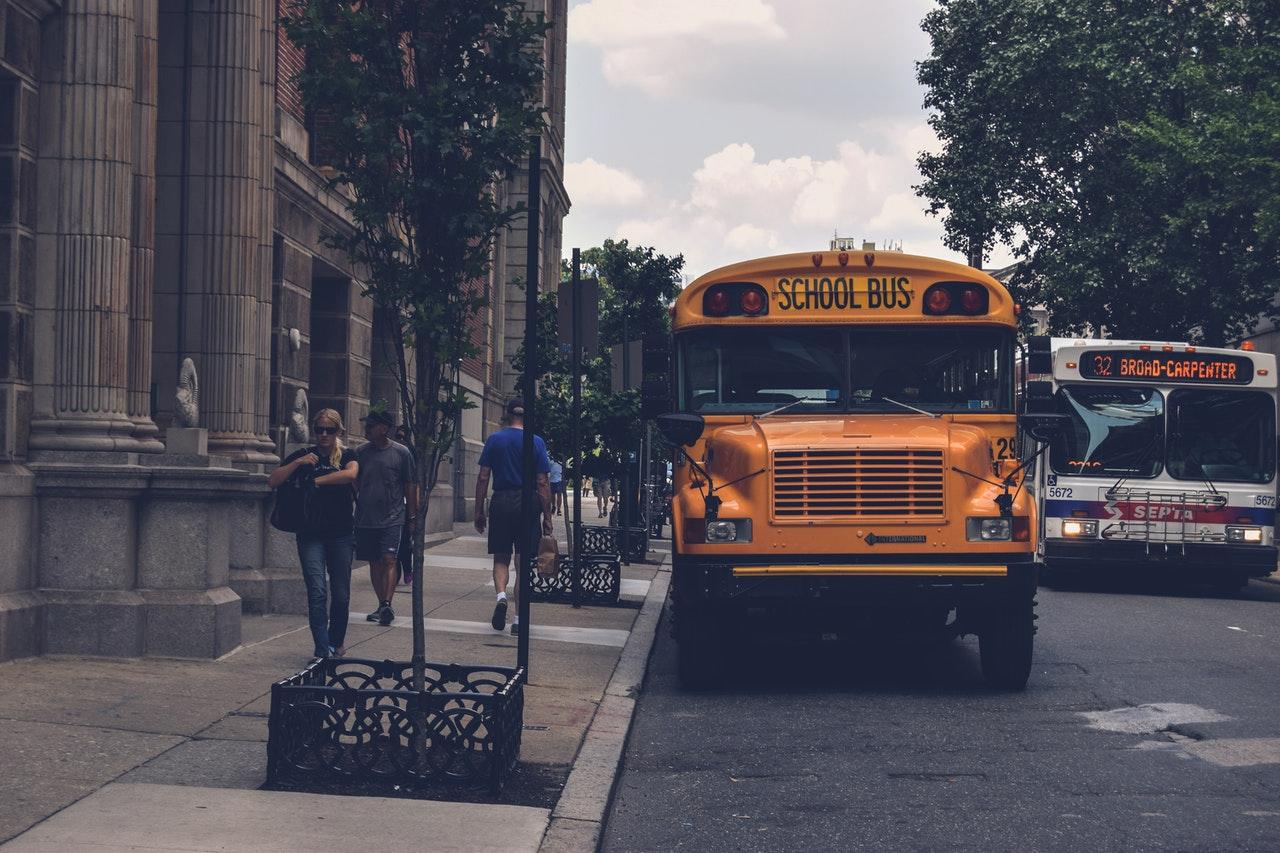
The foundational mission of a bus driver has fundamentally transformed in 2026. While the core objective remains safely transporting passengers, the rapid integration of Electric Vehicles (EVs) and autonomous, driverless assistive technologies has shifted the role from purely mechanical operating to high-tech transit systems management. Drivers in 2026 are required to monitor advanced telemetry, manage automated battery optimization systems, and supervise localized Artificial Intelligence pilots that handle standard lane-keeping and adaptive navigation. In school transit, the driver's role has heavily shifted toward passenger safety, behavioral management, and technology oversight, ensuring that the automated features function flawlessly while maintaining absolute safety protocols for the children on board.
- Why: The integration of Level 3 and Level 4 autonomous systems and high-voltage EV drivetrains requires operators to act as tech-adjacent safety managers who can instantly override automated systems during AI edge-case failures or severe weather conditions.
- How: Drivers utilize digital dashboards to track real-time kilowatt-hour consumption, monitor automated regenerative braking metrics, oversee automated boarding ramps, and interface with smart-city infrastructure grids that optimize routes dynamically.
- Example: A 2026 school bus driver monitors an AI-assisted cockpit that automatically brakes for pedestrians, leaving the driver free to focus on student behavior via digital cabin mirrors, while occasionally manual-riding the system through unmapped construction zones.
Key Takeaway: In 2026, a bus driver’s responsibilities have evolved from manual steering to high-tech vehicle systems management, blending AI supervisory skills with a heightened focus on passenger safety and EV climate efficiency.
Is Working as a Bus Driver Rewarding?
Working as a bus driver in 2026 is incredibly rewarding, offering a front-row seat to the clean energy revolution. The traditional complaints of the job—such as inhaling diesel exhaust, dealing with excessive engine noise, and suffering from physical fatigue caused by heavy mechanical steering—have been virtually eliminated by whisper-quiet, ergonomically superior electric powertrains. The historical isolation of the role has been mitigated by real-time cloud connectivity, linking drivers to active support networks and telemetry teams. While school bus drivers still navigate the split-shift lifestyle (yielding highly desirable midday freedom), they do so with premium compensation and the profound satisfaction of protecting children in zero-emission, collision-resistant smart vehicles.
- Why: The elimination of diesel fumes and loud engine vibrations drastically reduces driver fatigue, creates a calmer cabin environment for students, and significantly protects the long-term respiratory health of the operator.
- How: Modern transit authorities utilize digital scheduling apps to give drivers flexible shift-swapping capabilities, while the automated safety features of 2026 buses lower the daily cognitive stress of navigating dense traffic.
- Example: A driver enjoys a quiet, exhaust-free morning shift, utilizes a four-hour afternoon break to attend university classes online, and returns for the afternoon route feeling physically refreshed due to the bus's ergonomic, power-assisted EV chassis.
Key Takeaway: The bus driving profession is more rewarding than ever in 2026 because modern EVs eliminate physical strain, noise pollution, and toxic emissions, creating a healthier, tech-forward workspace with excellent work-life balance.
How Much Does a Bus Driver Earn?
The economics of passenger transit have shifted dramatically upward, drastically altering historical data. According to past data from the US Bureau of Labor Statistics (BLS), bus drivers historically earned an average of $37,540 per year ($18.05 per hour), with school bus drivers averaging around $38,890. In 2026, these figures have scaled massively. The widespread adoption of complex EV fleets and the specialized training required to oversee autonomous safety systems have turned driving into a highly skilled tech-operational role. Furthermore, the massive, compounding driver shortage predicted by the BLS’s projected 25% sector growth has forced school districts and municipalities to offer premium wages, sign-on bonuses, and comprehensive benefits packages to attract competent operators capable of piloting asset-heavy smart fleets. Our average bus driver salary breakdown digs deeper into how these figures differ between school and transit roles.
- Why: Operating a multi-ton electric vehicle embedded with AI driverless safety suites requires specialized technical competencies, justifying higher base salaries and turning transit driving into a competitive career path.
- How: Driver scarcity allows operators to command higher hourly rates, secure robust health and retirement benefits, and leverage clean-energy state subsidies aimed at modernizing public transit workforces.
- Example: A school bus driver leverages their specialized EV certification to secure a premium hourly wage package that far outpaces historic inflation, complemented by a retention bonus from a school district eager to keep certified technical drivers.
Key Takeaway: Due to a massive demand for skilled technical labor, 2026 bus driver salaries have surged well beyond historic BLS averages, rewarding operators who possess specialized EV and autonomous systems certifications.
How to Become a Bus Driver: Training, Licenses and More
If you want to become a bus driver in 2026, the pathway remains highly accessible, though it now features specialized modern updates. The entry barriers are low, but the training curriculum is tailored for the electric age.
Formal Education and Certifications
While a college degree is not required, the baseline technical certifications have adapted. Traditional air brake certification remains vital for heavy vehicles, but it is now paired with EV high-voltage safety training and regenerative braking system orientation. Drivers learn how heavy electric battery packs alter a vehicle's center of gravity and stopping distances, combining classic mechanical knowledge with modern electrical physics.
- Why: Heavy EV battery arrays fundamentally alter vehicle dynamics, requiring drivers to understand thermal runaway protocols, high-voltage isolators, and electronic air brake integration.
- How: Candidates complete specialized technical modules alongside traditional commercial driving courses, frequently subsidized by hiring transit agencies.
- Example: A trainee practices handling a heavy electric bus on wet roads during an air brake certification course, learning exactly how automated regenerative braking supplements physical stopping power.
Key Takeaway: Formal education requirements are minimal, but 2026 drivers must supplement classic certifications with specialized electric vehicle drivetrain training.
Security Checks
Security standards in 2026 are exceptionally thorough, leveraging real-time digital databases to protect vulnerable passenger populations. Because school bus drivers are trusted with smart vehicles carrying children, the vetting process is ironclad and continuous.
- Why: Ensuring student safety requires absolute certainty regarding a driver's background, particularly in an era of digital tracking and automated student check-ins.
- How: State agencies utilize biometric fingerprint scanning, instantaneous multi-jurisdictional background checks, and automated scheduling for random drug and alcohol screenings.
- Example: A driver applicant submits biometrics at a local digital kiosk, clearing an automated federal and state background check within 48 hours to fast-track their employment onboarding.
Key Takeaway: Background checks are robust, immediate, and continuous in 2026, ensuring that school bus drivers meet the highest possible standards of integrity and safety.
Licenses
The progression from a standard driver’s license to a Commercial Driver’s License (CDL) via a Commercial Learner’s Permit (CLP) remains the golden standard. However, the 2026 CDL testing process includes specific endorsements for advanced driver assistance systems (ADAS) alongside passenger (P) and school bus (S) endorsements, and the FMCSA publishes the authoritative rundown of commercial driver’s license classes and endorsements. Maintaining a clean driving record is paramount; automation does not excuse human negligence, and points on a personal record are heavily penalized.
- Why: Specialized endorsements guarantee that the driver understands the strict legal boundaries and operational physics of driving large, passenger-carrying smart vehicles.
- How: Drivers study state CDL manuals updated with autonomous-override regulations, passing both a computer-based knowledge test and an on-road skills test.
- Example: A driver successfully tests for their Passenger and School Bus endorsements, demonstrating to the examiner that they know how to manually override an autonomous lane-keep system during an emergency event.
Key Takeaway: Acquiring a CDL with proper P and S endorsements is essential, and in 2026, it requires demonstrating competency in both manual steering and autonomous safety override protocols.
Health Checks
The physical demands of driving have shifted, but medical scrutiny remains vital. While drivers do not need perfect uncorrected vision, they must demonstrate excellent situational awareness, rapid peripheral reflex tracking, and physical stamina to manage emergency evacuations.
- Why: Operators must be physically capable of taking manual control of a vehicle instantly during an unexpected medical or technical emergency.
- How: Drivers undergo routine Department of Transportation (DOT) physicals, hearing tests, and vision examinations, utilizing corrective lenses if necessary to pass.
- Example: A veteran bus driver passes their annual DOT physical with corrective contact lenses, proving their physical readiness to safely operate an electric vehicle transit line.
Key Takeaway: Regular health and vision screenings ensure that 2026 bus drivers possess the physical stamina and sharp reflexes needed to manage high-tech mass transit vehicles.
Conclusion
In 2026, the bus driving profession has successfully transitioned into a respected, tech-forward, and highly stable career. The dawn of electric vehicles and autonomous driverless assistive technologies did not replace the human driver; instead, it elevated the role into that of a highly skilled transit systems manager. With modern EV fleets eliminating the noise, physical exhaustion, and diesel emissions of the past, drivers enjoy a cleaner and more rewarding work environment. Driven by severe nationwide shortages and the technical nature of managing smart vehicles, school bus driver salaries have risen well above historical BLS baselines. By securing a CDL, mastering EV systems, and obtaining standard air brake certifications, anyone entering the workforce in 2026 can step into a secure, lucrative, and environmentally meaningful career that keeps society moving safely forward.
How to Apply for Bus Driver Roles
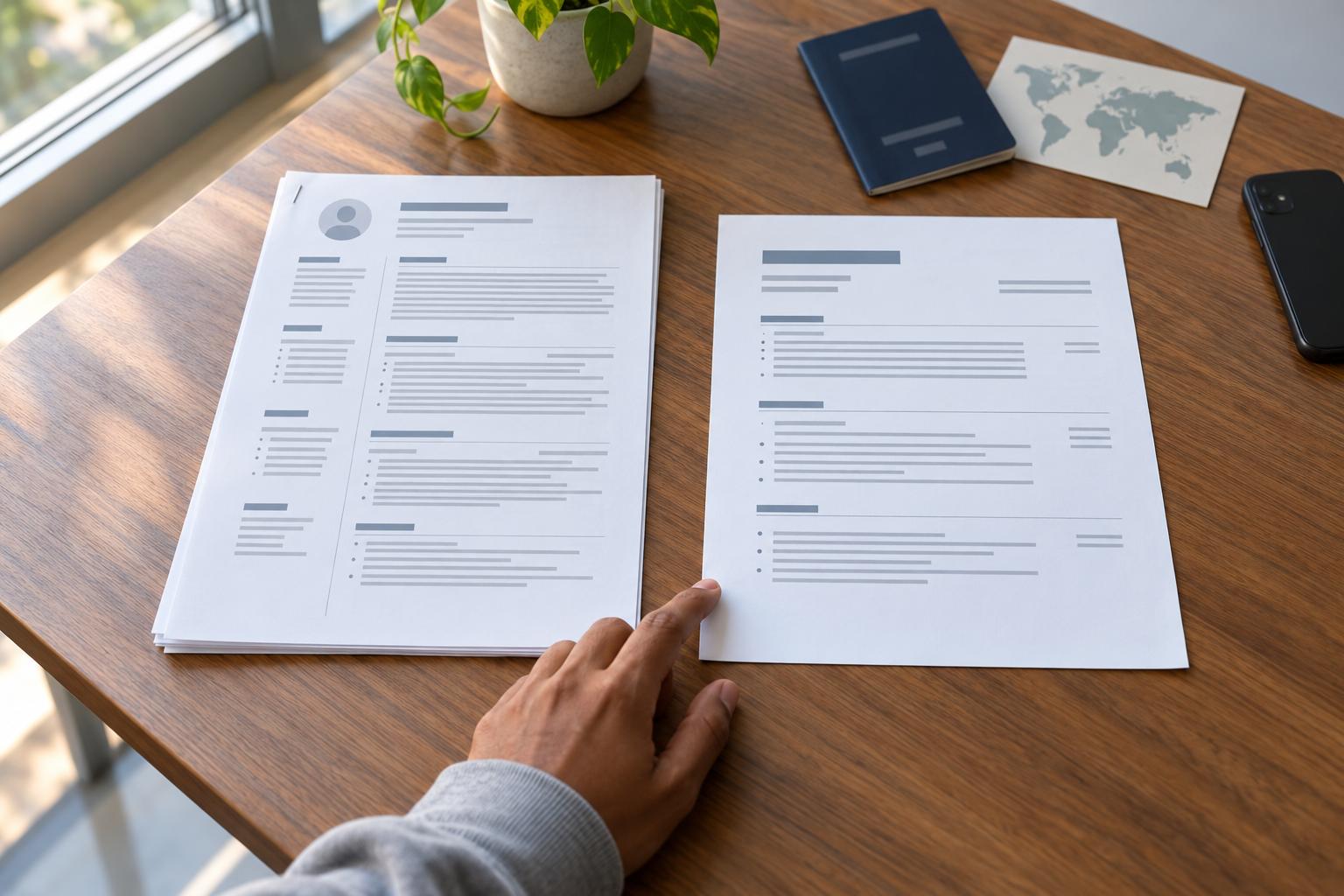
The first step to getting a job offer as a bus driver is crafting your resume. It’s what will get you invited to interviews, and a well-written resume can also help you negotiate a higher starting salary.
Your resume needs to emphasize your experience, skills and licenses, while also being attractively laid out and machine-readable. Plus, it should always be customized to the company you’re applying to.
We have millions of bus driver resume templates that will help you get started. Our resume builder can also suggest the ideal resume structure for you, based on your experience level, and recruiter-approved phrasing. You’ll be able to create your resume in minutes.
Once you’ve written your resume, it’s time to start applying for jobs. Don’t forget to craft a cover letter explaining why you’re applying for this role, and to practice answers to common interview questions.
Although applying for jobs can be intimidating, it’s worth it when you have a rewarding, stable career that pays a decent wage. So build your resume now and start applying for bus driver jobs.
Browse our resume templates
Pick a design you like, then fill in your resume one section at a time.