How to Become a Hairstylist
The four steps to becoming a licensed hairstylist, from cosmetology school costs of $10,000 to $20,000 and roughly 1,500 training hours to state board exams and urban vs suburban salary ranges.

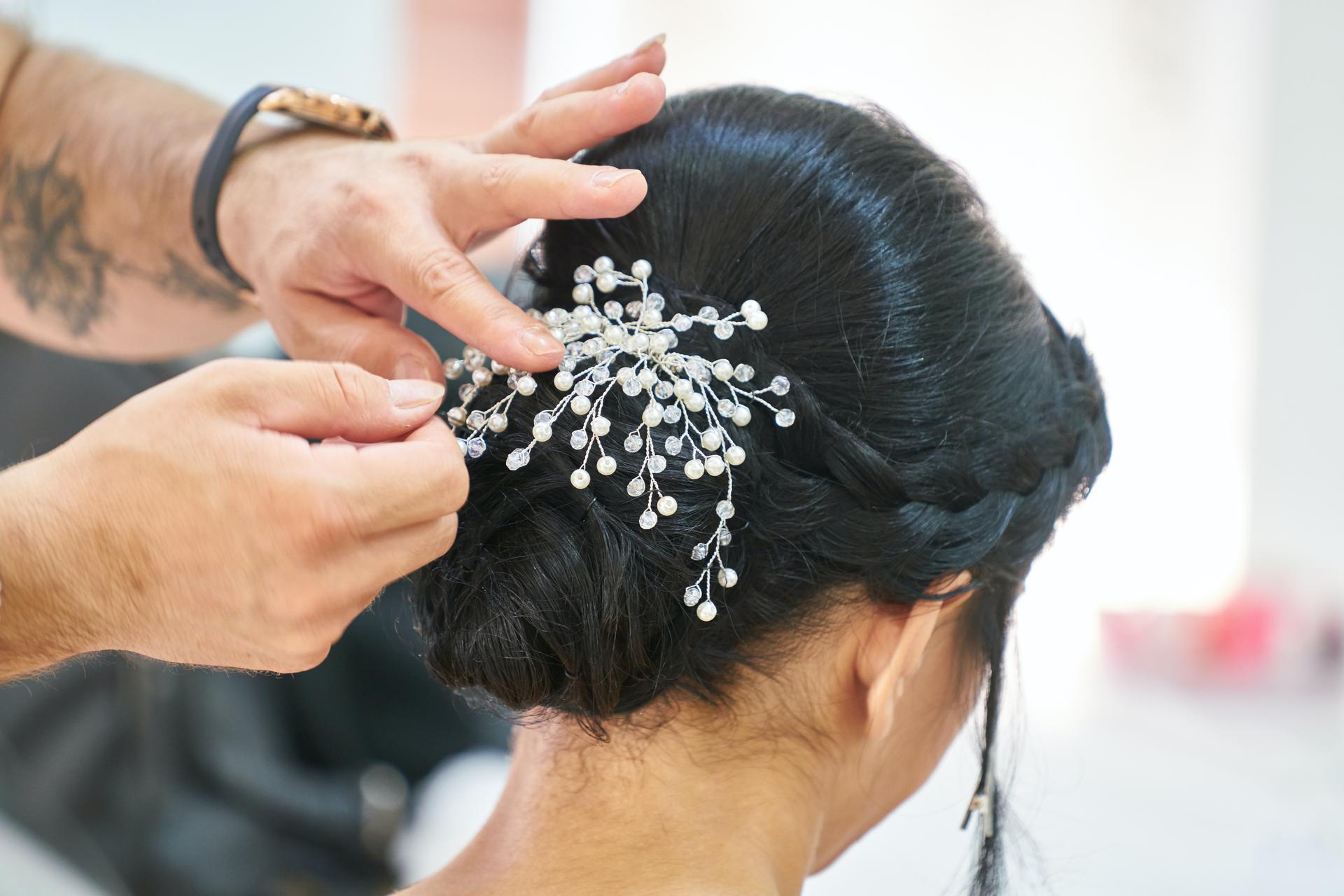
If you have a passion for hair but aren't sure how to turn that creativity into a career, the path is more straightforward than you might think. You don’t need a decade of study to get started; in fact, you can transition into the professional industry in four manageable steps.
Step 1: Go to Hairdressing School
The journey begins with formal education. To enroll, you generally need to be at least 16 years old, hold a high school diploma or GED, and occasionally pass a background check depending on your location. If you are weighing a wider beauty career, the broader cosmetology licensing path covers the full license many hairstylists ultimately pursue.
Why: Formal education ensures you understand the science of hair (like chemical reactions in dye) and the safety protocols required by law to protect your clients and yourself. How: Research accredited programs in the state where you intend to work. According to the American Association of Cosmetology Schools, costs range from $10,000 to $20,000, which often includes your tuition, hair kits, and textbooks. Example: If you live in California, enroll in a California-based beauty school to ensure your 1,000+ hours of coursework align specifically with that state’s licensing board requirements.
Key Takeaway: Your education is the foundation of your career; choose a school in your target state and look into financial aid to help cover the investment.
Step 2: Complete Your Hairstylist Training Hours
Before you can fly solo, you must log approximately 1,500 training hours (depending on your state) working alongside an experienced professional.
Why: Textbooks provide the theory, but hands-on training bridges the gap by letting you feel different hair textures and observe real-world client interactions. How: Work closely with a mentor in a salon environment. Use this time to shadow their movements, ask specific questions about their process, and practice your skills in a supervised "safe zone." Example: While a book explains how to apply highlights, your training hours are where you’ll actually hold the foils and learn how to prevent "bleeding" or spotting during the application.
Key Takeaway: Training hours allow you to make mistakes and build the physical confidence needed for professional work before you are on your own.
Step 3: Get Your Hair Design License
Once your hours are logged, you must pass a state-administered exam to legally practice. This usually involves a written test and a practical demonstration. Requirements vary, so check your state's hair design license requirements before you register.
Why: Licensing acts as a quality control measure, ensuring every working stylist meets a minimum standard of safety, sanitation, and technical skill. How: Register for your state's board exam after your school confirms your hours. You will need to pay a registration fee and bring your own supply kit for the practical portion. Example: During the practical exam, a proctor will watch you perform a specific service—like a haircut or chemical wrap—to ensure you follow proper sanitation steps, such as sanitizing your station between steps.
Key Takeaway: You cannot legally work as a professional stylist without passing both the written and practical exams required by your specific state.
Step 4: Hairdressing Skills To Include On Your Resume
Whether you plan to open your own salon or join an established team, your resume needs to shine. You’ll need to highlight both your technical "hard" skills and your "soft" interpersonal qualities. Many of these skills also transfer if you later consider becoming a beautician with a broader service menu.
Why: Salon owners look for stylists who are not just good with scissors, but who can also keep a clean station and build a loyal client base that keeps the business profitable. How: Reference your hair stylist resume to ensure you include keywords like "color theory," "sanitation," "customer relationships," and "latest salon techniques." Example: Instead of just saying you are "friendly," list it as: "Proven ability to build and maintain strong customer relationships, resulting in a high rebooking rate during apprenticeship."
Key Takeaway: A balanced resume that proves you have both the technical chops and the personality to retain clients is what gets you noticed by top-tier salons.
Step 5: Understand Urban vs. Suburban Salary Estimates
Before choosing a location to practice, it is vital to understand how geography impacts your earning potential. While urban areas often boast higher gross salaries, suburban areas can offer a different balance of stability and lower overhead. The official wage data for hairstylists from the Bureau of Labor Statistics is the most reliable baseline for comparing markets.
Why: Compensation varies significantly due to local demand, cost of living, and the "premium" clients are willing to pay for trendy or high-end services in major cities. How: Research local market data using tools like the Bureau of Labor Statistics or industry-specific salary surveys. Consider not just the base pay, but the commission structure—many salons offer a "commission vs. hourly" model where you are paid whichever amount is higher for that pay period. Example: In a major urban hub like Seattle, WA, a stylist might earn an average of $62,410 per year due to high demand for specialized services like balayage. In contrast, a stylist in a more suburban or mid-sized market like Allentown, PA, might see an average closer to $30,335, but may benefit from a lower cost of rent and a more consistent, long-term local clientele.
Salary Estimates Overview (2024–2026 Projections)
Urban/Metropolitan Centers: * Average Range: $35,000 – $62,000+ per year. High-End Potential: In cities like San Francisco or New York, top earners in the 90th percentile can exceed $54,000 to $75,000, especially when including tips and luxury commissions. Suburban/Smaller Markets: Average Range: $28,000 – $42,000 per year. Note: While the base salary may be lower, suburban stylists often experience higher client retention rates and lower competition, leading to a more stable income over time.
Key Takeaway: Urban areas generally offer the highest "ceiling" for earnings but come with higher living expenses; suburban roles offer a steadier pace and can be more financially manageable for those starting out.
Conclusion
The transition from a hair enthusiast to a professional stylist is a rewarding journey involving structured education, hands-on practice, and legal certification. By choosing the right school, clocking your hours, and passing your state exams, you turn your creative passion into a legitimate career path. And if skincare draws you as much as hair, the esthetician career option follows a similar schooling and licensing journey.
However, going through all the hairstylist schooling, hands-on training, and rigorous examinations can be incredibly time-consuming—and that’s not even including the daunting task of building a high-impact resume. You want to have the finest resume possible to give you the best chance of getting noticed and hired by a premier employer. Tailoring your professional story can be challenging, but with expert help guided by professionals, Rocket Resume can craft your resume to pristine perfection. Sign up today and you’ll get 20% off a resume that will help land you your dream hairstylist job.
Browse our resume templates
Pick a design you like, then fill in your resume one section at a time.