Truck Driver Opportunities in the World of AI & Autonomous Drivers
What truck drivers earn in 2026 — a $57,440 BLS median, $86,684 average on Indeed, and 65 to 85 cents per mile — plus how autonomous convoys, AI dispatch, and safety bonuses reshape driver pay.

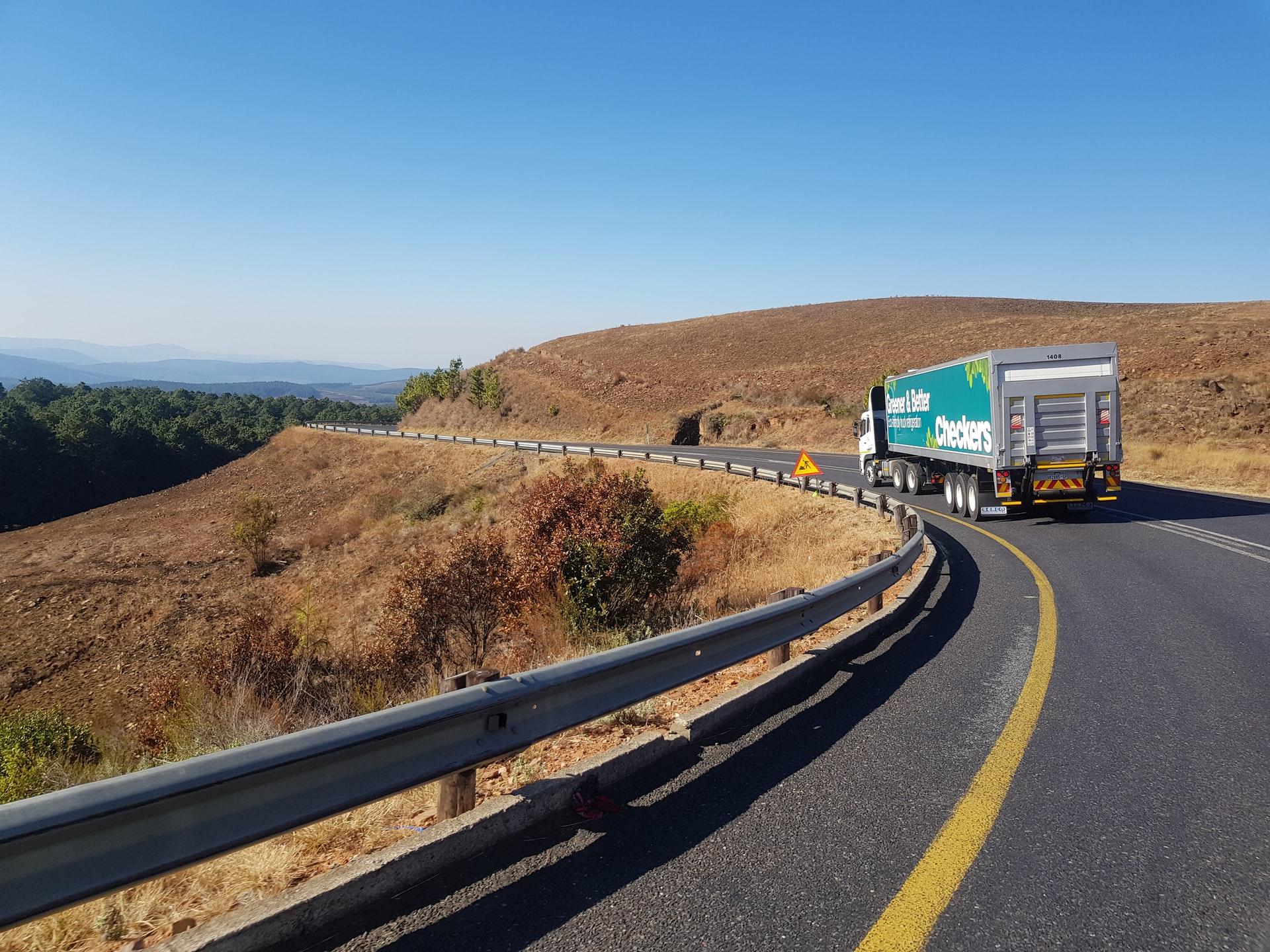
The road stretching out ahead of you, the hum of an advanced electric drivetrain, and the security of knowing that even in an era of automation, your expertise is highly sought after: there is a lot to like about being a truck driver in 2026. While the landscape of transportation has shifted dramatically due to artificial intelligence, the internet of things (IoT), and autonomous vehicles, human drivers remain the indispensable backbone of global logistics. You get to experience high-tech independence and an ever-changing view from your cabin window. Job prospects remain incredibly robust, and compensation models have evolved to reflect the highly specialized, tech-forward skills required today.
If you are considering entering the industry but wondering how much you will actually earn in this modern environment, keep reading. We will break down exactly how much a truck driver makes in 2026, including the ways AI has altered pay structures, created new career pathways, and shifted the skills required to succeed. For a step-by-step look at entering the field, see our guide to becoming a truck driver in the AI era.
How Much Does a Truck Driver Make?
Historically, most truck drivers were paid purely by the mile plus occasional bonuses. In 2026, while the traditional "per-mile" pay structure still exists for traditional long-haul routes, autonomous vehicle (AV) integration and advanced AI route-optimization software have fundamentally transformed compensation. Today, many companies offer hybrid salary structures that blend guaranteed hourly or base rates with mileage and tech-utilization bonuses. Drivers are frequently compensated not just for navigating the highway, but for monitoring sophisticated autonomous driving systems, acting as "remote vehicle operators," or handling complex "first-and-last mile" urban deliveries where autonomous trucks cannot safely navigate. For a seasoned long-haul driver, that often means blending traditional mileage pay with new tech-supervision premiums.
Fortunately, there are plenty of data resources that offer concrete insight into what truck drivers earn annually. The US Bureau of Labor Statistics (BLS) remains the gold standard for tracking commercial driver compensation. According to its updated data, the median yearly wage for heavy and tractor-trailer truck drivers has risen to $57,440. However, top earners and specialized technological fleet operators frequently see wages scaling far past this baseline. For a comparison with other professional driving careers, see our breakdown of the average bus driver salary.
Industry-wide wage growth has shifted upward significantly due to a sustained premium placed on tech-certified human operators. For instance, jobs site Indeed.com surveyed 626,400+ truck drivers over a three-year period and found that a truck driver in the United States makes an average of $1,667 per week—which equates to roughly $86,684 annually, excluding additional benefits. Furthermore, specialized portals like Truck Driver Jobs in America show that a massive share of modern listings regularly advertise average yearly earnings scaling past $90,000 to $100,000 for operators handling hazardous materials, heavy loads, or tech-integrated logistical fleets.
- Why: Compensation has escalated because the role has transformed from manual labor to a technical skill set. Companies are willing to pay a premium for drivers who can safely operate, troubleshoot, and co-pilot autonomous and AI-driven commercial trucks.
- How: Freight networks use AI-driven scheduling to ensure human drivers spend less time idling and more time maximizing their legally allowed active hours, directly translating to higher weekly and annual paychecks.
- Example: A regional driver in 2026 signs with a major logistics carrier, earning a base salary of $65,000 to monitor a Level 4 autonomous convoy on the interstate, plus performance bonuses that push their actual annual earnings to $92,000.
- Key Takeaway: Truck driving wages have risen significantly, with platforms like Indeed highlighting average earnings around $86,684 annually as the job transforms from pure manual labor into a highly paid, tech-assisted operation.
How Much Can a Truck Driver Earn in a Month?
If knowing a truck driver’s yearly pay requires accounting for variables, estimating monthly or weekly earnings can be even trickier. Although many modern trucking jobs in 2026 guarantee a minimum weekly pay-out to ensure financial stability against fluctuating supply chains, you can easily exceed those baselines.
Monthly earnings heavily depend on whether you are a regional driver doing local runs, supervising long-haul autonomous freight transfers at hub-to-hub transfer stations, or optimizing your driving schedules via smart-contract platforms. Because AI dispatch algorithms now minimize "deadhead" miles (driving an empty truck) and optimize reload schedules instantly, a driver’s monthly income is more consistent than ever before, with high-demand months yielding lucrative performance bonuses. Even so, monthly totals remain bounded by federal hours-of-service rules, which cap how many hours you can legally drive.
- Why: AI logistical planning eliminates the unpredictability of old-school dispatching, meaning drivers rarely sit waiting for a load, allowing them to consistently hit or exceed their monthly financial targets.
- How: Logistics companies utilize predictive demand modeling to position trucks exactly where manufacturing and retail surges occur, ensuring a steady stream of highly compensated monthly dispatches.
- Example: A driver sets a minimum target of $5,500 per month, but due to an autumn surge in e-commerce fulfillment routed automatically to their truck by an AI logistics system, they take home $7,200 for the month.
- Key Takeaway: Monthly pay is more stable and predictable in 2026 thanks to AI-optimized dispatch systems that eradicate empty miles, allowing drivers to regularly surpass their guaranteed minimum weekly baselines.
How Much Do Truck Drivers Get Paid Per Mile?
When looking at mileage-based pay, historical data sets the foundation. A foundational survey by the American Transportation Research Institute (ATRI) showed that truck drivers previously made an average of $0.566 per mile in pure wages. In 2026, that per-mile baseline has risen dramatically, often ranging between $0.65 and $0.85 per mile for standard human-driven routes, and even higher for specialized technical fleets.
There can be a massive variation in per-mile rates depending on the carrier, the complexity of the route, and the level of automation involved. Drivers who manage specialized fleets or operate "mixed-mode" routes—where they handle intricate city driving before handing the vehicle over to autonomous highway systems—earn premium rates.
Furthermore, driving for a private fleet remains an exceptionally lucrative path. Private-fleet drivers (working directly for dedicated retailers or manufacturers rather than third-party logistics firms) earn significantly higher per-mile totals. The ATRI’s long-standing research highlights that private-fleet drivers often earn double the combined wages and benefits of their peers in for-hire fleets. However, do not overlook the composition of the pay package: large carriers frequently leverage comprehensive benefits packages and tech stipends to offset slightly lower base per-mile rates compared to small, agile carriers.
- Why: Driving demands a higher per-mile premium in 2026 because operators must maintain hyper-vigilance, oversee onboard telemetry, and manage complex freight networks in tandem with automated systems.
- How: Companies reward drivers per mile based on their safety tier and efficiency score, which are tracked in real-time by AI dashcams and telematics.
- Example: A private-fleet driver overseeing a high-value shipment across the Midwest pulls in a premium rate of $0.80 per mile, significantly outpacing the historical averages outlined by the ATRI.
- Key Takeaway: Per-mile rates have adjusted upward from historical ATRI baselines, with specialized private-fleet operators commanding the highest premiums as they manage complex, tech-assisted freight corridors.
How Much Do Truck Drivers Make in Bonuses?
Bonuses are no longer reserved strictly for corporate executives; they have become a fundamental tool for retention in the 2026 trucking industry. Historically, ATRI data indicated that the most common bonuses paid by trucking firms revolved around onboarding, safety milestones, and long-term driver retention. Today, these metrics are closely analyzed by AI driver-monitoring platforms to award bonuses dynamically and transparently.
Sign-on and retention bonuses remain incredibly lucrative, but the real evolution is in safety and efficiency bonuses. Because modern trucks are equipped with advanced telemetry and AI collision-avoidance assistance, drivers who successfully co-operate with these systems to maintain a perfect safety record or achieve optimal battery/fuel efficiency receive substantial monthly or quarterly payouts. Rather than being rigid and slow, these incentives are frequently gamified and distributed automatically via corporate payroll apps, making bonuses an active, reliable component of a driver’s standard income.
- Why: Insurers offer massive discounts to fleets with impeccable safety data. Trucking companies actively pass these savings directly down to the drivers in the form of safety bonuses.
- How: Onboard AI telematics track driving smoothness, lane discipline, and intervention rates, calculating a monthly safety score that dictates the bonus payout.
- Example: A driver receives an automated $500 quarterly bonus simply because their onboard AI safety assistant verified they had zero hard-braking incidents or distracted-driving warnings over a 90-day period.
- Key Takeaway: Trucking bonuses have shifted from rare perks to automated, tech-driven payouts, rewarding drivers directly for safety, efficiency, and seamless collaboration with AI systems.
What Benefits Do Truck Drivers Get?
In 2026, the baseline benefits package for a commercial driver is incredibly comprehensive, covering health and dental insurance, vision coverage, life insurance, paid sick leave, and matching 401(k) retirement plans. However, competitive pressure to attract skilled operators has forced companies to expand their offerings far beyond the basics.
According to historical trends tracked by the ATRI, roughly half of all trucking firms provided per-diem allowances—fixed, tax-free daily stipends meant to cover food, lodging, and incidental road expenses. Today, these per-diems are standard practice, managed smoothly via digital corporate expense accounts. Furthermore, modern benefits packages frequently feature unique lifestyle and educational perks. Tuition reimbursement programs have evolved to pay for advanced certifications in robotics, automated systems management, and supply chain logistics. Additionally, passenger and pet policies remain highly popular, allowing drivers to bring along loved ones or companion animals to maintain high morale on the road.
- Why: With tech companies and traditional shipping firms competing for the same pool of technically skilled commercial drivers, robust benefit packages are the primary tool used to prevent driver turnover.
- How: Enterprise fleets bundle standard medical coverage with cutting-edge digital health perks, such as remote telemedicine access designed specifically for drivers resting at highway hubs.
- Example: A driver utilizes their carrier’s educational benefit to get a fully funded certification in Autonomous Fleet Operations, paving the way for a transition into a remote logistics manager position down the road.
- Key Takeaway: Driver benefits in 2026 have evolved to become comprehensive and tech-forward, matching traditional corporate health and retirement plans while adding valuable educational pathways for long-term career advancement.
Do Truck Drivers Have Expenses?
In the modern landscape, company-employed truck drivers face very few out-of-pocket expenses, making the occupation a highly efficient way to build savings. Before hitting the pavement, you must secure your Commercial Driver License (CDL). In 2026, CDL training programs have adapted to include mandatory modules on operating autonomous safety systems and interfacing with AI navigation software. The initial cost depends on whether you seek a Class A, B, or C license and if you complete an accredited training academy. Many large-scale carriers will completely sponsor or reimburse this upfront training cost to secure your commitment to their fleet.
If you are employed by a carrier to drive their company equipment, your day-to-day operational expenses are virtually zero. Major logistics infrastructure costs—such as fuel, electric charging, vehicle insurance, highway tolls, tire replacements, and regulatory permits—are fully covered by your employer. Drivers are equipped with integrated corporate fleet cards. These cards are utilized at the pump or charging station, and they plug directly into the vehicle's AI maintenance log, automatically authorizing payments for routine upkeep, mechanical repairs, or software re-calibrations along the route. Your only personal expenses are what you choose to spend on personal comfort, food, or specialty coffee—costs that are frequently offset by your tax-free per-diem allowance.
- Why: Modern fleet logistics rely on unified data. By fully covering operational costs and managing expenses through corporate fleet cards, companies can track the precise "per-mile" cost of every vehicle via automated cloud software.
- How: Onboard AI diagnostic tools automatically communicate with highway rest centers and maintenance shops, pre-authorizing company funds for parts or energy before the truck even pulls into the bay.
- Example: While executing a cross-country haul, the truck’s internal diagnostics flag an upcoming sensor calibration. The driver pulls into an authorized hub, uses the digital fleet card to finalize the service, and departs without spending a single dollar of their own money.
- Key Takeaway: Company drivers in 2026 bear almost no personal financial liability for operations; advanced corporate fleet systems fully cover fuel, power, and maintenance, leaving drivers to focus solely on managing their routes safely.
New Career Opportunities Born from Autonomous Technology
The narrative that driverless technology would completely eliminate the trucking profession has proven false in 2026. Instead, autonomous vehicle (AV) frameworks have unlocked entirely new, less physically demanding career paths for commercial drivers. While fully driverless middle-mile operations handle highly predictable highway stretches, they rely heavily on human expertise at specialized "transfer hubs." Industry data from the American Trucking Associations shows human drivers still move the overwhelming majority of American freight, which is why the industry keeps investing in them. Coordination work is expanding too: a trucking dispatcher career remains a natural next step for drivers who want to move into remote operations.
Drivers are transitioning into high-paying roles as Local First/Last-Mile Specialists, taking over heavy loads where robotic systems fail: in chaotic urban environments, tight construction zones, and complex loading docks. Furthermore, experienced drivers are being recruited as Remote Fleet Directors and On-Road Safety Operators, monitoring multiple autonomous trucks simultaneously from centralized command centers and stepping in via teleoperation when an AI encounters a scenario it cannot resolve.
- Why: AIs excel at predictable, monotonous highway driving, but they lack the high-level cognitive reasoning required to navigate unpredictable city infrastructure, dynamic weather emergencies, or nuanced human communication at delivery bays.
- How: Fleets use a "hub-to-hub" logistics model. Autonomous trucks handle the long interstate stretches, then hand the trailers off to human drivers at regional hubs who manage the complex final delivery legs.
- Example: A veteran long-haul driver retires from sleeping in a cabin weeks at a time to take a local job matching autonomous trailers to local retail outlets, returning home to their family every single evening while earning a premium salary.
- Key Takeaway: Driverless technology has not eliminated jobs; it has created cleaner, localized, and safer career opportunities like First/Last-Mile Specialists and Remote Fleet Operators, allowing drivers a better work-life balance without sacrificing pay.
The Essential New Skill Sets Drivers Must Acquire
To capture the most lucrative opportunities in 2026, the definition of a skilled driver has shifted from pure mechanical execution to technical proficiency. The modern commercial driver must be fluent in Socio-Technical Supervision. This means mastering advanced telemetry systems, interpreting lidar and radar diagnostic feeds, and understanding machine learning boundaries.
Drivers must be trained to maintain "active vigilance" while a truck is in automated mode, knowing exactly when to let the AI steer and precisely how to intervene safely during system anomalies. Additionally, with the transportation sector facing highly complex cyber threats, drivers must undergo basic Cybersecurity and Digital Compliance Training to ensure that automated logbooks, connected cargo sensors, and vehicle-to-infrastructure (V2I) communication networks remain secure against remote disruptions.
- Why: As trucks become rolling data centers, a driver who only knows how to steer is no longer viable. Carriers require technical operators who can troubleshoot software glitches, recalibrate sensors on the fly, and prevent digital cargo theft.
- How: CDL schools and corporate training programs have integrated simulator-based software training and AI diagnostics into their core curriculums, making technical aptitude a requirement for licensing.
- Example: A driver notices an alert on their dashboard indicating a lidar sensor misalignment due to heavy mud. Instead of waiting hours for a tow truck, they use their training to execute a manual sensor wipe and digital recalibration via the truck’s terminal, saving the route.
- Key Takeaway: The top earners in 2026 are those who supplement their driving skills with technical expertise, mastering AI diagnostics, situational telemetry monitoring, and digital fleet cybersecurity.
Conclusion
As we navigate 2026, it is abundantly clear that artificial intelligence and autonomous technology have not replaced the American truck driver—instead, they have elevated the profession. What was once an exhausting, purely manual job has transitioned into a sophisticated, tech-assisted career. Driven by massive volumes of real-time data from the BLS, Indeed, and the ATRI, driver compensation has adjusted upward to reflect this reality, offering excellent annual salaries, automated safety bonuses, and ironclad benefit packages.
Rather than displacing the workforce, driverless innovations have birthed safer, local hub-based roles and remote command opportunities. Company-employed drivers face virtually zero operational expenses, as digital fleet cards and automated dispatch systems seamlessly manage fuel, power, and vehicle maintenance. By pairing human intuition, real-time problem solving, and newly acquired technical skills with AI-optimized efficiency, today’s truck drivers enjoy safer roads, greater monthly income stability, and a highly lucrative, future-proof professional future. The Department of Labor's inventory of skills and technologies heavy-truck drivers use captures just how broad that technical toolkit has become.
Impress Recruiters with a Professional Truck Driver Resume
Truck driving isn’t just well-paid work. It’s also a rewarding job particularly suited to independent people with a sense of adventure. You’ll get to travel the country and help keep the economy growing strong — and you’ll never have to wear a tie or download Zoom, either.
The first step to becoming a truck driver is updating your resume and applying for jobs. A well-designed resume will help you stand out from other applicants, get invited to interview and potentially even negotiate better bonuses or benefits, so it’s worth spending time on this.
Here at Rocket Resume, we’ve got plenty of truck driver resume templates that will help you highlight your best features. They’re all ATS-readable and easy to customize to different specific trucking companies. Plus, you can build them in minutes.
Create your resume, and start applying for truck driver roles.
Browse our resume templates
Pick a design you like, then fill in your resume one section at a time.