How to Become an Elementary School Teacher in 2026
The path to teaching elementary school in 2026, covering the bachelor's degree, a 12 to 20 week hybrid internship, PRAXIS licensing exams, and public, private, charter, and virtual school options.


The New Era of Elementary Education
Few careers are as dynamic or impactful as that of an elementary school teacher. In 2026, the role has evolved far beyond traditional chalkboard lectures; you are now a digital navigator, a social-emotional coach, and a creative mentor. While the core mission—helping children discover the world and build confidence—remains, the toolkit you'll use is more advanced than ever.
The post-Covid landscape has permanently integrated hybrid models and AI-assisted learning into the classroom. If you’re ready to shape the next generation in this tech-forward era, here is how to start your journey.
How to Become an Elementary School Teacher in 2026
The roadmap to the classroom has adapted to address teacher shortages and the need for digital fluency, but the foundational steps remain rigorous. Every stage counts, from your first placement as a student teacher to leading your own classroom.
1. Earn a Bachelor’s Degree
While substitute teachers may work without a degree in certain states to fill immediate gaps, a full-time career in public education requires a bachelor’s degree. Most modern programs now include mandatory modules on Educational Technology (EdTech) and Virtual Pedagogy.
You may major in elementary education or choose a subject specialty like Math or ESL. In 2026, many states also require "Structured Literacy" training to align with the latest "Science of Reading" standards. If you want paid classroom experience while you study, it is worth reviewing teaching assistant salary expectations before committing to that route.
Why: To ensure a baseline of subject mastery and psychological understanding of child development. How: Enroll in a CAEP-accredited university program, either in-person or through an accredited online university. Example: Majoring in Elementary Education with a minor in Digital Learning Systems. Key Takeaway: A degree is your "entry ticket," but choosing a tech-focused specialization makes you more competitive in 2026.
2. Complete a Hybrid Internship
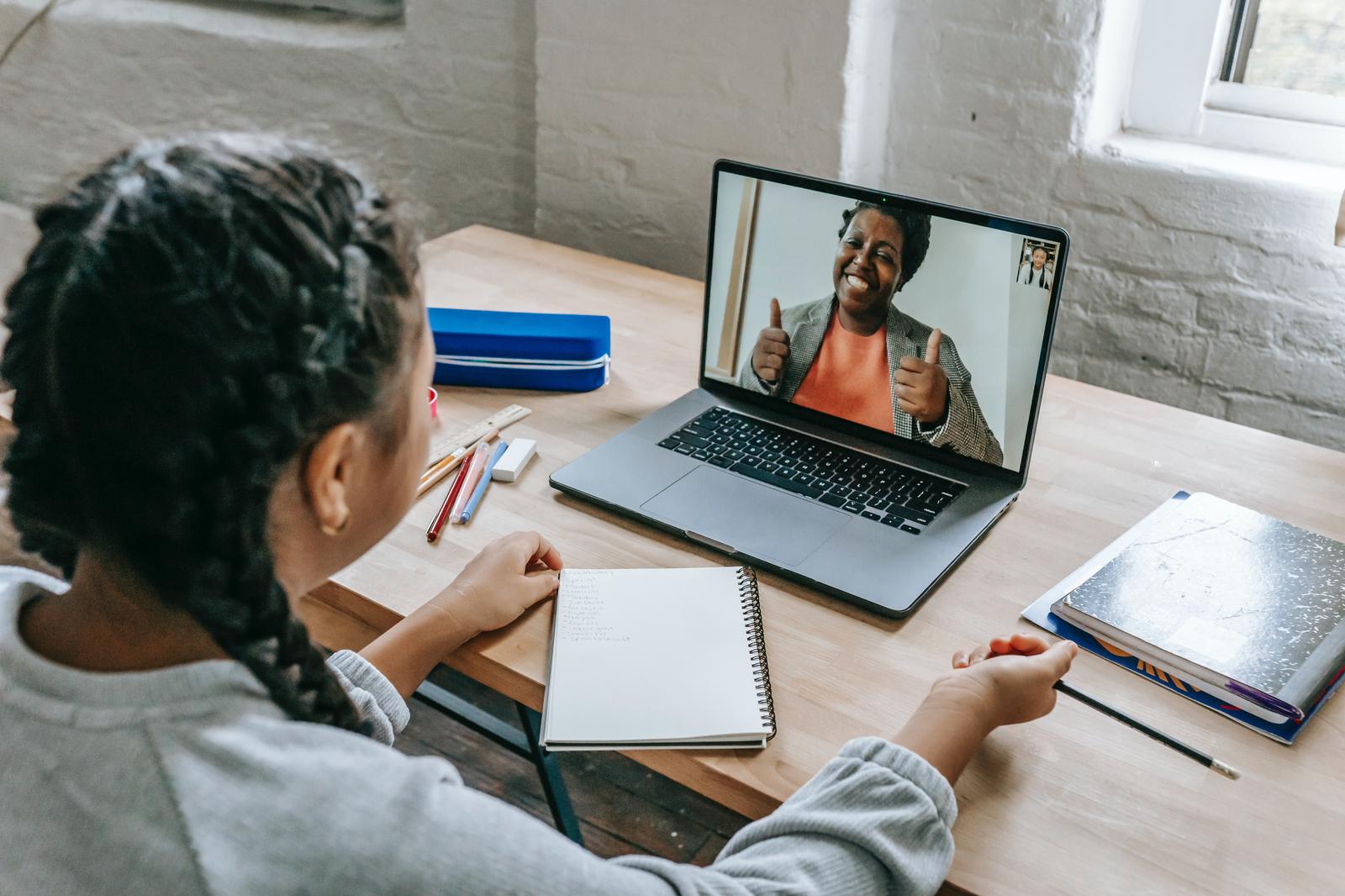
Your "student teaching" now likely includes both physical classroom management and managing a Learning Management System (LMS) like Canvas or Google Classroom. You’ll assist a veteran teacher in balancing in-person instruction with digital assignments for students who may be learning remotely.
Why: To bridge the gap between theory and the high-energy reality of a modern classroom. How: Complete 12–20 weeks of full-time placement in a local school district. Example: Leading a morning "Circle Time" in person while simultaneously managing a digital portal for students at home. Key Takeaway: Hands-on experience is where you learn the "soft skills" that a textbook cannot teach.
3. Master the State Licensing Exams
Most states require the PRAXIS test or a state-specific equivalent. By 2026, these exams have been updated to include sections on data privacy, digital citizenship, and identifying learning gaps caused by previous disrupted schooling.
Why: To verify that you meet the national standards for pedagogical knowledge and content mastery. How: Register through the ETS website and utilize AI-driven prep tools to identify your weak spots. Example: Passing the Praxis II: Elementary Education Content Knowledge exam with a high score in "Digital Literacy." Key Takeaway: Licenses are state-specific; if you move, you may need to apply for "reciprocity."
4. Apply via Modern Portals
The application process is now heavily digitized. Many districts use AI filters to scan resumes for specific certifications. In large hubs like New York City, you must first clear a central Department of Education screening before you can interview with individual principals. Once your application clears those filters, preparing for a teacher interview is the next step to master.
Why: Centralized portals streamline the hiring process for massive school systems. How: Create a profile on platforms like Frontline Education or specific state portals. Example: Uploading a video "teaching demo" to the NYC Department of Education portal. Key Takeaway: Your digital footprint and resume keywords matter as much as your interview performance.
Essential Skills for the 2026 Educator
The "new normal" requires a blend of high-touch empathy and high-tech efficiency. You must be prepared for:
Hybrid Classroom Management: Keeping students engaged whether they are sitting in the front row or joining via a screen. Data-Driven Instruction: Using software to track student progress in real-time and adjusting lessons instantly. Social-Emotional Learning (SEL): Addressing the long-term mental health effects and social developmental delays caused by the Covid era. AI Fluency: Using AI to automate grading and lesson planning so you can spend more time on one-on-one student support.
Modern Challenges: You should also be prepared to handle diverse student populations, including neurodiverse children who may require specific software accommodations, and students with English as an additional language (ESL) who use real-time translation tools.
Where Can You Teach?
The definition of a "school" has expanded significantly. Before you decide, review the salary and job outlook for elementary school teachers and check how teacher pay ranks in each state. Here are the primary environments for 2026:
Public Elementary Schools: These schools offer the most stringent licensing requirements but typically provide higher salaries and benefits compared to the private sector. Private Elementary Schools: These schools often have smaller class sizes and more curriculum flexibility. While they sometimes hire without a state license, a degree is still usually expected. Charter Schools: Funded by the state but run independently, these schools act as a mid-point. They often offer more autonomy in how you use technology in the classroom. Online/Virtual Elementary Schools: 100% remote positions are now a permanent fixture of the education landscape. These schools often target children with specialized needs or those in extremely rural locations. Why: Diverse school types allow teachers to find an environment that matches their personal teaching philosophy. How: Research "School Report Cards" in your state to see which environments are currently thriving. Example: A teacher who loves tech might thrive in a "Cyber Charter," while one who loves the outdoors might prefer a "Forest School" private model. Key Takeaway: Public schools offer the best long-term benefits, but private and online schools offer more flexibility.
The Future of Teaching is You
Stepping into an elementary classroom in 2026 means entering a space where high-tech tools and high-touch empathy coexist. The disruptions of the early 2020s didn't just change where we teach; they changed how we connect. Today’s teachers are more than just instructors; they are the architects of resilient, digitally-literate, and emotionally intelligent communities.
While the software will continue to update and the physical classrooms may shift between hybrid and in-person models, the core of the profession remains the same: that "lightbulb moment" when a child finally grasps a difficult concept. By combining your foundational degree with a mastery of modern EdTech, you aren't just getting a job—you're securing a front-row seat to the future. A national Pew Research survey of what it's like to be a teacher in America today shows just how much those demands have evolved.
Why: To remind aspiring teachers that despite the technological shifts, the human element remains the most vital part of the role. How: By staying adaptable, prioritizing continuous professional development, and utilizing modern resume tools to showcase your unique value. Example: Transitioning from a nervous student teacher to a lead educator who can seamlessly pivot from a physical science experiment to a virtual coding lesson. Key Takeaway: The 2026 teacher is a versatile professional who uses technology to enhance, not replace, the magic of learning.
Finetune Your Resume for the Modern Era
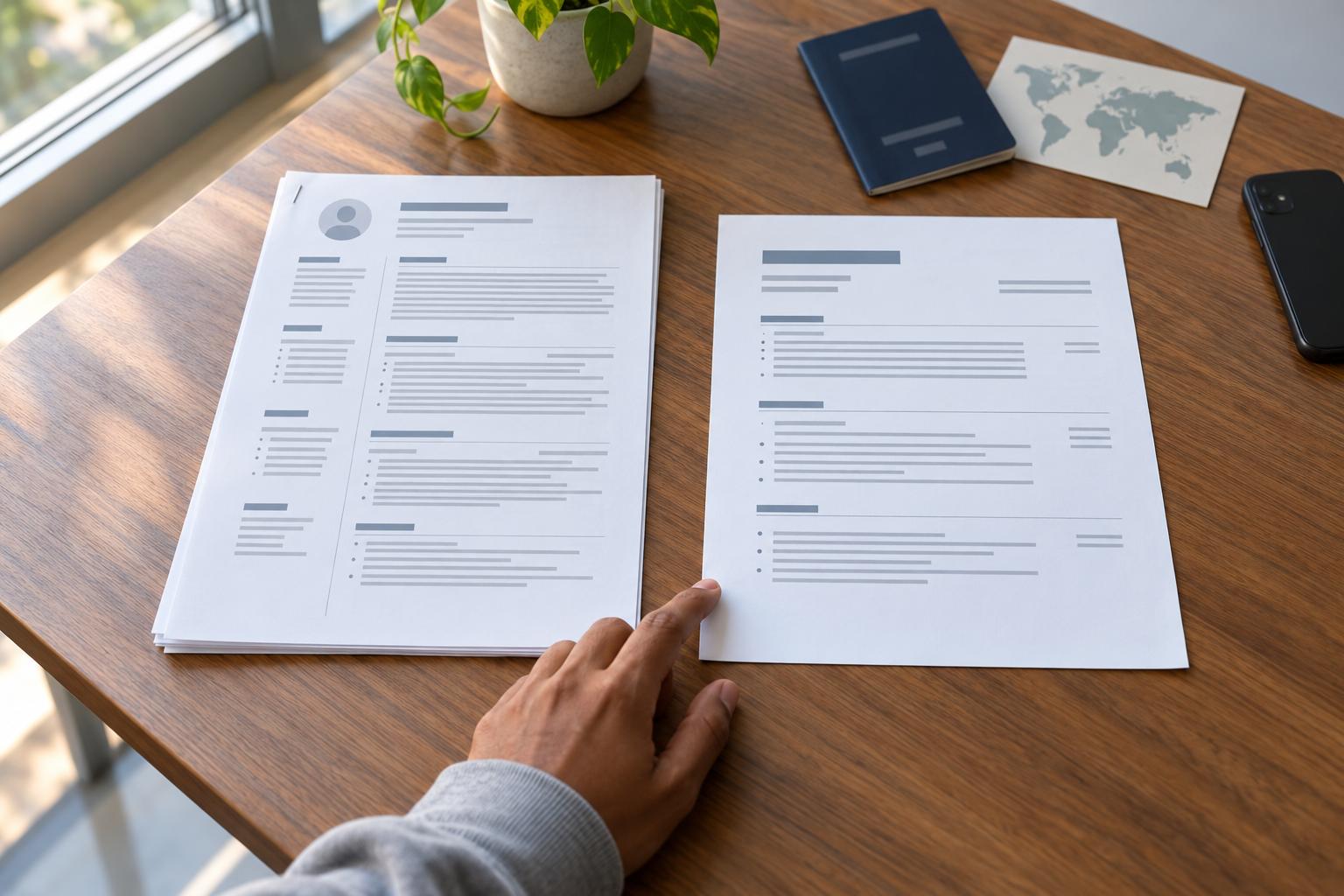
In 2026, a generic resume won't cut it. You need to prove you are "future-proof." Your resume should highlight your ability to use educational software, your strategies for learning loss recovery, and your adaptability.
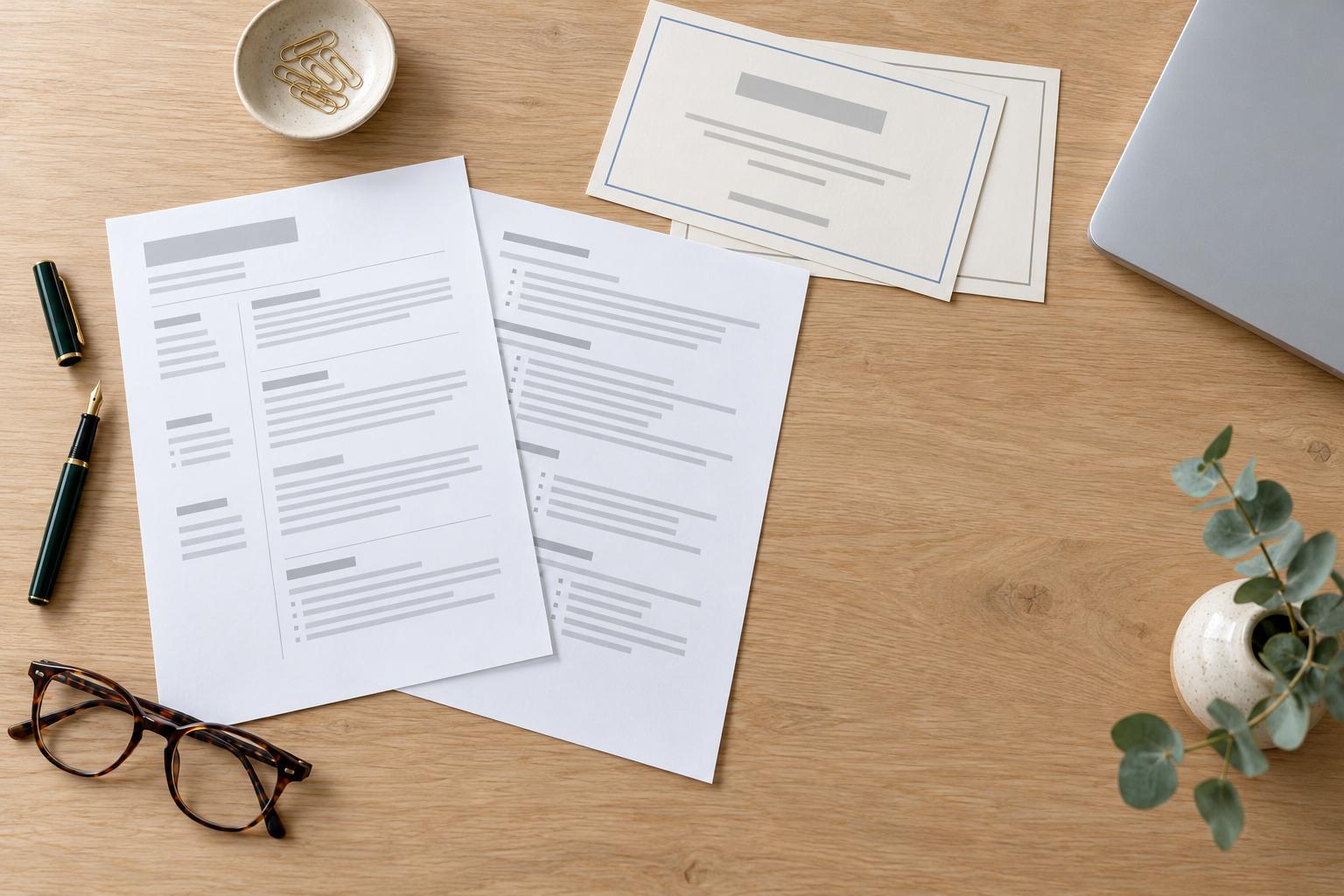
We have a specialized collection of elementary school teacher resume templates designed to highlight modern skills like "Differentiated Instruction" and "VLE Management."
Build your resume now and take the first step toward becoming a 21st-century educator.
Browse our CV templates
Pick a design you like, then fill in your CV one section at a time.