How to Become a Registered Nurse in 2026
The six steps to becoming a registered nurse in 2026, from ADN or BSN degrees and the NCLEX-RN to state licensing and renewals, with median pay near $93,000 and a two-to-four-year timeline.

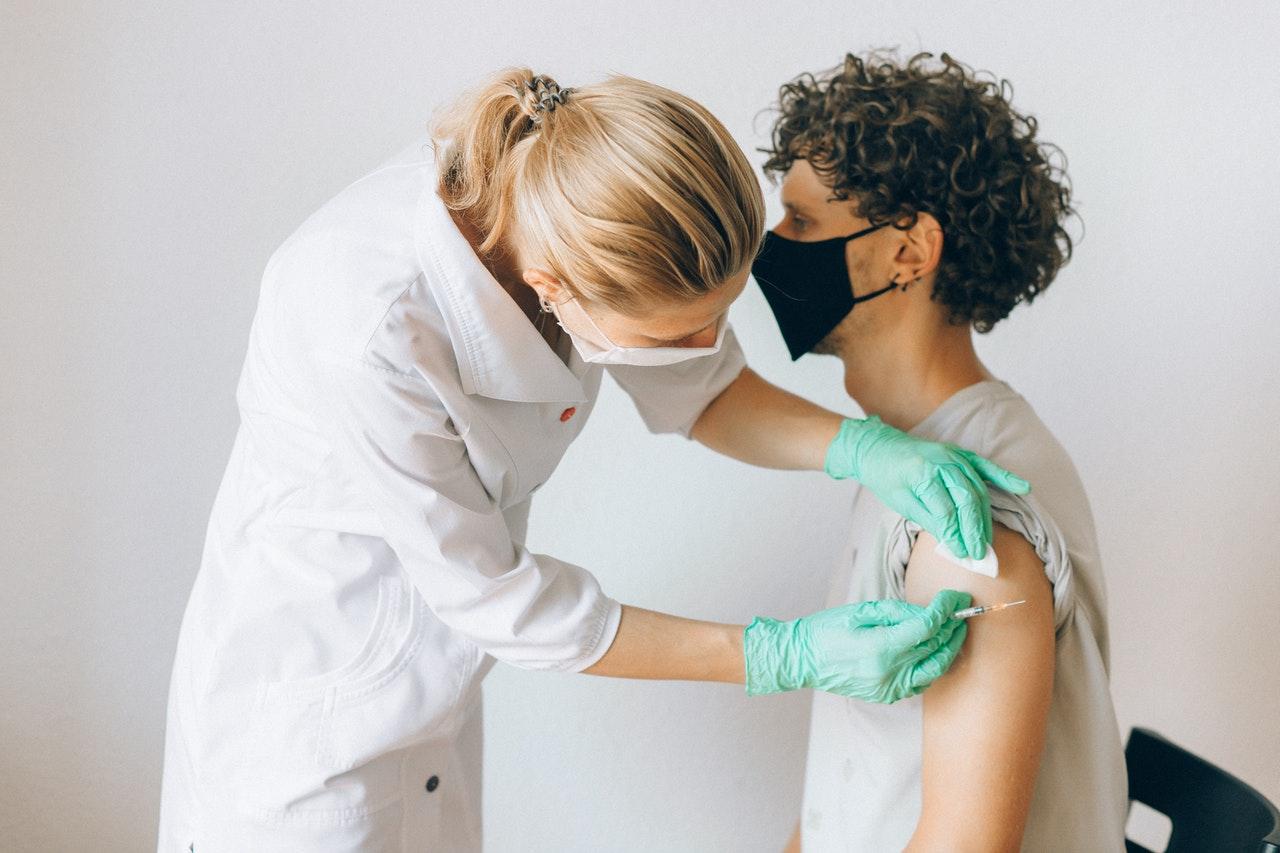
Being a registered nurse in 2026 is a fulfilling and high-tech career where you make a tangible difference in a rapidly evolving healthcare landscape. Whether you are using AI-driven predictive analytics to manage a patient’s glucose levels or leveraging remote monitoring to support cancer patients through home-based chemo, your role provides a blend of vital human empathy and cutting-edge medical support.
The perks of the profession have only grown. With the integration of AI "co-pilots" to handle charting and administrative tasks, many nurses are finally achieving a sustainable work-life balance. Career growth is also accelerating; new roles like "Digital Triage Nurse" and "Remote Patient Monitoring Coordinator" are creating pathways that didn't exist a few years ago.
The journey to becoming an RN remains structured, but the hiring process has been revolutionized. In 2026, AI-powered matching platforms often find you before you even hit "apply." Let’s break down the path to licensure and how to navigate the 2026 digital-first job market.
How to Become a Registered Nurse: Step by Step
In 2026, there are two primary academic routes to becoming an RN. The major difference is the depth of your degree, which dictates your starting speed and long-term leadership potential.
1. Achieve the Prerequisite Qualifications for College
Before entering a nursing program, you must clear prerequisite hurdles. While traditional subjects like Anatomy and Physics remain mandatory, many 2026 programs now also look for "digital literacy" or introductory statistics to ensure you can handle modern health informatics.
- Why: Schools must ensure you have the scientific foundation to handle complex clinical reasoning.
- How: Maintain a high GPA and complete core sciences at a community college or through accredited online portals.
- Example: A student completes Chemistry and Statistics with a 3.5 GPA to qualify for a top-tier BSN program.
Key Takeaway: Solid prerequisites are the gatekeepers to nursing school; focusing on science and data literacy will give you a competitive edge.
2. Study an ADN or BSN
You need either an Associate’s Degree in Nursing (ADN) or a Bachelor’s of Science in Nursing (BSN). The ADN is a two-year "fast track" focused on clinical skills, while the BSN is a four-year degree that incorporates leadership and research. In 2026, many hospitals use AI screening to prioritize BSN holders for specialized units and management roles.
- Why: Degrees ensure you meet the national standards for patient safety and clinical judgment.
- How: Enroll in an accredited nursing program and complete both classroom learning and clinical rotations.
- Example: Choosing an ADN to enter the workforce quickly, then using an employer-sponsored "ADN-to-BSN" bridge program later.
Key Takeaway: While both degrees lead to licensure, the BSN is increasingly the "gold standard" for AI-driven recruitment filters and higher-paying roles.
3. Pass the NCLEX-RN
The National Council Licensure Examination (NCLEX) is the final hurdle. As of April 2026, the exam has been refined to include a stronger focus on health equity, unbiased care, and clinical judgment. It remains a computerized adaptive test, meaning the difficulty adjusts based on your performance. Once your nursing program confirms your eligibility, you can register for the NCLEX-RN through the official exam portal.
- Why: It proves you have the minimal competence to practice nursing safely without supervision.
- How: Register with Pearson VUE, pay the state-specific fees, and use NGN-style (Next Generation NCLEX) practice cases.
- Example: Using an AI-powered test prep platform that simulates the 2026 NCLEX environment to identify your weak spots in "Pharmacological Therapies."
Key Takeaway: The NCLEX-RN is generally high in pass rates, but the 2026 version requires a deep understanding of clinical judgment and inclusive care.
4. Apply for Your State License
Once you pass the NCLEX, you must apply for a license in the state where you intend to work. In 2026, many states have streamlined this process with digital verification systems, but the paperwork still requires precision.
- Why: Licensing is a legal requirement to ensure every practicing nurse is vetted and qualified.
- How: Submit your fingerprints, background check, and NCLEX results to your state Board of Nursing.
- Example: Applying for a California license but later using "licensure by endorsement" to move to Texas.
Key Takeaway: Licensing is state-specific; always apply in the state where you plan to be physically (or virtually) practicing.
5. Begin Work as a Registered Nurse
The 2026 job search is driven by AI. Recruiters now use "Intelligent Hiring Platforms" that scan resumes in seconds for specific keywords and certifications. You aren't just competing with other nurses; you are competing for the attention of an algorithm.
- Why: Hospitals use AI to solve staffing shortages quickly by matching the right nurse to the right acuity level.
- How: Polish your resume using ATS-friendly templates and prepare for AI-assisted interviews.
- Example: A nurse uses a specialized template to ensure their "ICU Certification" is readable by a hospital's screening AI.
Key Takeaway: To get hired in 2026, your resume must be optimized for both human eyes and machine algorithms.
6. Renew Your License as Required
Nursing is a lifelong learning journey. Most states require renewal every two years, which involves completing Continuing Education Units (CEUs). In 2026, many CEUs focus on "AI Ethics in Healthcare" and "Digital Patient Privacy."
- Why: Regular renewal ensures nurses stay current with evolving medical technologies and safety protocols.
- How: Track your hours and renewal requirements through digital portals provided by your Board of Nursing.
- Example: Completing a 15-hour online module on "Telehealth Best Practices" to satisfy state CEU requirements.
Key Takeaway: Never let your license expire; use automated reminders to stay ahead of your state’s specific deadlines.
How Long Does It Take to Become a Registered Nurse?
In 2026, the timeline is still roughly two to four years. An ADN remains the fastest route (2 years), while a BSN is the comprehensive route (4 years). However, the "post-grad" phase is faster now; digital NCLEX results are often processed within days rather than weeks, and AI-powered onboarding can get you onto the floor and into orientation 30% faster than in previous years.
How Much Does a Registered Nurse Make?
By 2026, salaries have risen to meet the demand of an aging population. While the median pay for registered nurses was $75,330 in 2020, 2026 estimates show median earnings approaching $93,000 per year, with top earners in states like California exceeding $133,000.
Nurses in specialized roles, such as Informatics or Travel Nursing, often command even higher premiums. If you plan to work across state lines, the Nurse Licensure Compact (NLC) is more vital than ever, allowing you to practice in over 40 states with a single license. For a closer look at entry-level pay, see our breakdown of the starting salary for a nurse in 2026.
Conclusion
Becoming a registered nurse in 2026 means stepping into a role where you are the vital link between advanced technology and human healing. From navigating AI-driven recruitment to mastering the updated NCLEX-RN, the path is more digital than ever, but the core mission remains the same: providing world-class care. By staying informed on 2026 salary trends and optimizing your digital footprint, you can secure a lucrative and meaningful career.
Apply for Registered Nurse roles with a professional resume. A professional resume will help you impress recruiters, get more interviews and negotiate a higher salary. Here at Rocket Resume, we’ve got over a dozen registered nurse resume templates that can help you build your resume in minutes.
All our templates are ATS-readable and easy to customize, so you can highlight your best features while adapting your resume for the health center in question.
Start building your registered nurse resume.
Build your resume with our free resume builder
Pick a template, then build a resume one section at a time.