How to Become a Firefighter in 2026: Skills and Qualifications
The requirements to become a firefighter in 2026, including EMT and Firefighter I and II certifications, digital background checks, and salaries from $55,000 entry-level to $125,000.

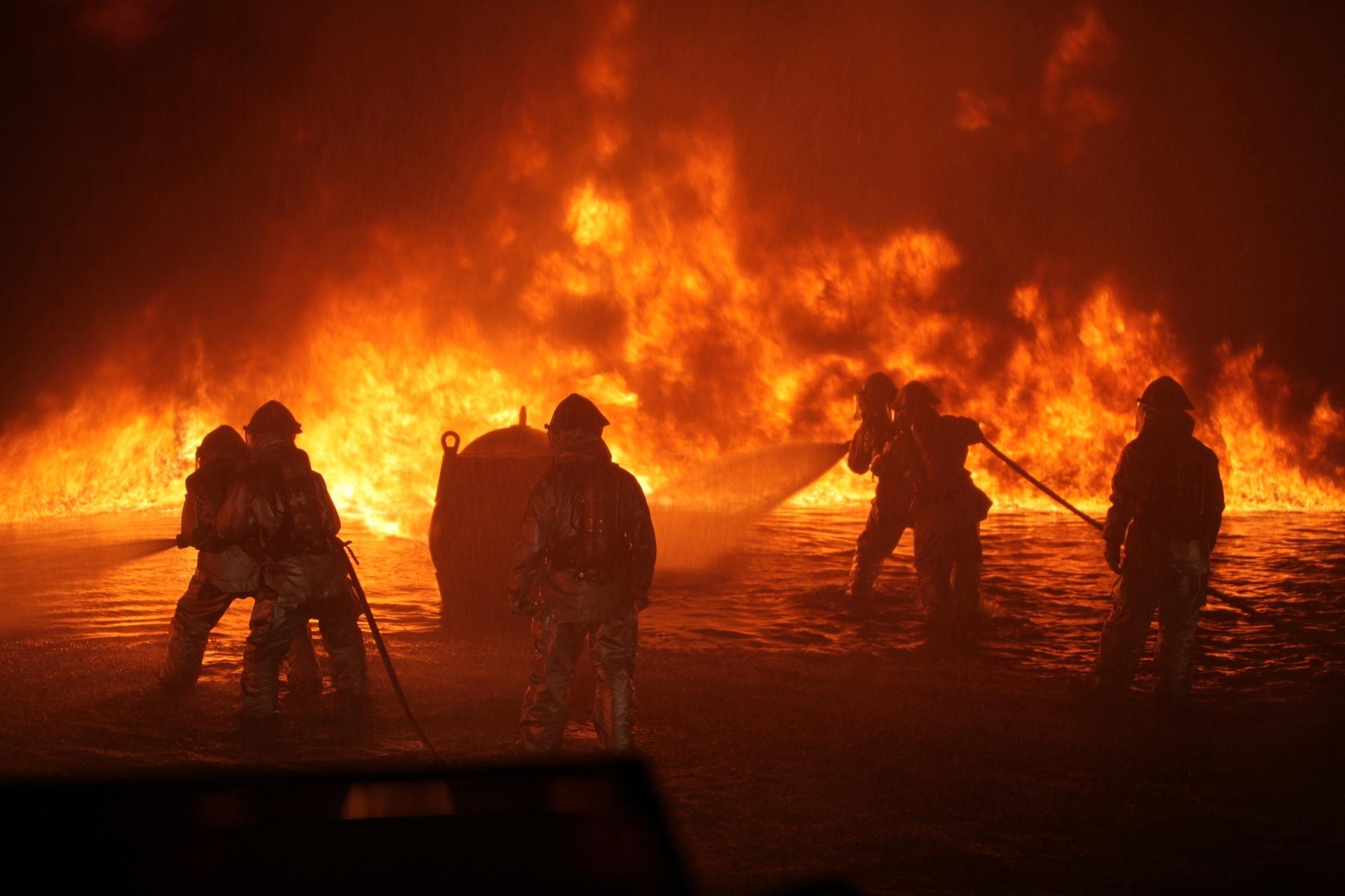
The Future of Bravery: How to Become a Firefighter in 2026
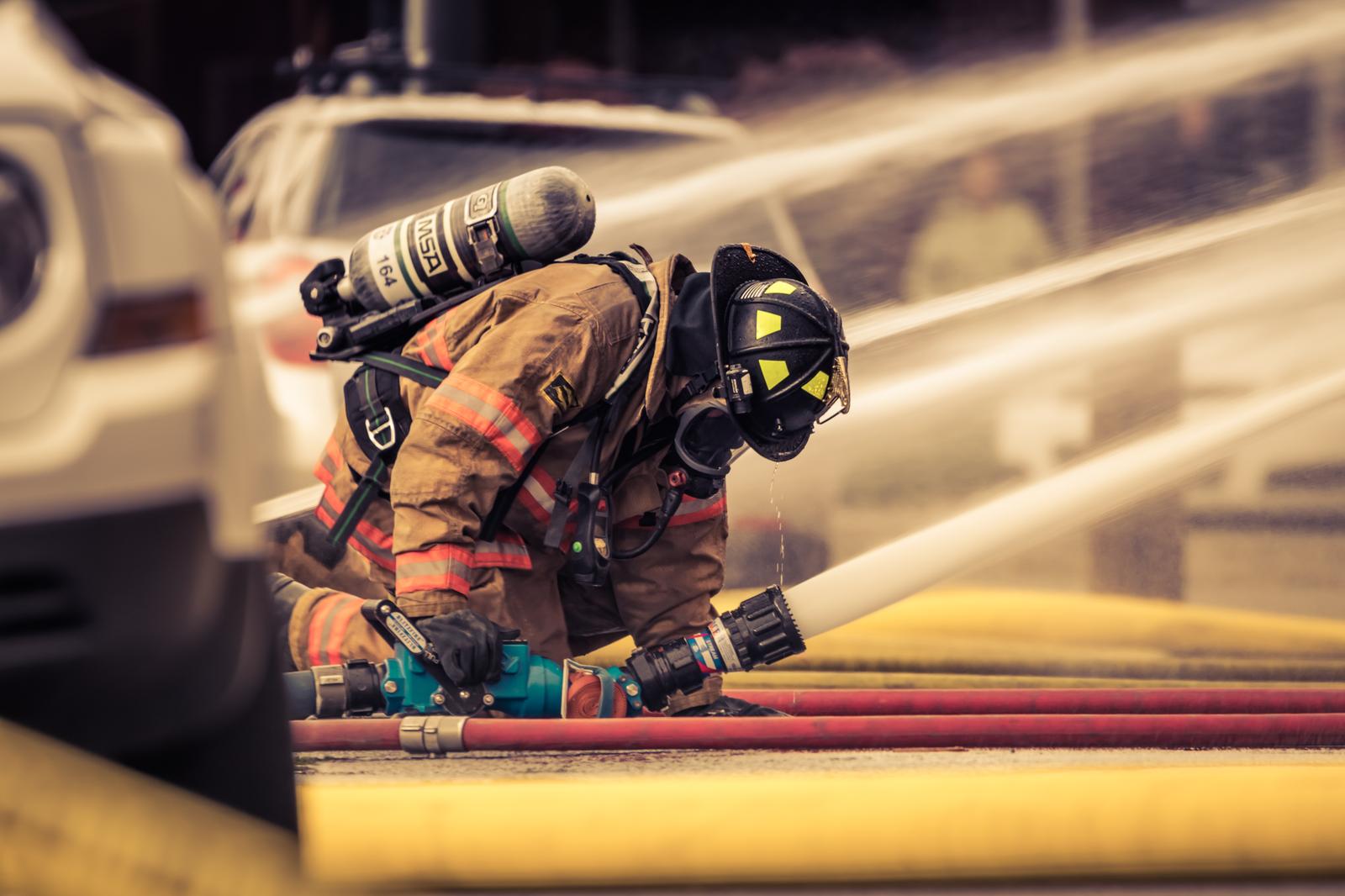
Firefighting has evolved into a high-tech, multi-disciplinary profession that remains one of the most rewarding career paths in the world. As we navigate 2026, the image of a firefighter has shifted from a traditional "first responder" to a "community risk technician." Today, anyone with the right dedication—regardless of their initial background—can join the ranks. Whether you are a tech enthusiast, a community advocate, or an athlete, the modern fire service has a place for you. With the integration of AI-driven diagnostics and remote robotic suppression, the barrier to entry has changed, focusing more on cognitive adaptability and technical literacy alongside physical grit.
But not everyone can become a firefighter, as there are federal, state, and increasingly digital-literacy requirements you need to meet before you start working.
Read on to discover how to navigate the 2026 landscape of public safety. We will cover the specific steps to becoming a successful firefighter today and what to expect in an era of climate-driven emergency management.
Beyond the Flame: Multi-Dimensional Duties in 2026
In 2026, putting out fires is often the least frequent task a firefighter performs. As "smart cities" have become more prevalent, fire prevention systems have reduced the number of structure fires, shifting the firefighter’s role toward complex crisis management. Firefighters now act as the primary interface between advanced medical technology and the public. They are the first on the scene for drone-assisted search and rescues and the primary coordinators during extreme weather events caused by shifting global climates.
- Advanced Tele-Health: Providing emergency medical services assisted by real-time AR (Augmented Reality) links to surgeons.
- Drone Piloting: Performing rescue operations using unmanned aerial vehicles to locate victims in wildfires or floods.
- Biochemical Safety: Safe handling of hazardous materials, including modern battery-storage fires (EVs and home power walls).
- Virtual Public Education: Using VR simulations to teach fire safety in schools and meta-workplaces.
- Cyber-Physical Inspections: Maintaining and inspecting buildings for fire code compliance, including smart-sensor audits.
- Climate Adaptation Projects: Offering disaster response during increasingly frequent hurricanes, "firenadoes," and urban flooding.
Why: The integration of technology has made the environment safer but the systems more complex; we need human intuition to manage the tech.
How: Enroll in local "Community Emergency Response Team" (CERT) programs that now include drone and sensor training.
Example: A 2026 firefighter might spend their morning recalibrating a district’s thermal sensors and their afternoon using a robotic "mule" to carry a hiker out of a ravine.
Key Takeaway: Modern firefighting is a "Swiss Army Knife" profession where technical problem-solving is just as vital as physical bravery.
The 2026 Skill Set: High-Tech and Human-Centric
To be a firefighter today, you must bridge the gap between physical power and digital fluency. The "brawn-only" era is over. In 2026, departments look for "Tactical Athletes"—individuals who maintain peak physical condition but also possess the mental bandwidth to operate heads-up displays (HUDs) and analyze biometric data in high-stress environments. In practice, that means balancing hard skills and soft skills rather than leaning on either alone.
- Integrated Physical Fitness: Conditioning that focuses on functional mobility to handle heavy gear and exoskeleton assistance.
- Cognitive Agility: Thinking quickly to solve problems, such as overriding a locked smart-building system during a rescue.
- Interpersonal Communication: Communicating across diverse demographics and using translation AI to assist non-English speakers.
- Systems Leadership: Taking charge of a scene that includes humans, robots, and autonomous vehicles.
- Data Literacy: Using AI-enhanced breathing apparatuses that track oxygen levels and exit routes in real-time.
- Precision Paramedicine: Mastery of automated medical equipment that can perform complex diagnostics on the spot.
- Mental Resilience: Managing the psychological toll of disaster response through mandatory "neural-wellness" and peer-support protocols.
Why: Complexity in the field requires a mind that can process multiple data streams simultaneously without panicking.
How: Practice "gamified" physical training and take courses in basic data science or psychological first aid.
Example: Using a thermal imaging visor to "see" through thick smoke while simultaneously receiving a data feed of the building's floor plan.
Key Takeaway: Success in 2026 requires a balance of high-level technical aptitude and traditional grit.
Federal and Digital Prerequisites
While the world has changed, the foundation of public trust remains. You must meet federal standards that ensure you are capable of handling the legal and ethical responsibilities of the badge. In 2026, these now often include "Digital Citizenship" checks.
- Age and Education: Must be at least 18 years old and possess a high school diploma or GED.
- Citizenship: Must be a U.S. citizen or a legal permanent resident.
- The "Clean Record" 2.0: Passing a background check that includes a review of your digital footprint and social media history.
- Comprehensive Health Screening: Passing a medical and physical examination, including lung capacity and cardiac stress tests.
- EMS Certification: National Registry of Emergency Medical Technicians (NREMT) is now a near-universal baseline.
- Drug-Free Status: Passing a drug test (federal standards remain strict despite state-level changes).
Fire departments often have additional demands regarding local residency or specific technological certifications, so always verify with your target municipality.
Why: Federal standards ensure a baseline of reliability and physical capability for a role that carries life-or-death authority.
How: Keep your social media professional and start your EMT-Basic training as early as possible.
Example: A candidate might be disqualified not just for a physical failure, but for a history of online behavior that contradicts the department’s ethics.
Key Takeaway: Your "digital identity" is now just as important as your physical health when applying for federal-compliant roles.
Compensation: What Does a Firefighter Earn in 2026?
Salaries have risen significantly by 2026 to account for the specialized technical knowledge required and the cost of living adjustments. Firefighting remains a stable, middle-to-upper-middle-class career with excellent benefits and "hazard-tech" pay premiums.
The average base salary for firefighters in the United States is now around $68,000 annually. Entry-level positions in tech-heavy urban centers may start around $55,000. For current benchmarks, the Bureau of Labor Statistics publishes official firefighter wage data covering median pay and job outlook. However, a specialist (such as a Wildland-Urban Interface Expert) or a veteran with a decade of experience can easily earn between $95,000 and $125,000 yearly, excluding overtime.
Why: The shift toward "All-Hazards" response has increased the value of the labor, leading to better union-negotiated contracts.
How: Increase your earning potential by specializing in high-demand areas like "Hazmat-Tech" or "Fire Engineering."
Example: A firefighter in a mid-sized city earns a $70,000 base but adds $15,000 in specialized "Rescue Diver" and "Paramedic" stipends.
Key Takeaway: While you don't do it for the money, the 2026 fire service offers a competitive, livable wage with high growth potential.
Essential Certifications for the Modern Era
In 2026, a "generalist" is rare. To be hired, you need a portfolio of certifications that prove you can handle the specific threats of the current decade, from lithium-ion battery fires to cyber-physical system failures. For most departments, the baseline is a nationally registered EMT credential, and candidates pursuing the firefighter-paramedic track should also prepare for paramedic interview questions alongside their coursework.
- Firefighter I & II (IFSAC/Pro Board): The mandatory baseline covering fire behavior and suppression.
- Advanced EMS/Paramedic: With hospitals often overcrowded, the "ER on wheels" model makes Paramedic-level certification highly sought after.
- Green-Energy Hazmat: Specialized training for handling EV fires, solar array malfunctions, and industrial hydrogen leaks.
- AI-Integration Certification: A new 2026 standard for operating automated suppression systems and AI-dispatch interfaces.
- Technical Rescue (Swift Water & Urban): Necessary for the increasing frequency of "once-in-a-century" floods and structural collapses.
Why: Departments no longer have the time to train you from scratch on specialized hazards; they need "plug-and-play" professionals.
How: Attend a community college fire science program that offers "stacked" credentials.
Example: Holding a "Technical Rescue" cert might make you the lead candidate for a department located near a flood-prone river valley.
Key Takeaway: Specialization is the fastest way to get hired and promoted in the 2026 job market.
The Background Check: Integrity in the Information Age
The background check is more rigorous than ever. In 2026, it isn't just about what you did, but who you are. Departments use AI-vetting tools to ensure that candidates possess the empathy, stability, and integrity required for the job.
Why: Firefighters are granted access to people’s homes and their most vulnerable moments; trust is the department’s only currency.
How: Maintain a clean financial record and avoid any legal "gray areas," as 2026 background checks look at patterns of behavior, not just isolated incidents.
Example: An investigator might look at your credit history as a proxy for how responsibly you will treat expensive departmental equipment.
Key Takeaway: Your reputation—both offline and online—is your most valuable asset in the hiring process.
The Fire Academy: A 2026 Immersive Experience
The modern Fire Academy is a mix of a boot camp and a tech institute. In 2026, trainees spend as much time in VR "burn-rooms" as they do in actual smoke-filled towers. These academies focus on "Stress Inoculation," using biometric sensors to monitor a recruit’s heart rate and cortisol levels to ensure they can remain calm under pressure.
Training typically lasts 18 to 24 weeks. Advanced Academies are now modular, allowing working firefighters to return for "micro-degrees" in new technologies as they emerge. Recruits can supplement academy prep with U.S. Fire Administration resources on training standards and firefighter safety.
Why: Simulation-based training allows recruits to experience "impossible" scenarios—like a skyscraper collapse—without actual risk to life during the learning phase.
How: Prepare by focusing on high-intensity interval training (HIIT) and basic mechanical engineering principles.
Example: A recruit spends the morning dragging 200lb dummies and the afternoon in a haptic suit practicing how to shut down a leaking gas main in a virtual city.
Key Takeaway: The Fire Academy is where "anyone" becomes a "firefighter" through a grueling but scientific transformation process.
Career Trajectories: Beyond the Tailboard
The "career ladder" in 2026 is more of a "career web." You can rise through traditional ranks (Lieutenant, Captain, Chief) or pivot into specialized technical and administrative fields that didn't exist a decade ago. Some firefighters even transition into the adjacent law enforcement career path, where public-safety experience carries over directly.
- Command Ranks: Moving into leadership, focusing on logistics and inter-agency coordination.
- Fire Marshal/Inspector: Using predictive AI to identify "fire-prone" zones before an incident occurs.
- Emergency Management Director: Designing city-wide responses to climate disasters.
- Drone Fleet Commander: Managing the aerial response for large-scale incidents.
- Health and Safety Officer: Focusing on the long-term wellness and "neuro-health" of the crew.
Why: As the fire service becomes more integrated with urban planning and tech, new leadership roles are required to manage these systems.
How: Pursue a Bachelor’s or Master’s degree in Emergency Management or Public Administration.
Example: A firefighter with a knack for coding might eventually become the "Chief of Technology," overseeing the department's entire digital infrastructure.
Key Takeaway: Firefighting is no longer just a job; it is a gateway to a massive ecosystem of public safety leadership.
Conclusion: The Fire Service in 2026
As we look at the landscape of 2026, firefighting remains the ultimate "human-centric" profession. While drones, AI, and robots have changed how the job is done, the core mission remains unchanged: protecting life and property. Today, anyone—regardless of their starting point—can become a firefighter if they are willing to marry physical discipline with a commitment to lifelong learning. The barrier to entry isn't just strength; it is the willingness to adapt to a rapidly changing world. If you seek a career that offers a front-row seat to the future, a competitive salary, and the chance to be a hero in your community, the 2026 fire service is waiting for you.
Formatting A Strong Firefighter Resume
Now that you know how to become a firefighter, the next step is to prepare your resume to apply for a job and start your career.
But not just any CV works – you need one that passes the Applicant Tracking System some companies use for sourcing employees. Since some resumes do not clear these systems due to formatting issues, hiring managers may forgo yours for one that meets the correct specifications.
Rocket Resume’s intuitive resume builder lets you generate a professional,well-formatted resume in minutes. After you log in or create an account, you can choose the format you like and get started.
Once you start your account, fill in the prompts on your screen and leave the rest to the platform. You can have aprofessional firefighter resume in just a few minutes without the hassle and effort of starting one from scratch.
Browse our resume examples
See what each section can say, then write your own resume one section at a time.