How to Become a Cosmetologist in 2026: Licensing, Exams and More
Cosmetology licensing requirements in 2026, including 1,000 to 2,300 training hours, state exams, and 12 to 24 months of school, plus the $49,180 average salary and influencer earning paths.

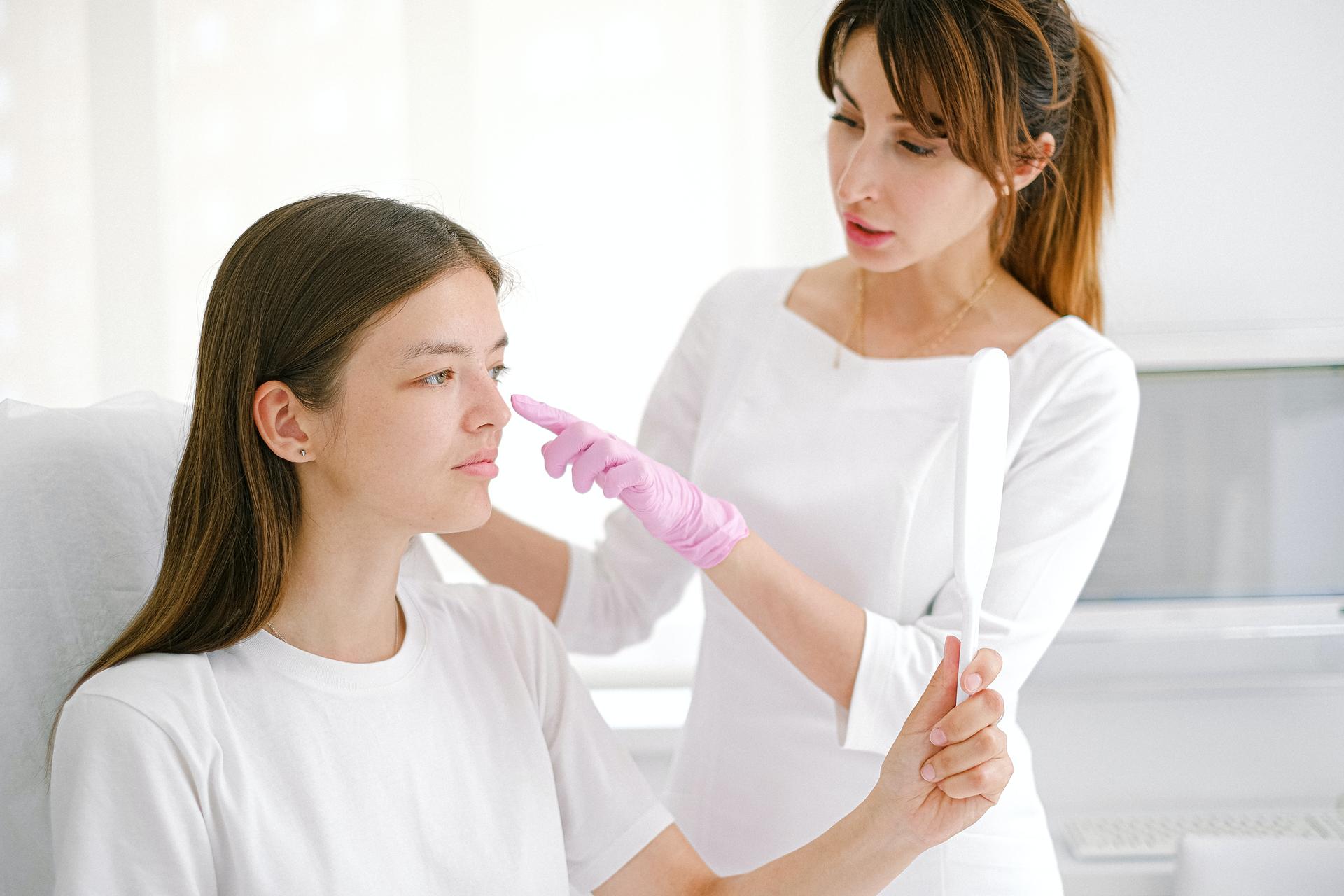
Interest in cosmetology is on the rise in the United States and globally due to social media platforms. People want to look their best in pictures, videos, and daily life, and cosmetologists help make these desires a reality.
The digital landscape of 2026 has transformed the beauty industry into a high-tech frontier. Today, being a cosmetologist isn't just about mastering the shears; it’s about mastering the algorithm. Artificial Intelligence (AI) has decentralized beauty expertise, allowing licensed professionals to become global influencers by using AI-driven skin diagnostics and virtual "try-on" mirrors to engage audiences.
If you are interested in this field and want to know more about how to become a cosmetologist in the age of AI, read on. We’ll cover the basics of the position, the licenses you need, and the massive earning potential this role offers in 2026.
What Is a Cosmetologist?
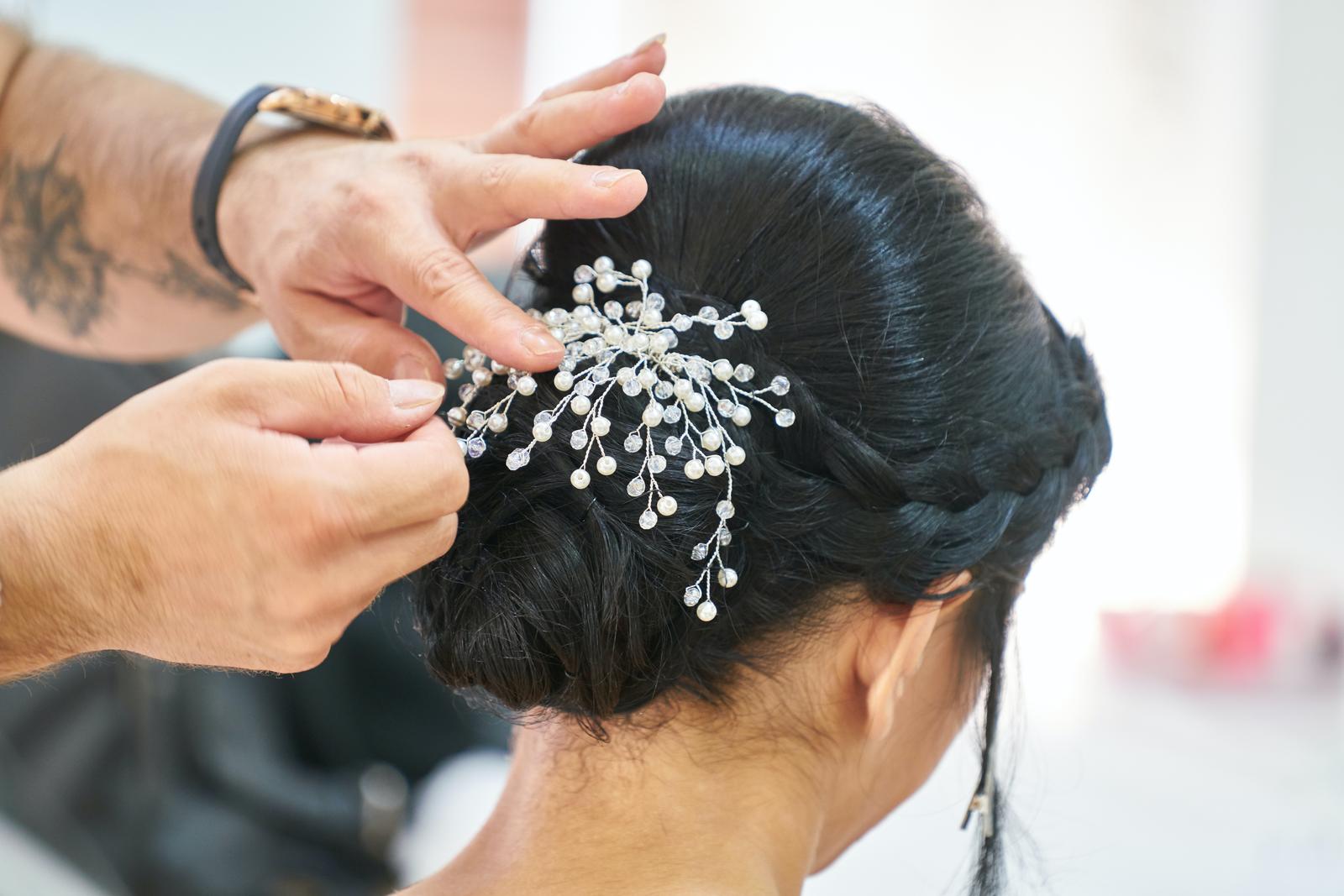
In 2026, a cosmetologist is a hybrid professional—part artist, part data analyst. While the core mission remains beautifying hair, nails, and skin, the methods a beauty expert relies on have evolved. Modern cosmetologists use AI scanners to measure a client's scalp health or skin pigment at a microscopic level before ever picking up a brush. As influencers, they use these tools to provide hyper-personalized "digital skin maps" to their followers, bridging the gap between a physical salon and a virtual platform. If that scope sounds broader than you expected, the guide to becoming a beautician in five steps explains how the overlapping beautician path differs. Common roles include:
- AI-assisted hair texturing, coloring, and light-tinting analysis.
- Hyper-personalized facial treatments based on biometric data.
- Precision hair extensions, weaves, and 3D-printed nail art.
- Advanced wrinkle reduction using non-invasive energy-based devices.
- Virtual consultations using AR (Augmented Reality) to "test" looks on followers.
Why: AI removes the guesswork, ensuring that treatments are scientifically backed and safe for every unique skin and hair type.
How: Professionals use handheld diagnostic tools and AI-driven software to analyze client needs and recommend lab-grown, sustainable products.
Example: An influencer-cosmetologist uses a "Smart Mirror" during a livestream to show 50,000 viewers how a specific chemical peel would interact with different skin textures in real-time.
Key Takeaway: A 2026 cosmetologist is a tech-savvy beauty expert who uses AI and biometrics to provide personalized, data-driven aesthetic transformations both in-person and online.
How Long Does it Take To Become a Cosmetologist?
The journey to becoming a cosmetologist in 2026 is faster but more intensive. While traditional schools still take one to two years, many now offer "AI-Integrated" fast-track programs. These curricula combine manual dexterity training with "Beauty Tech" certifications. Depending on your state and whether you pursue a specialized "Virtual Consultation" certificate, your education may involve a blend of physical salon hours and VR-simulated practice sessions. Some students narrow their focus to skincare instead and pursue the esthetician career path, which has its own licensing track.
Why: The rise of specialized beauty tech requires more than just basic training; it requires fluency in the digital tools that define the 2026 market.
How: Enrolling in programs that offer "Digital Esthetics" or "Advanced Device Certification" alongside traditional hair and nail modules.
Example: A student completes 1,500 hours, where 300 hours are spent mastering AI diagnostic software and light-therapy devices.
Key Takeaway: Training takes 12–24 months but now requires a dual mastery of manual beauty techniques and the AI platforms that drive the modern influencer economy.
What Are The Requirements of This Role?
The baseline requirements have stayed consistent, but the "plus" factor in 2026 is digital literacy. Beyond the legal mandates, successful cosmetologists must now understand data privacy laws (concerning biometric skin scans) and social media algorithm optimization. The Department of Labor's occupational profile catalogs the skills and tasks hairdressers and cosmetologists perform, from client consultation to chemical services. Standard requirements include:
- Minimum age of 16.
- High school diploma or GED.
- Graduation from a state-licensed cosmetology or "Beauty-Tech" school.
- Completion of 1,000 to 2,300 hours of supervised training (often including digital hours).
- Passing the state licensing exam, which now includes sections on chemical safety and device usage.
Why: Licensing ensures public safety, especially as cosmetologists increasingly use advanced energy-based devices and collect sensitive biometric data.
How: Aspiring pros should look for schools that partner with major tech brands like L'Oréal or Perfect Corp to get hands-on experience with 2026-era tools.
Example: A candidate in California must pass a practical exam demonstrating both a traditional haircut and the correct calibration of a skin-analysis scanner.
Key Takeaway: You must meet state age and education minimums, but your "license to thrive" in 2026 depends on your ability to integrate technology into traditional service standards.
How Much Can Cosmetologists Make Annually?
The earning ceiling has shattered. According to 2026 data, the average cosmetology salary in the United States is $49,180, but "Influencer-Cosmetologists" are moving into a whole new bracket. Top beauty influencers who maintain their professional license are commanding up to $34,320 per sponsored post if they utilize AI-driven personalization. While the lower end remains around $10,000 for apprentices, those who leverage "Social Commerce" and AI-driven product recommendations can reach six or seven figures.
Why: AI-powered personalization drives 15–18% higher conversion rates, making licensed experts more valuable to brands than ever before.
How: Combining behind-the-chair services with a digital storefront where AI recommends products based on a follower's uploaded selfie.
Example: A macro-influencer with 500k followers earns $5,000 per TikTok post while simultaneously generating $100,000 a year from an AI-based subscription "Skin Coach" app.
Key Takeaway: While base salaries are stable, the integration of AI marketing and social media influence allows licensed professionals to scale their income into the hundreds of thousands.
What Are The Benefits of Becoming a Cosmetologist?
The greatest benefit in 2026 is career autonomy. As an influencer-cosmetologist, you are no longer tethered to a single salon. You have the power to build a global brand from your smartphone. Additionally, you gain the skills to work with sustainable, biotech-driven products that are better for both the client and the planet. You aren't just a stylist; you are a trusted advisor in a world where 71% of consumers demand personalized interactions.
Why: Being a licensed professional gives you "Expert Authority," which is highly rewarded by social media algorithms and brand partners.
How: Using your professional credentials to validate the efficacy of new AI beauty tools and biotech ingredients.
Example: A cosmetologist builds a loyal community by using AI to track and share the "Skin Journey" of their clients, providing visible, data-backed proof of their skill.
Key Takeaway: Cosmetology offers the perfect blend of high-touch human connection and high-tech digital growth, providing a "future-proof" career path.
What Are The Drawbacks of Cosmetology?
The physical demands remain—long hours on your feet are still part of the job. However, 2026 brings new challenges: "Digital Fatigue" and "Data Liability." Managing a social media presence alongside a physical book of clients can lead to burnout. Furthermore, the use of advanced chemicals and energy-based devices requires constant re-certification to avoid accidents and legal issues.
Why: The fast pace of AI evolution means that if you don't stay updated, your skills (and your algorithm ranking) can become obsolete within months.
How: Managing the risk of physical strain and digital burnout through strict scheduling and ergonomic salon equipment.
Example: A stylist suffers from "tech-neck" and eye strain after spending 10 hours a day alternating between cutting hair and editing AI-generated content for their channel.
Key Takeaway: Physical labor and the constant pressure to stay "algorithm-relevant" are the primary trade-offs for the high earning potential of this modern career.
Do Cosmetologists Need a College Degree?
In 2026, a college degree is still not a requirement for licensure, but it has become a significant competitive advantage for those aiming for "Mega-Influencer" status. Many successful cosmetologists now pursue associate degrees in Digital Marketing or Business Analytics to better manage their AI-driven empires.
Why: Running a social media brand in 2026 is a complex business that involves analyzing big data and managing multiple revenue streams.
How: Attending a community college for business courses while simultaneously completing cosmetology school.
Example: A stylist with a degree in Business manages their own salon, a line of AI-customized shampoos, and a team of content editors, significantly out-earning peers without business training.
Key Takeaway: While you only need a high school diploma for a license, a degree in business or marketing is the key to scaling your influence in the AI era.
Are There Licensing and Exam Requirements for This Role?
Every state requires a license, and the Beauty School Directory notes that most states still use the National-Interstate Council (NIC) exams. You can find your state cosmetology board's requirements through the Department of Labor's license finder. However, by 2026, many states have updated these exams to include "Digital Consultation Standards" and "Advanced Device Safety." Mastery of the physical craft is still the barrier to entry, but the exam material is more scientific than ever.
Why: Standardized testing ensures that even as beauty becomes more high-tech, the fundamental safety of haircare, skincare, and nail services is maintained.
How: Studying for the NIC exams while also pursuing "Master Class" certifications in emerging technologies like AI skin mapping.
Example: A professional in Florida takes a two-part exam: one written test on scientific concepts and one practical demonstration of hair-cutting and chemical safety.
Key Takeaway: You must pass rigorous state exams that now balance traditional hand-skills with the scientific and technical knowledge required for 2026’s advanced beauty tools.
Conclusion: The State of Cosmetology in 2026
By 2026, the line between a cosmetologist and a tech influencer has blurred. AI has not replaced the stylist; it has empowered them to become a data-backed authority. Whether you are performing a physical haircut in a local salon or providing a virtual skin analysis to thousands of followers on TikTok, your professional license is your most valuable asset. The integration of AI diagnostics, AR try-ons, and social commerce has turned cosmetology into one of the most dynamic, high-earning, and influential careers of the decade. For a grounded baseline on wages and job outlook, see the official pay data for cosmetologists from the Bureau of Labor Statistics. If you can master the bridge between the human touch and the digital tool, the sky is the limit.
How To Apply for Cosmetology Jobs?
After you obtain your license, pass your exams, and receive training, you must create a resume and send it to potential employers. But not just any resume works – you need a CV that showcases your licenses and accomplishments in the most professional light.
Rocket resume allows you to create a customized cosmetologist resume in minutes. With its easy-to-use tools and intuitive options, building your resume is an enjoyable endeavor instead of a tedious task. Rocket Resume CVs come in appropriate formatting so that you don’t have to worry about layouts and how to make them manually.
Rocket Resume templates easily pass Applicant Tracking Systems, removing obstacles to getting your resume into the hands of hiring managers.
Now that you know how to become a cosmetologist in the US, your next step is to create a stellar resume and apply for jobs.
Are you ready to create a personalized cosmetology resume?
Build your resume with our resume builder
Pick a template, then build a resume one section at a time.