How to be a Law Enforcement Officer
Police officer requirements from citizenship and age rules to written and physical exams, background checks, polygraphs, 13 to 19 weeks of academy, and federal vs state vs local career paths.

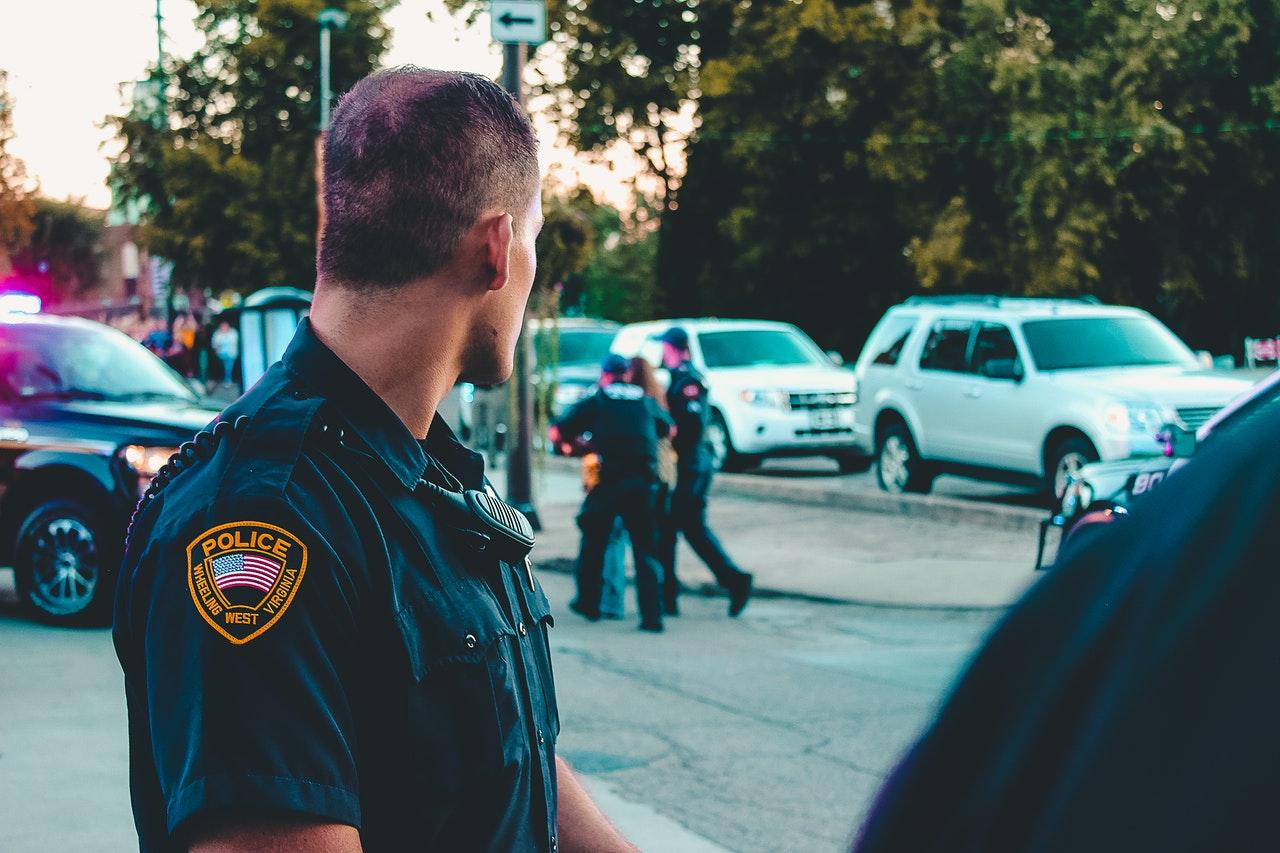
If you’re reading this article, chances are you’re interested in becoming a police officer. This role is a great position to consider. If you’re wondering how to become a police officer, the answer is: You need a High School Diploma or GED. You also need to be a U.S. Citizen. Your record needs to be clean, and you need to be medically and psychologically fit.
Wondering how long it takes to become a police officer? Typically, it takes at least 13 to 19 weeks to complete the Police Academy. You can also expect in-person training during your probation period for about 6 months.
Being a police officer comes with a variety of perks. For example, here are some benefits you would most likely receive as a police officer:
- Increased pay with certifications
- Hazardous duty pay
- Opportunities for promotions
- Overtime (which comes with increased pay)
- Educational scholarships
- Health insurance
- Paid time off
Plus, law enforcement is an excellent field to get into due to the constant demand for more employees. There’s no technology to completely replace police officers, meaning this job will be relevant and important to our society for the foreseeable future, making your job as a police officer viable for the long term.
How Much Does a Police Officer Make?
You’re probably wondering, “What about salary, though?” Salary is obviously an extremely important aspect of any career. Like most industries, salary is very closely linked to location. Each state in the United States has a different average salary for police officers. If you’re comparing first-responder careers more broadly, it also helps to know what firefighters earn.
Keep reading to learn how much you can make as a police officer by state. We’ll go in order of states from highest average police officer salary to lowest average annual salary.
How to Forge a Career in Law Enforcement: A Comprehensive Guide to Federal, State, and Local Opportunities
A career in law enforcement is a demanding yet profoundly rewarding path dedicated to justice, service, and public safety. Whether your goal is to patrol local neighborhoods as a police officer, protect the nation's borders as a Customs and Border Protection (CBP) Officer, or investigate international crime as an FBI Special Agent, the journey requires meticulous preparation and unwavering dedication. You can explore federal law enforcement careers with the FBI directly through the bureau’s official hiring portal.
This comprehensive article synthesizes the common requirements and selection processes across federal, state, and local agencies. We will break down the pathway into five essential themes, explaining why each step is necessary, how to achieve it, and providing concrete examples from various agencies.
Theme 1: Meeting Fundamental Entry Requirements
The first hurdle in any law enforcement career is establishing a baseline of eligibility concerning your age, legal status, and basic credentials. These requirements are non-negotiable and set the stage for the rest of the application process. The Bureau of Labor Statistics outlines the requirements and outlook for police and detectives if you want the full occupational picture.
- Why This Matters: Law enforcement officers possess immense public trust and authority, including the power to make arrests and carry a firearm. Agencies must ensure candidates are legally qualified, mature enough to handle complex situations, and fully authorized to serve in a governmental capacity.
- How to Achieve It: Ensure you are a U.S. citizen (often a requirement for federal and state positions, though some local roles may allow lawful permanent residents who have applied for citizenship). Check the age requirements—local and state police often require applicants to be 21 by the time of appointment, while federal agencies like the FBI often have an age limit (typically under 37, or 36 for the FBI Special Agent role). Finally, maintain a clean driving record and a valid driver's license.
- Example: To become an FBI Special Agent, an applicant must be a U.S. citizen and between 23 and 36 years of age at the time of appointment. Conversely, the Los Angeles Police Department (LAPD) requires candidates to be at least 20 at the time of application and 21 by academy graduation, but has no maximum age limit.
Key Takeaway:
Fundamental requirements set the legal floor for your application. Verify age, citizenship, and driver's license status before investing significant time in the application process.
Theme 2: Education and Specialized Skills
While a high school diploma is the minimum standard for many entry-level law enforcement jobs, higher education and the acquisition of critical skills significantly increase your competitiveness, especially within specialized federal agencies. A four-year degree is typically the baseline for a Federal Law Enforcement Officer role with agencies like the DEA or Secret Service.
- Why This Matters: Modern policing extends far beyond patrol. Officers handle complex investigations (cybercrime, white-collar fraud), require strong critical thinking skills, and must navigate nuanced legal and ethical situations. Education, coupled with specialized experience, demonstrates the mental capacity and specialized knowledge needed for these roles.
- How to Achieve It: Local/State: Aim for an Associate's or Bachelor's degree in Criminal Justice, Criminology, or a related field (e.g., Psychology, Sociology). Federal: A Bachelor's degree is often mandatory. Furthermore, gain 1-2 years of full-time professional work experience, or develop a "critical skill" (e.g., fluency in a foreign language, expertise in IT/Cybersecurity, or accounting). Military experience is also highly valued across all levels.
- Example: To qualify for a Federal Law Enforcement Officer role with the DEA or Secret Service, a four-year degree is typically required. An FBI Special Agent requires a bachelor's degree plus at least two years of professional work experience, or one year of experience if you hold a Master's degree, often prioritizing candidates with skills like forensic accounting or foreign language proficiency.
Key Takeaway:
Treat a Bachelor's degree as the effective minimum standard to be competitive, and cultivate specialized skills or professional experience to unlock federal and advanced career paths.
Theme 3: The Integrity and Vetting Gauntlet
Integrity is the cornerstone of law enforcement. All agencies employ a rigorous, multi-stage vetting process to assess a candidate's moral character, personal responsibility, and ethical conduct.
- Why This Matters: Officers must be truthful, fiscally responsible, and demonstrate sound judgment, as they are entrusted with public safety and sensitive information. A background investigation is the agency’s primary tool for confirming a candidate’s history aligns with the high ethical standards required.
- How to Achieve It: Be completely honest on your application—omissions are often treated as intentional deception and are instantly disqualifying. Avoid felony convictions and misdemeanors related to domestic violence or firearms possession. Prepare for a comprehensive background check that covers financial history (credit score), past employment, academic records, and substance use. You will also likely undergo a polygraph (lie detector) exam and a personal security interview.
- Example: The San Francisco Police Department's background investigation verifies identity, education, employment history, and criminal and credit history. The FBI's Special Agent Selection System (SASS) includes a thorough background investigation, polygraph, drug test, and medical exam to confirm suitability.
Key Takeaway:
Integrity is paramount. Complete and utter honesty throughout the background investigation, coupled with a history of responsible fiscal and legal choices, is the only way to pass the vetting process.
Theme 4: Physical and Written Assessment
Before academy training begins, every applicant — whether aiming for a local Peace Officer role or a federal post — must prove they are mentally and physically capable of handling the demands of the job through standardized testing.
- Why This Matters: Law enforcement requires both intellectual quickness (for critical analysis and report writing) and physical conditioning (for apprehension, self-defense, and prolonged exertion). These tests screen out candidates who lack the foundational cognitive or physical abilities necessary for success in the academy and on the street.
- How to Achieve It: Written Test: Study for exams like the PELLETB (Peace Officer Entry Level Law Enforcement Test Battery) or the NTN FrontLine National Exam, which assess reading comprehension, report writing, and logic-based reasoning. Physical Test: Prepare for the Physical Ability Test (PAT) or Physical Fitness Test (PFT), which typically measure muscular strength (sit-ups, push-ups), aerobic capacity (running), and agility. Many agencies have specific pass/fail standards for these events.
- Example: The San Francisco Police Department requires passing scores on the video-based human relations, reading ability, and written language tests. The FBI PFT requires applicants to pass a four-event assessment (sit-ups, 300-meter sprint, push-ups, and a 1.5-mile run) at specific score levels.
Key Takeaway:
Start preparing early. Physical fitness and cognitive abilities cannot be developed overnight. A passing score on these assessments is a requirement for eligibility.
Theme 5: Academy Training and Field Experience
The final phase involves intensive, specialized training to transform the candidate into a certified officer ready for service. Because POST standards vary, look up your state's peace-officer certification requirements before you apply.
- Why This Matters: Law enforcement is a profession that requires proficiency in specialized areas like firearms, defensive tactics, emergency driving, and complex legal procedures. The academy provides the essential knowledge and practical skills, while field training provides real-world application under supervision.
- How to Achieve It: Training: Successful candidates are either hired and sent to an agency-sponsored academy, or they attend a local basic academy (e.g., POST-certified Regular Basic Course) on their own before applying. Federal officers attend specialized training, such as the Federal Law Enforcement Training Centers (FLETC) or the FBI Academy in Quantico, Virginia. Field Experience: After the academy, every officer completes a Field Training Program (FTO) or a probationary period (often 12-24 months) where they perform duties under the close mentorship of an experienced officer.
- Example: U.S. Customs and Border Protection (CBP) officers attend approximately 19 weeks of training at FLETC. Local Police Recruits in California complete the 664-730 hour Regular Basic Course, focusing on criminal law, patrol procedures, and firearms, before starting their one- to two-year probationary period with the hiring department.
Key Takeaway:
Completion of the basic academy marks the end of the initial training phase, but certification and full officer status are only granted after successful completion of a probationary period or Field Training Program.
Land Your Dream Job With a Great Resume
Success landing any of these positions begins with an outstanding resume. And if you’re still weighing public-safety paths, becoming a firefighter follows a similar vetting pipeline.
Ready to create a resume that lands you in high-paying police officer positions? We can help! Check Rocket Resume's police officer resume generator to get started on your path in law enforcement.
Build your CV with our free CV builder
Pick a template, then build a CV one section at a time.