Becoming a Truck Driver: Navigating the AI World
What truck driving pays in the automation era, averaging $75,000 to $85,000 amid an 80,000-driver shortage, plus updated CDL and ELDT requirements and paths into autonomous fleet coordination.

The landscape of American logistics has shifted. In 2026, the "Robot Driving Revolution" isn't a replacement for human skill; it’s an evolution of it. Trucks are smarter, safer, and more connected, turning the traditional driver into a high-tech fleet commander—a shift reflected in the official task and technology profile for truck drivers maintained by the Department of Labor. Whether you're a veteran or a newcomer, here is the ultimate guide to the trucking industry in the age of automation.
What Does the Role of a Truck Driver Entail?
The Narrative: Imagine sitting in a cockpit surrounded by high-definition displays that track everything from tire pressure to the split-second braking patterns of cars three miles ahead. You aren't just steering a wheel; you are the mission commander of a $250,000 mobile computer.
Why: AI handles the "monotony" of highway miles, but it lacks human intuition. Computers cannot yet navigate a chaotic construction zone or communicate with a dock worker at a warehouse. Humans provide the "Human-in-the-Loop" oversight that prevents system errors from becoming accidents. How: Your day involves balancing mechanical inspections with monitoring Advanced Driver Assistance Systems (ADAS). You use AI-powered route optimization to bypass weather and traffic in real-time. Example: On a long-haul route through Texas, you may engage Level 4 autonomy for 400 miles, but you must take manual control to navigate a high-complexity "transfer hub" or a tight docking bay in an urban center. Key Takeaway: Modern trucking is a hybrid role blending traditional mechanical skill with high-level digital system management.
Can Anyone Become a Truck Driver?
The Narrative: The "driver shortage" of the early 2020s has evolved. Today, there is a "skilled-tech shortage." Companies are no longer just looking for someone with a pulse; they are looking for disciplined professionals who can stay alert while a machine does 80% of the work.
Why: Despite the rise of automation, the U.S. still faces a deficit of over 80,000 professional drivers. The industry needs people who possess the physical skill to drive and the mental capacity to handle high-tech interfaces. How: Success requires "digital literacy." You must be comfortable interacting with remote command centers and troubleshooting automated software. Example: Before jumping in, check the latest industry data to see how regional demand is shifting; "short-haul" regional roles are currently growing faster than traditional long-haul due to the rise of autonomous highway corridors. Key Takeaway: While the career is accessible, your "staying power" depends on your ability to adapt to a rapidly changing technological environment.
How Much Do Truck Drivers Make?
The Narrative: In 2026, the paycheck has caught up to the responsibility. As trucks become more expensive and freight becomes more time-sensitive, the human at the wheel has become the most valuable asset in the supply chain.
Why: The "Tech Premium" is real. Carriers are paying top dollar for drivers who can ensure 100% safety and technical uptime. How: Salaries have risen sharply. While the national average sits between $75,000–$85,000, specialized drivers often see a 20% pay bump for technology certifications or HAZMAT endorsements. Example: A driver in Delaware—a major logistics hub—can earn over $90,000 by specializing in "high-value" or autonomous-assisted freight lanes. Key Takeaway: Trucking remains one of the fastest paths to an upper-middle-class income without a four-year degree.
What Are the Cons of Becoming a Truck Driver?
The Narrative: Even with a robot "co-pilot," the road can be a lonely place. The challenges of 2026 aren't just about white-knuckling a steering wheel in the rain; they are about the mental fatigue of constant surveillance and the isolation of long-distance travel.
Why: Technology hasn't eliminated the physical reality of the job. Logistics remains a 24/7 industry that demands high availability and constant movement. How: Federal "Hours of Service" (HOS) rules are stricter than ever. While AI helps with fatigue, the mental strain of staying "alert" while the truck drives itself can lead to "monitor burnout." Example: You might spend 10 days on the road in a "platoon" (a line of automated trucks), which can feel more isolating than traditional driving because your active engagement with the vehicle is lower. Key Takeaway: The stress of the job has shifted from physical labor to mental monitoring and the ongoing challenge of maintaining a work-life balance.
What Are The Benefits of Becoming a Truck Driver?
The Narrative: Step inside a 2026 sleeper cab and you’ll find a workspace that rivals a luxury apartment. With satellite internet and AI safety nets, the "danger" of the road is at an all-time low, while the sense of freedom remains at an all-time high.
Why: Automation is making the job safer. ADAS features like collision mitigation and lane-keep assist have significantly reduced the "danger" of the profession. How: Modern rigs are "rolling offices" with ergonomic seating, satellite Wi-Fi, and AI co-pilots that handle the "grunt work" of highway navigation. Example: An owner-operator can use the "autopilot" portions of their route to manage their business finances or stay connected with family via high-speed video calls. Key Takeaway: You get the independence of the open road with significantly less physical risk than previous generations.
Do You Need a Degree to Work as a Truck Driver?
The Narrative: In a world where university tuition is skyrocketing, the CDL has become the most valuable "short-form" credential in America. The industry doesn't care about your GPA; it cares about your safety record and your ability to handle a 40-ton machine.
Why: The industry values competency over credentials. In a world of expensive autonomous rigs, carriers care more about your clean MVR (Motor Vehicle Record) than a college degree. How: You need a high school diploma and a CDL. New 2026 FMCSA rules require "Continuous Validation," meaning your digital safety record is checked in real-time for compliance. Example: Instead of a 4-year degree, you spend 6 weeks in a specialized CDL program and immediately enter a field where the starting salary rivals many entry-level corporate jobs. Key Takeaway: It remains the premier "fast-track" career for those who want to start earning high wages immediately. Entry-level training must come from an FMCSA-approved training provider.
What Are the Minimum Requirements for a CDL License?
The Narrative: Getting your license in 2026 is like getting a pilot's license. The testing process has been modernized to include virtual reality simulations and "robot override" training to ensure you are ready for any scenario the AI can't handle.
Why: Safety is the industry's "North Star." As of March 2026, the federal requirements have been updated to emphasize technical aptitude. How: You must pass the ELDT (Entry-Level Driver Training), which now includes simulators that mimic autonomous system failures to ensure you can take over in an emergency. Example: A 21-year-old applicant must pass a "Road Skills Test" that includes demonstrating they can properly calibrate the truck’s LiDAR and camera sensors before departing. Key Takeaway: The CDL is now a "Technical Certification" that proves you can manage both a machine and its software.
What Career Paths Can You Pursue in 2026?
The Narrative: Your CDL isn't just a license to drive a truck; it’s a passport to the entire global supply chain. From the highway to the office, the skills you learn behind the wheel are highly transferable to the new "Remote Logistics" economy.
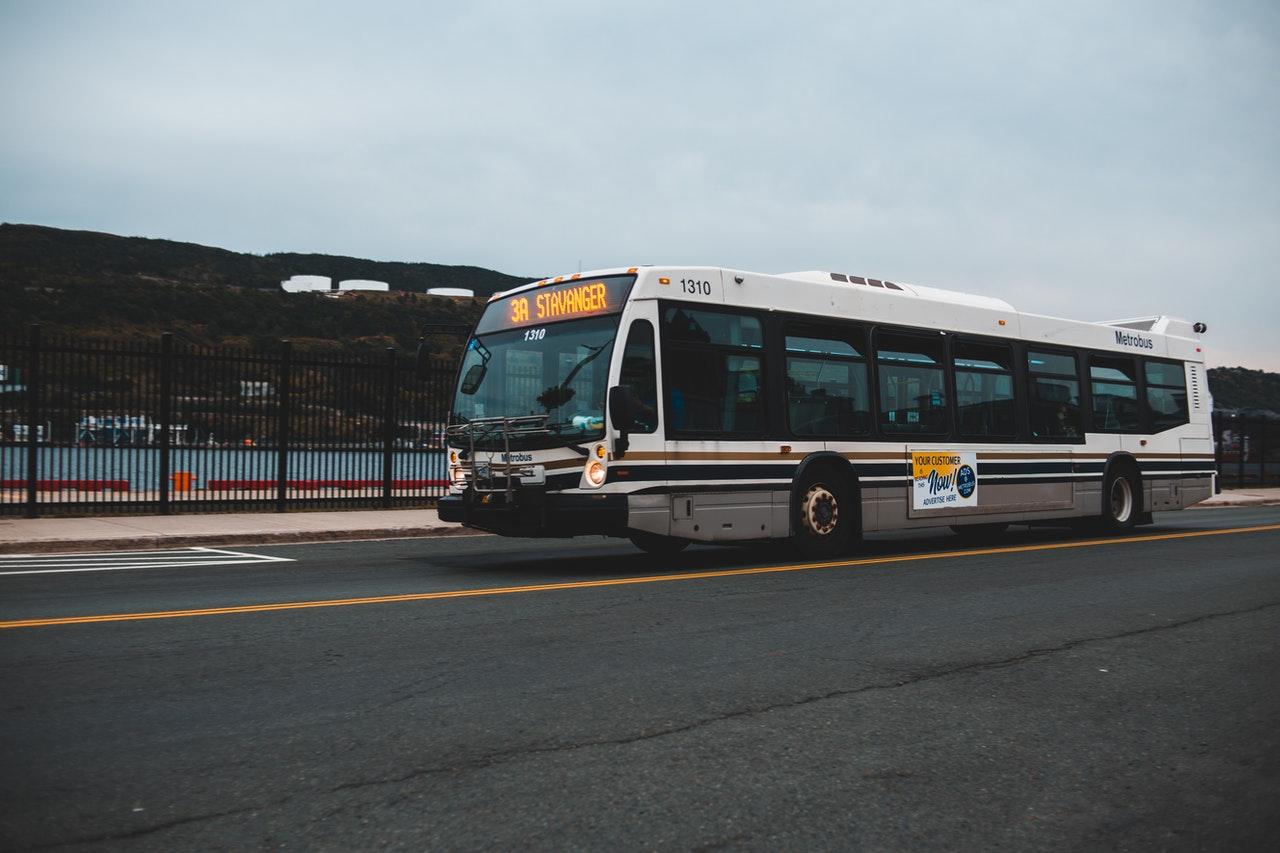
Why: The "Robot Revolution" has created entirely new job categories that didn't exist five years ago. How: You can leverage your CDL to move between "active driving," "local transit," or "remote management" roles. Example: If you want more home time, you can become a bus driver or transition into a role as an Autonomous Fleet Coordinator, earning competitive pay by managing multiple "robot trucks" from a central office. Key Takeaway: Your career path is no longer limited to the cab; you can choose the lifestyle that fits your goals. Drivers stepping off the road entirely also do well moving into trucking dispatch. If local transit appeals to you, check how much bus drivers make before switching.
How to Apply For Truck Driving Jobs
The Narrative: In the 2026 job market, you are being "read" by AI before you ever speak to a human recruiter. If your resume doesn't highlight your technical endorsements and safety data, you are invisible to the top-tier carriers.
Why: Recruiters use AI to scan for "Tech Endorsements." If your resume looks outdated, you’ll be passed over for the high-paying autonomous fleet roles. How: Highlight your experience with ELDs, ADAS, and specific truck brands (like Volvo VNL Autonomous or Tesla Semi). Example: Use a custom truck driver resume to specifically list your "Clean Safety Record" and "Digital Literacy" as core skills. Key Takeaway: A professional, modern resume is your most important tool for securing a premium role in the automated era.
Conclusion: Driving Into the Future
The "Robot Driving Revolution" has not ended the era of the truck driver; it has professionalized it. In 2026, being a driver means being a technician, a safety expert, and a logistics manager all at once. Federal figures on median pay for heavy and tractor-trailer truck drivers show compensation rising alongside those responsibilities. The opportunities for high pay, job security, and career mobility have never been greater—but only for those who present themselves as the modern professionals the industry demands.
Don't let your career get stuck in the past. For a closer look at where the industry is headed, read our guide to truck driver opportunities in the world of autonomous driving. To land the best roles in the autonomous era, you need a resume that speaks the language of 2026.
Ready to start your journey? Visit www.rocket-resume.com today to build a professional, tech-forward truck driver resume in minutes and secure your place in the future of the road.
Browse our resume templates
Pick a design you like, then fill in your resume one section at a time.