How to Become an Esthetician
Steps to an esthetician license, including the 600 training hours most states require, written and practical board exams, the $37,300 average salary, and the medical esthetician track.

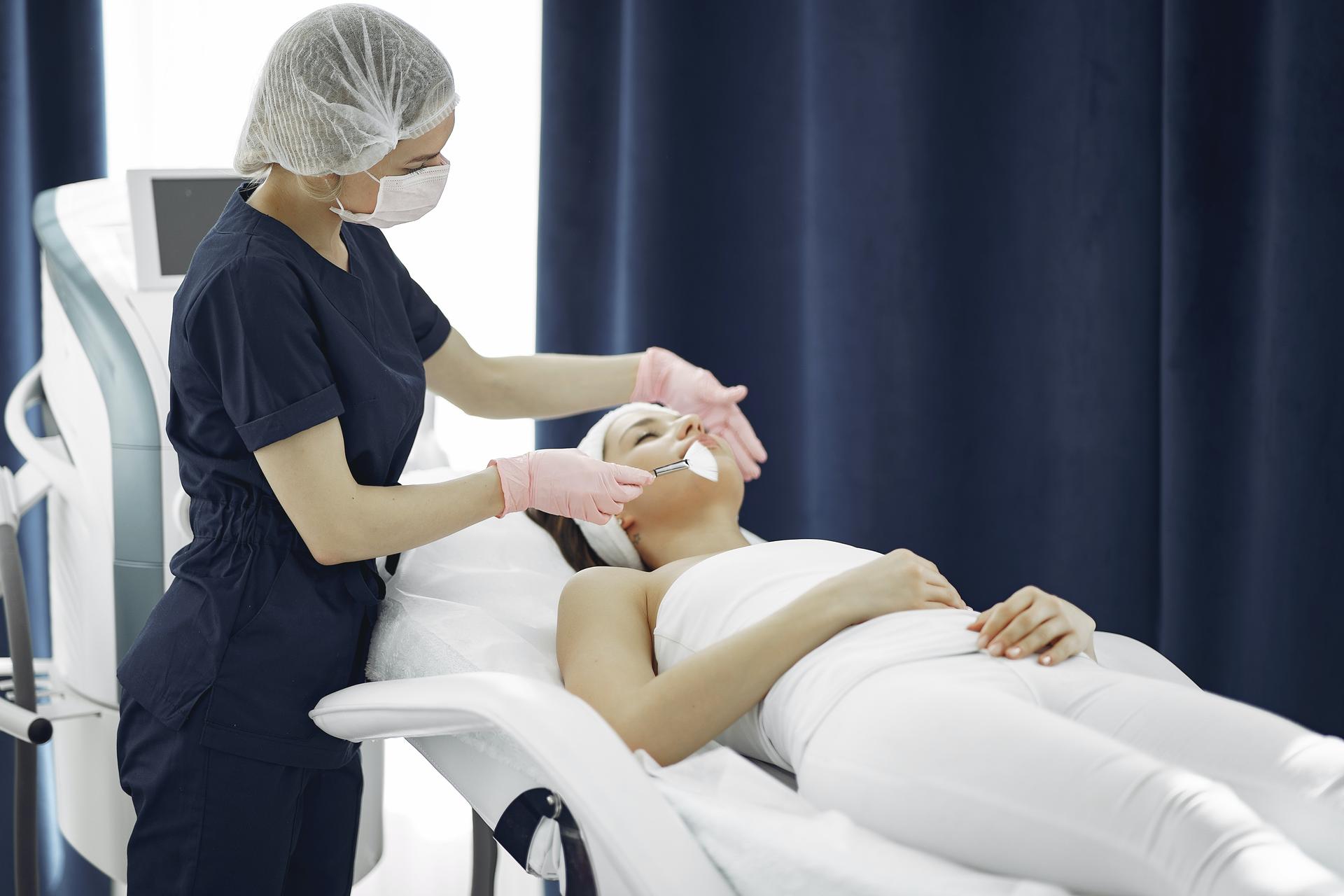
When you train as an esthetician, you enter a rewarding career in which you help boost people’s self-confidence by enhancing their natural beauty. Read on to discover how to become an esthetician, along with salary information and essential job-hunting tips.
The Esthetician Career Path: From Licensed Professional to Clinical Specialist
The field of esthetics offers a dynamic and rewarding career path for individuals passionate about skin health and wellness. Estheticians are licensed professionals who specialize in cosmetic skincare treatments. While the core foundation remains consistent—improving the appearance and vitality of the skin—there are distinct paths, most notably the journey to general licensure and the specialized track of becoming a Medical Esthetician.
Theme 1: The General Esthetician Profession
Why Pursue Esthetics?
The main motivation for pursuing esthetics is the opportunity to directly enhance a client's confidence and overall well-being by helping them achieve healthy, glowing skin. Demand for estheticians is growing rapidly as consumers prioritize personalized skincare and non-invasive treatments.
How an Esthetician Practices
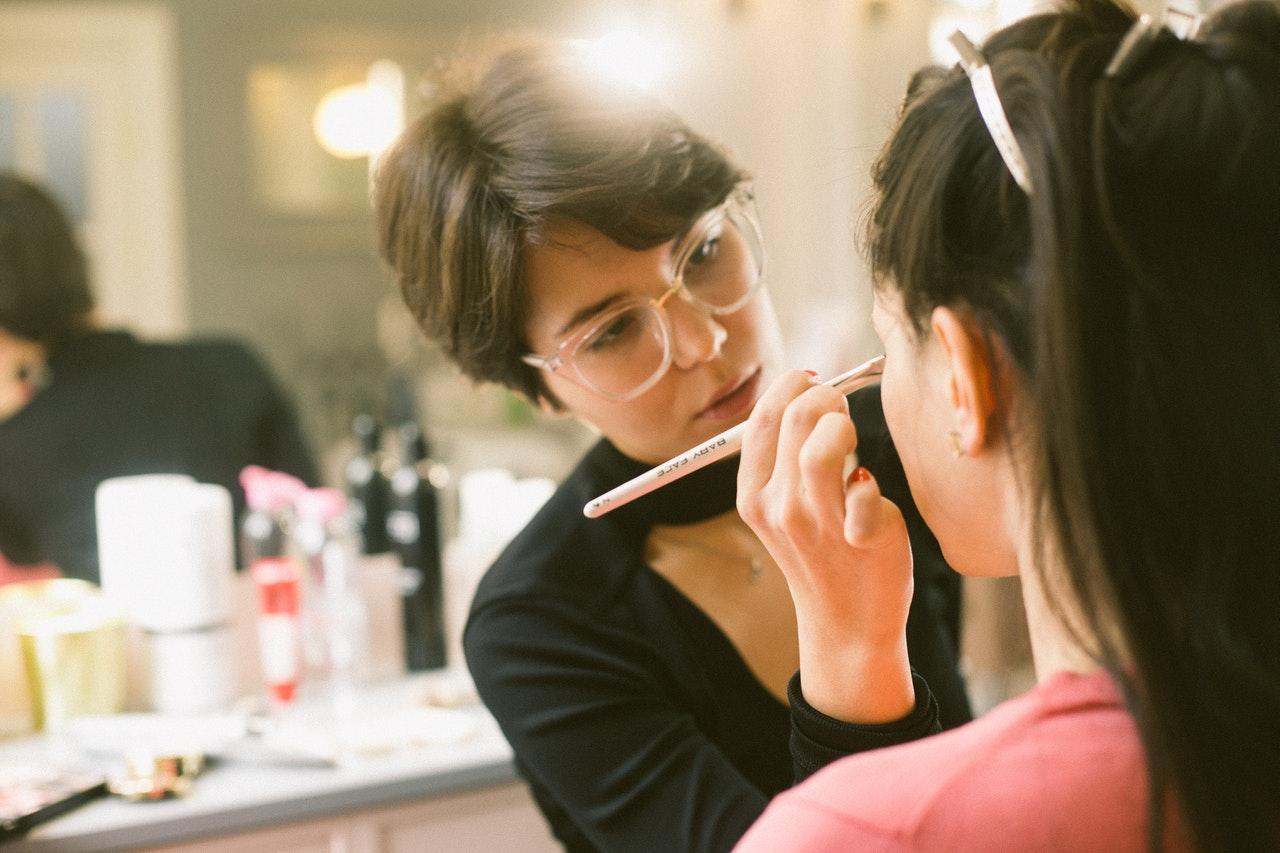
An esthetician practices by conducting non-medical, superficial treatments on the skin. Their scope of practice is strictly cosmetic and preventative; they cannot diagnose skin diseases, prescribe medications, or perform procedures that penetrate the dermis, such as injectables (e.g., Botox or fillers).
Example Services
Common services performed by a licensed esthetician include:
- Customized Facials: Involving cleansing, exfoliation, and targeted masks.
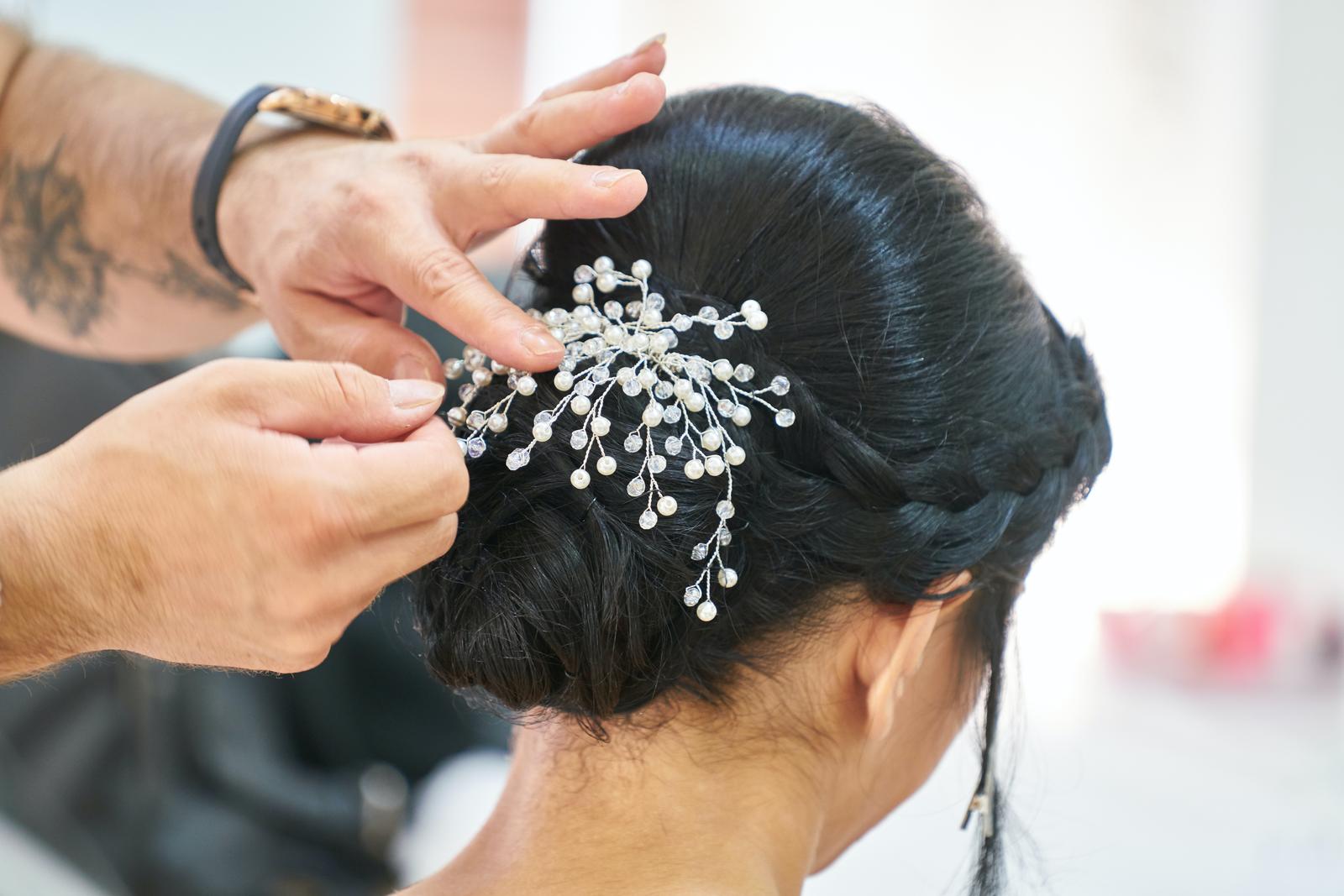
- Hair Removal: Including body and facial waxing, threading, or tweezing.
- Superficial Exfoliation: Such as microdermabrasion or light chemical peels.
Key Takeaway: The General Esthetician
A general esthetician is a licensed skincare specialist whose primary role is to provide cosmetic treatments and client education focused on improving the skin's tone, texture, and overall appearance in non-medical settings like salons and spas. If the broader beauty field appeals to you, becoming a beautician is a closely related path worth comparing.
Theme 2: The Path to Licensure
Why Licensing is Essential
Licensure is a mandatory legal requirement in all 50 U.S. states to ensure public safety. By completing a state-approved program and passing examinations, a professional demonstrates competence in core skills, safety protocols, and sanitation, establishing credibility within the industry.
How to Get Licensed
The path to becoming a licensed esthetician generally follows three steps:
- Complete a Formal Education: Enroll in an accredited esthetics program (usually offered at beauty schools or community colleges) that covers anatomy, skincare techniques, product knowledge, and sanitation.
- Fulfill Required Hours: Complete the requisite number of training hours, which vary widely by state (ranging from approximately 300 to 1,500 hours).
- Pass the State Board Exam: Successfully pass the state board licensing examination, which typically includes both a written (theory) component and a practical (hands-on) component.
Example Training Requirement
A typical esthetics program may require 600 hours of classroom and practical instruction, culminating in supervised hands-on experience before the student is eligible to sit for the state-mandated licensing exams.
Key Takeaway: The Licensing Path
Formal education at a state-approved institution, completing mandatory practical hours, and successfully passing the state board examination are the non-negotiable steps to obtaining professional licensure. The journey is similar if you are researching how to become a cosmetologist, the sibling license in the beauty industry.
Theme 3: Specializing as a Medical Esthetician
Why Choose Medical Esthetics?
Specializing in medical esthetics allows professionals to work in a clinical environment, such as a dermatologist’s office, plastic surgery clinic, or medical spa. This specialization provides the opportunity to work alongside medical doctors and assist patients with advanced skincare needs, including pre- and post-operative care or managing skin affected by specific medical treatments.
How to Become a Medical Esthetician
Becoming a medical esthetician requires first obtaining the general esthetician license (Theme 2). After licensing, the professional must seek additional specialized training and certifications in clinical procedures and advanced devices. Experience in a clinical setting is also vital. This advanced training covers more intensive cosmetic procedures that are performed under the direct supervision of a licensed physician.
Example Clinical Duties
Medical estheticians often perform services like:
- Advanced Peels: Administering medium-depth chemical peels.
- Laser Treatments: Using specialized laser and light-based technology (e.g., for hair removal or resurfacing).
- Clinical Support: Performing scar reduction or complementary skincare for patients undergoing medical treatments.
Key Takeaway: The Medical Specialist
A medical esthetician is a licensed professional who has pursued additional training to specialize in supporting medical practices by providing advanced non-invasive cosmetic treatments in a clinical setting under physician supervision.
Frequently Asked Questions (FAQs)
These questions come up again and again by readers wondering how to become an esthetician
What Does an Esthetician Do?
An esthetician’s resume is varied: estheticians provide facial treatments, skin analysis, chemical peels, hair removal, microdermabrasion, and more.
How to Become an Esthetician
Let’s break down how to become an esthetician step by step. You’ll need to:
- Enroll in a licensed esthetician program or school
- Complete a set number of training hours
- Pass your written and practical exams
- Apply for your license
- Craft your esthetician resume and begin applying for roles
Our esthetician resume templates will help you build a polished and professional resume in minutes, so you can spend your time studying for your exams instead of stressing over job applications.
How Long Does It Take to Become an Esthetician?
In most states, you can become an esthetician in a matter of months. We’ll explore different state requirements in more detail below, so keep reading.
How Long is Esthetician Training?
Esthetician training can be as short as 260 hours or as long as 2,144 hours, with most states requiring around 600 hours of training. You can look up your state’s esthetician licensing requirements to confirm the exact hours where you live.
Even when you’re in training, you should begin building a resume for esthetician students. A resume for esthetician students can highlight your skills and experience.
A Day in the Life of an Esthetician
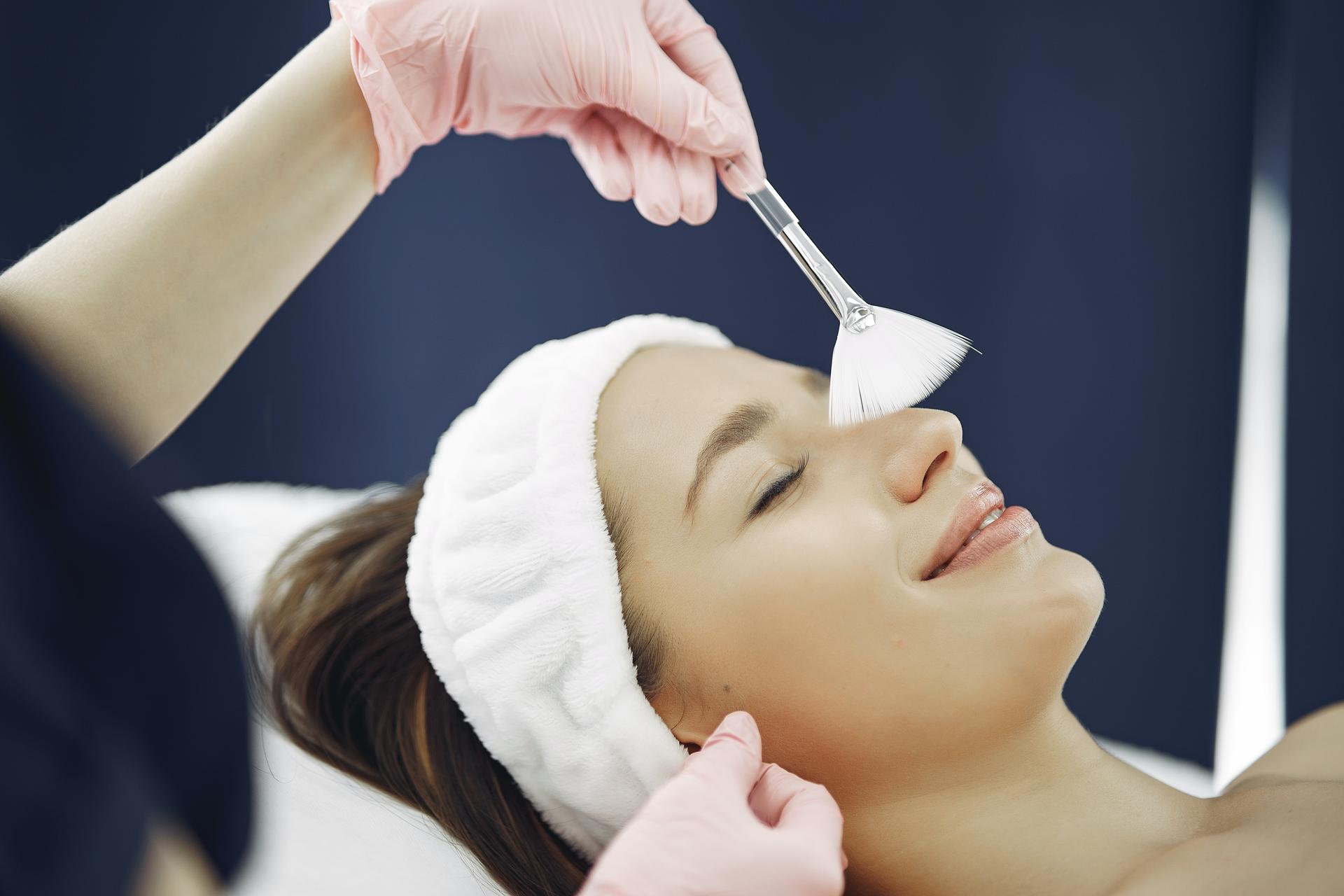
Estheticians spend their days performing skin care treatments in a safe and sanitary manner. They also consult with clients, recommend products, and undergo training.
Esthetician Salary: How Much Does an Esthetician Make?
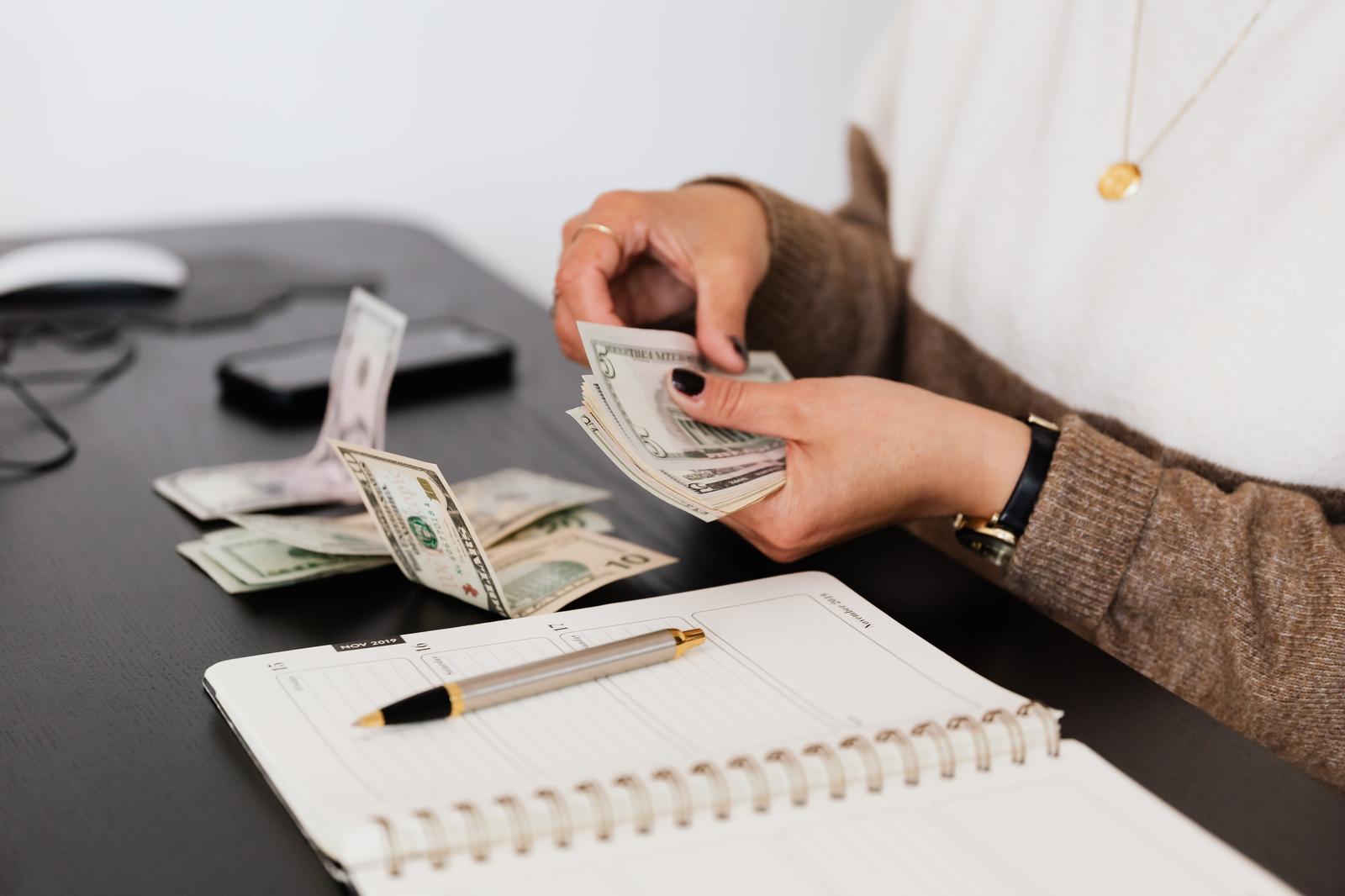
Estheticians average $37,300 per year, according to the Bureau of Labor Statistics (BLS). But several factors can improve your esthetician salary, including your location and specialisms.
A master esthetician salary can be significantly higher than the standard esthetician salary. And no matter your experience level, a polished esthetician resume can help you negotiate higher rates. (Psst! Use our esthetician resume templates to help you write a winning resume.)
How to Apply for Esthetician Jobs
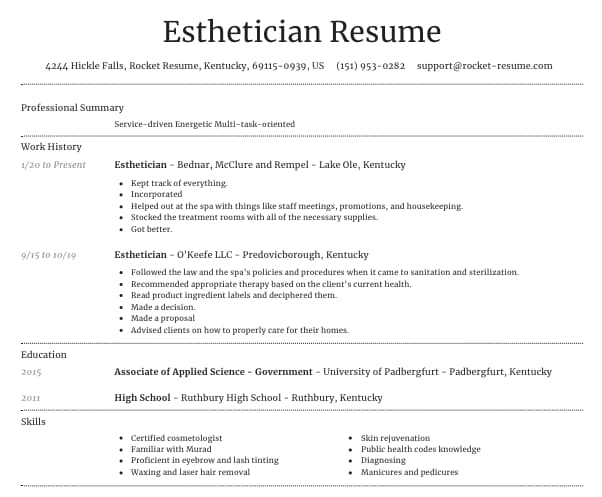
Before applying for roles, take the time to prepare an esthetician resume and cover letter showcasing your qualifications. Your esthetician cover letter should explain your passion for skin care, while your resume needs to demonstrate that you have the skills mentioned in the esthetician job description.
Writing an eye-catching resume can be challenging, so use a template to make sure yours is attractively laid out. Our esthetician resume templates come with recruiter-approved phrasing to help you stand out from other applicants.
.
How Much is Esthetician School?
Esthetician school tuition is normally several thousand dollars, plus you’ll need to pay for textbooks and your state license application.
How to Get an Esthetician License
To get an esthetician license, you need to enroll in an approved training program before sitting practical and written exams. You also have to submit an application form.
What is a Licensed Esthetician?
A licensed esthetician is a trained and certified skin care professional authorized to perform a range of skin care and beauty treatments.
How to Become an Esthetician Online
Your state board will tell you which online training programs are accredited so you can become an esthetician online.
What Can You Do with an Esthetician License?
With an esthetician license, you unlock the door to a range of fulfilling careers, including esthetician, cosmetologist, dermatologist, medical esthetician, trainer, salon owner, make-up artist, make-up salesperson, and beauty writer.
What is a Master Esthetician?
A master esthetician has advanced skin care knowledge thanks to extensive study and training in beauty treatments such as chemical peels, microdermabrasion, and laser therapy. They typically perform more complex skin care procedures.
What Does a Medical Esthetician Do?
Medical estheticians support patients with skin conditions and trauma, in addition to combating signs of aging. They typically work in plastic surgery, dermatology, and medical spas.
Conclusion
The career of an esthetician is founded on professional licensing, which provides the essential knowledge and legal authority to practice cosmetic skincare (Theme 1). This licensing is achieved through mandated education and examination hours (Theme 2). For those seeking an advanced scope of practice, the path extends to specialization as a Medical Esthetician, allowing collaboration with medical professionals in clinical settings (Theme 3). If you are still comparing specializations, our guide on how to become a hairstylist rounds out the picture.
Ready to get started? Build your esthetician resume right now with Rocket Resume.
Make your resume with our resume maker
Pick a template, then make a resume one section at a time.